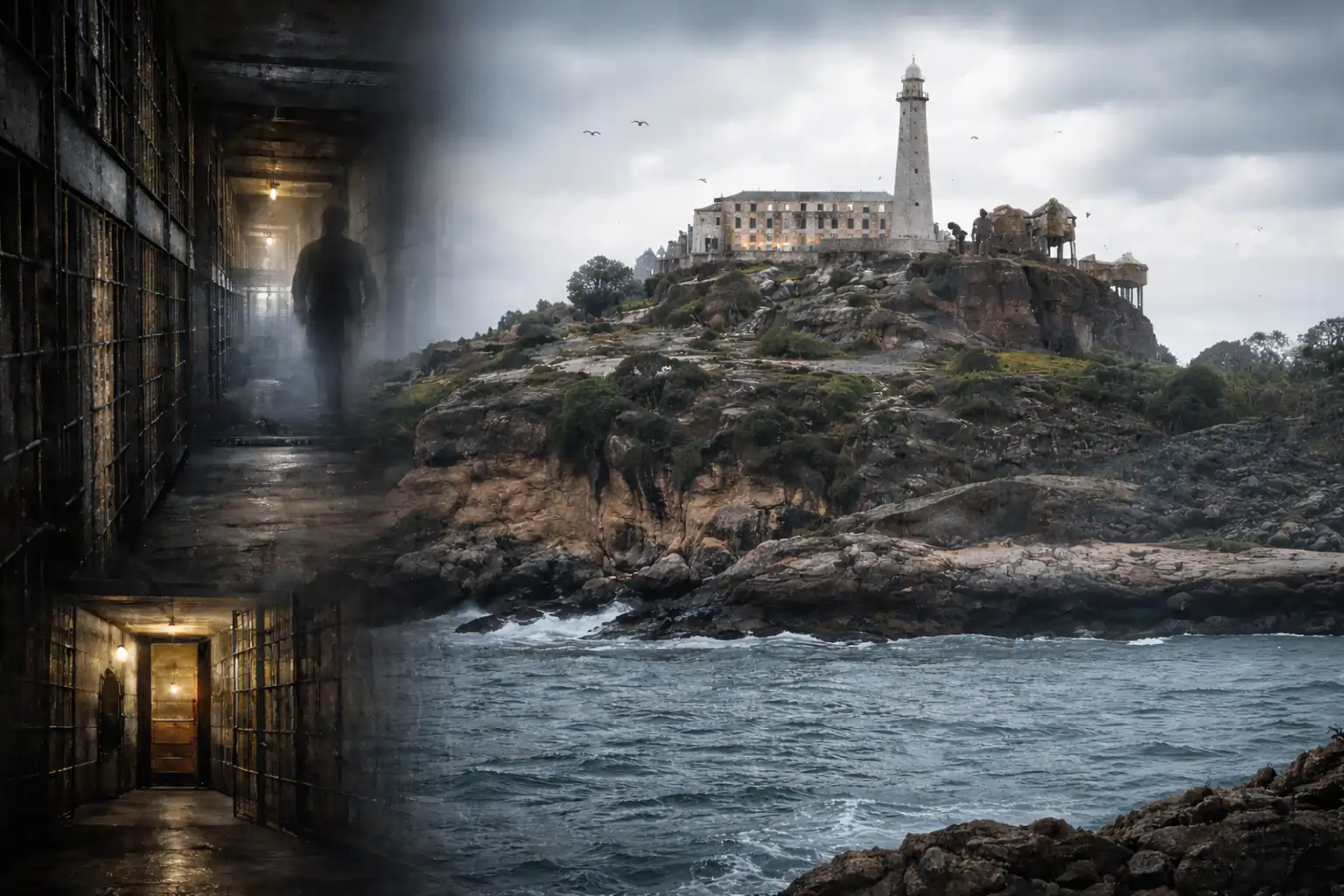
Is Alcatraz Prison Haunted? Stories from The Rock
Alcatraz has always unsettled people. Even during its years as an active federal prison, staff reported experiences they could not explain. Guards who worked the night shift described sounds in empty corridors. Officers assigned to the utility areas talked about cold spots that appeared without any obvious source. The warden himself, according to accounts from staff of the era, refused to enter certain parts of the cellhouse alone after dark.
Since the prison closed in 1963 and the island opened to the public, the reports have continued. Visitors describe feeling watched in the solitary confinement unit. Tour groups report sudden drops in temperature in specific cells. People who have no prior knowledge of the island's most violent history find themselves feeling deeply uneasy in precisely the locations where that violence occurred.
Is it just history? Is it the power of suggestion in an inherently atmospheric place? Or is something else present on Alcatraz after the last ferry leaves and the island falls silent?
The honest answer is that nobody knows. But the stories are consistent, specific, and told by people who were not expecting them. That consistency is worth examining.
Are There Ghosts on Alcatraz?
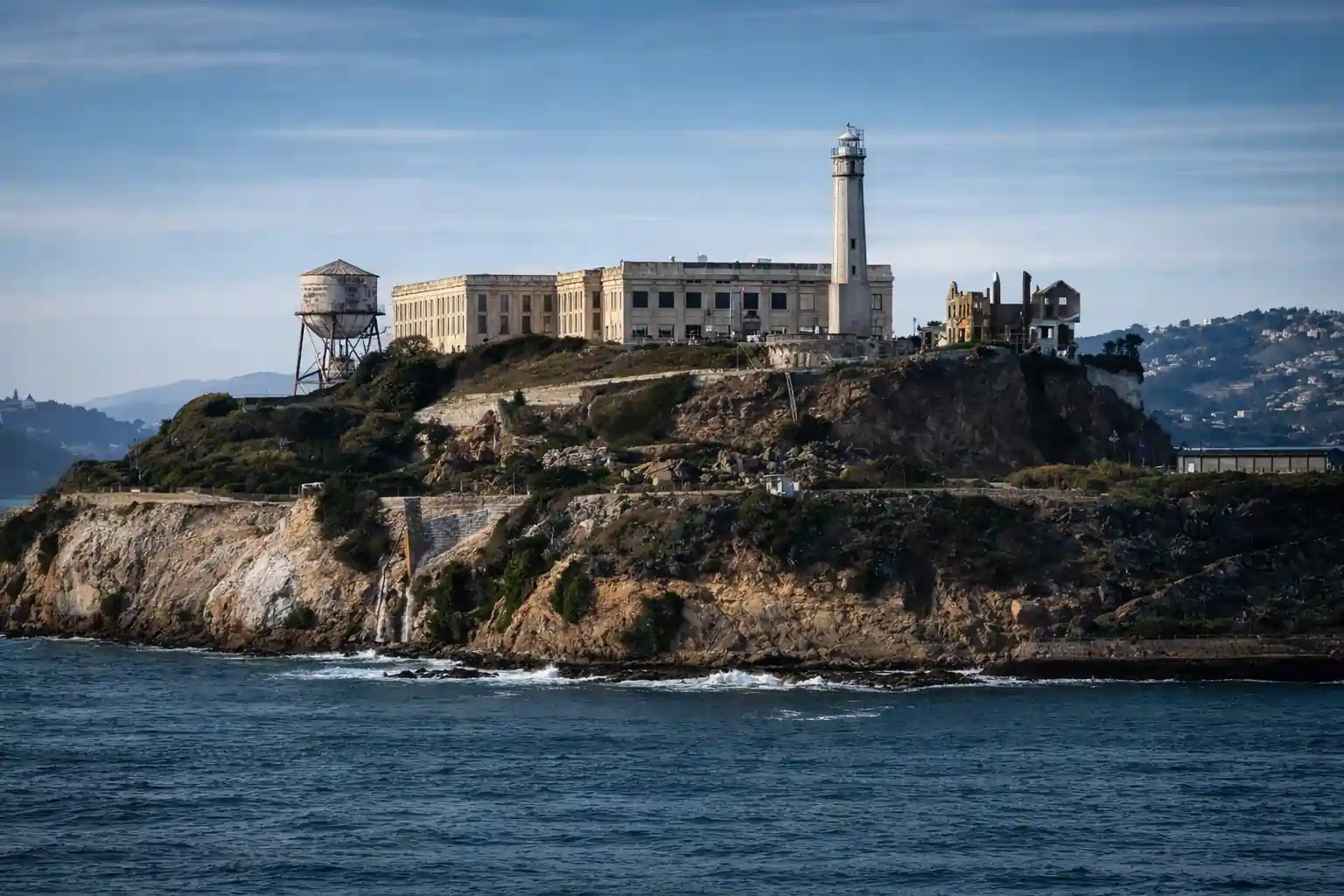
There is no scientific proof that Alcatraz is haunted. However, a significant number of visitors, former staff, and correctional officers have reported unexplained experiences on the island across several decades, including strange sounds in empty areas, sudden cold spots in specific cells, unexplained smells, and a persistent sense of being watched in the solitary confinement unit.
These reports are consistent enough in their details and locations to have established Alcatraz as one of the most widely recognized haunted locations in the United States, regardless of how those experiences are ultimately explained.
Why Alcatraz Feels So Haunted
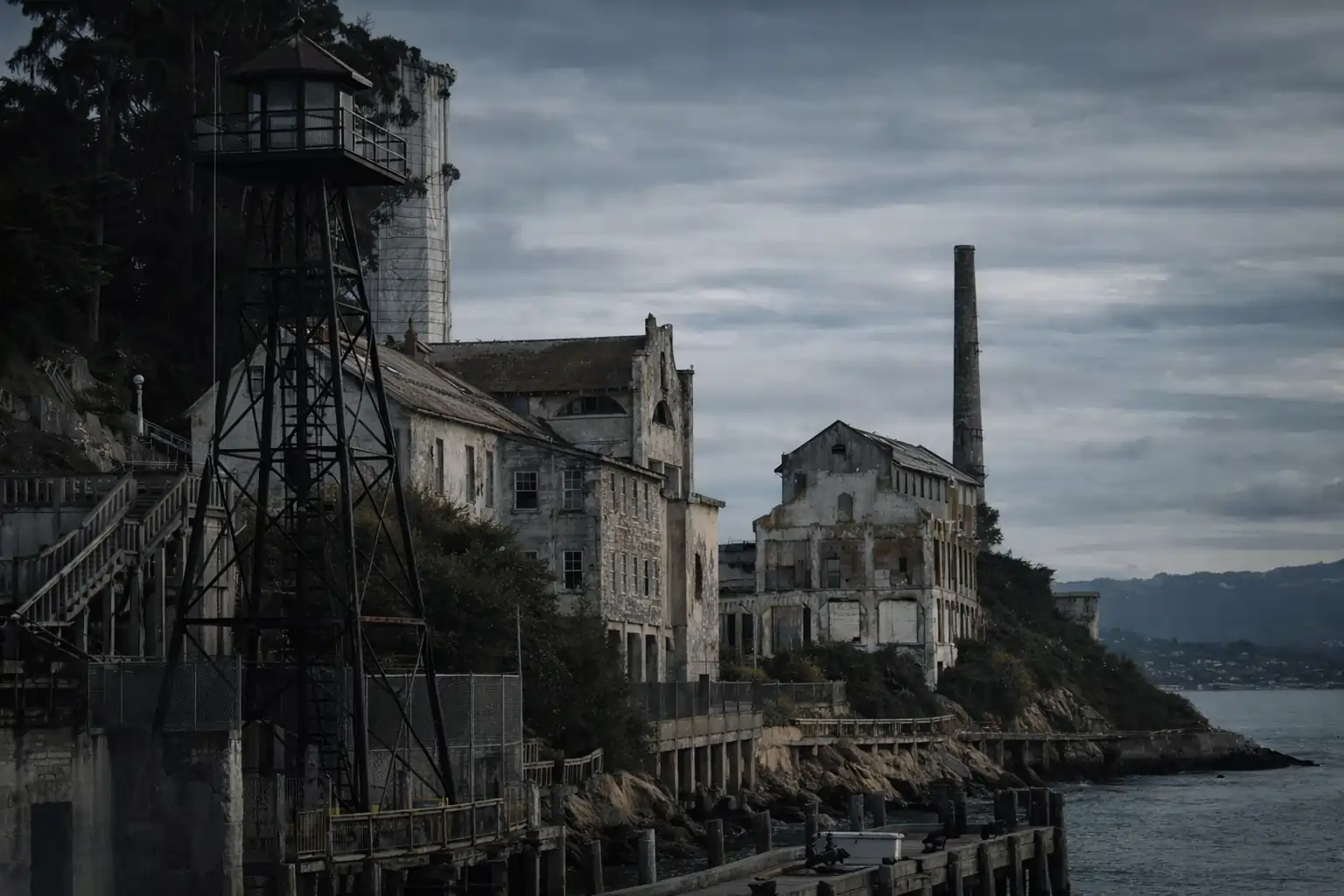
Before examining the specific stories, it is worth understanding why Alcatraz produces these experiences in the first place, whether their origin is paranormal, psychological, or simply the natural consequence of spending time in a place with this particular history.
The conditions at Alcatraz were deliberately designed to be psychologically destabilizing. Total isolation, enforced silence, minimal sensory stimulation, and the constant awareness of confinement in a small space with no visible horizon are the kinds of conditions that affect the human mind in measurable ways. The men held here were not simply imprisoned. They were subjected to a system of psychological control that had documented effects on mental health, behavior, and emotional stability.
Violence and Recorded Deaths
The violence the island witnessed adds another layer. The Battle of Alcatraz in 1946, in which five people were killed during a two-day armed confrontation, is the most dramatic example, but deaths from other causes, including violence between inmates, escape attempts, and the natural mortality of a long-term prison population, occurred throughout the facility's operation. People died in these rooms, in these corridors, in these cells.
The Physical Environment and Atmosphere
The physical environment amplifies everything. The cellhouse is cold, damp, and acoustically unusual. The thick concrete walls and metal structures create echoes and sound reflections that can make an empty corridor sound occupied. The bay wind creates sounds in the building's aging structure that have no obvious source. Visitors arrive already primed by the island's reputation, and the genuine atmospheric weight of the place does the rest.
Why the Experience Feels Real
Whether what people experience at Alcatraz is paranormal or psychological, the result is the same. The island produces a quality of unease that is unlike almost anywhere else most people will ever visit.
The Most Famous Ghost Stories from Alcatraz
The ghost stories associated with Alcatraz are not vague or generalized. They are specific to particular locations within the prison, and they have been reported consistently by people who often had no prior knowledge of those locations' histories.
Cell 14D: The Most Haunted Cell on the Island
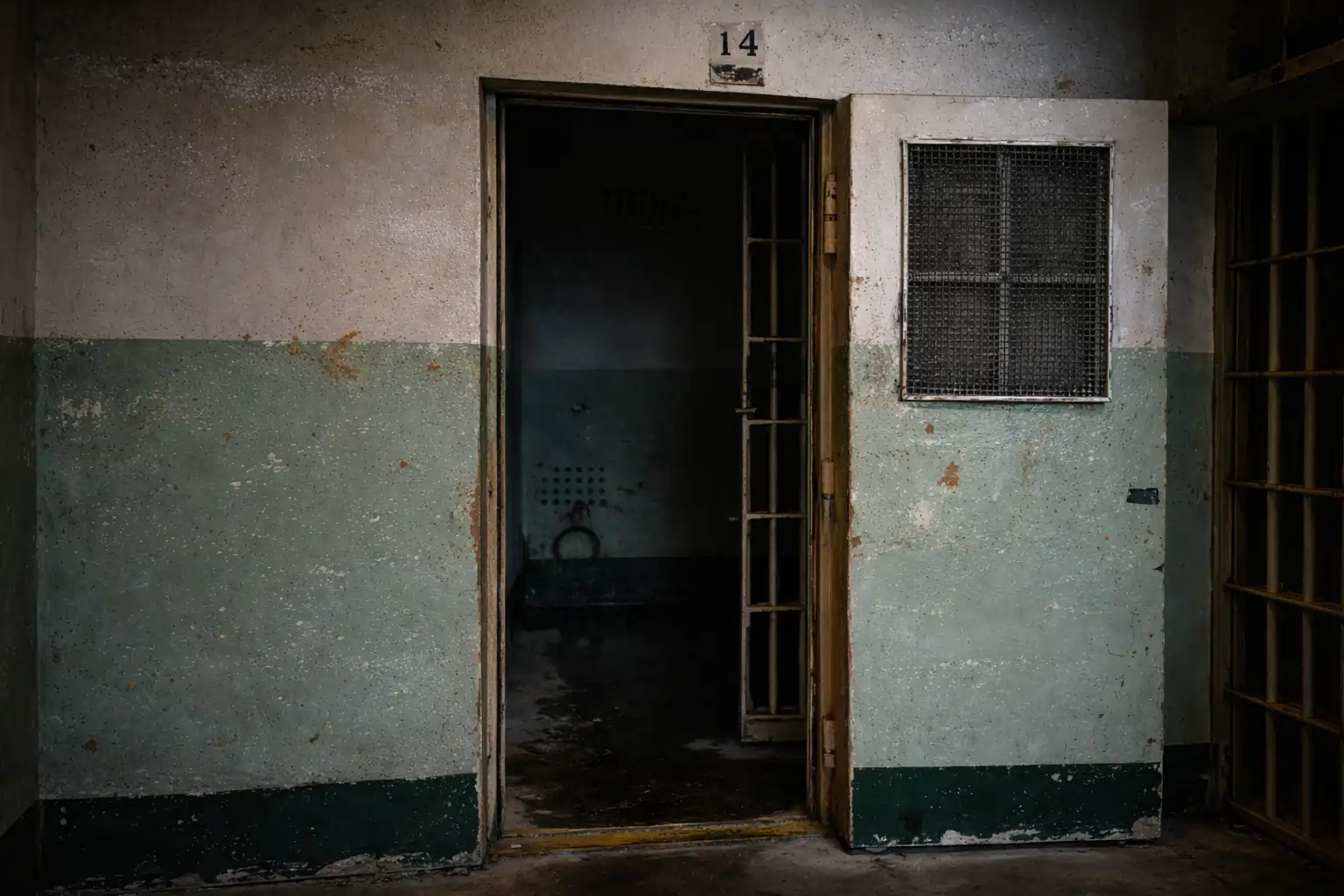
The solitary confinement unit in D Block is the location most consistently associated with paranormal reports at Alcatraz, and Cell 14D in particular has accumulated a body of accounts that is difficult to dismiss as a coincidence.
During the prison's operation, solitary confinement was the most severe punishment available to prison administrators short of physical violence. Inmates placed in the hole, as D Block cells were known, were held in near-total darkness with minimal food, no human contact, and nothing to occupy their minds. The psychological damage inflicted by extended stays in solitary was documented and acknowledged even by prison staff.
One of the most frequently cited accounts involves an inmate who was placed in Cell 14D in the 1940s and spent the night screaming that something was in the cell with him, something with glowing eyes in the darkness. Guards reportedly dismissed the claims as the behavior of a disturbed inmate. The following morning, the man was found dead. The official cause was determined to be self-inflicted, but the circumstances were considered unusual enough to be discussed among staff for years afterward.
Visitors today consistently report that Cell 14D feels different from the surrounding cells. A cold that does not match the ambient temperature of the block, a sense of pressure or presence, and, in some cases, a feeling of acute anxiety that dissipates immediately upon leaving the cell. Park rangers working the island have noted informally that Cell 14D generates more visitor comments than any other location in the cellhouse.
The Warden's House
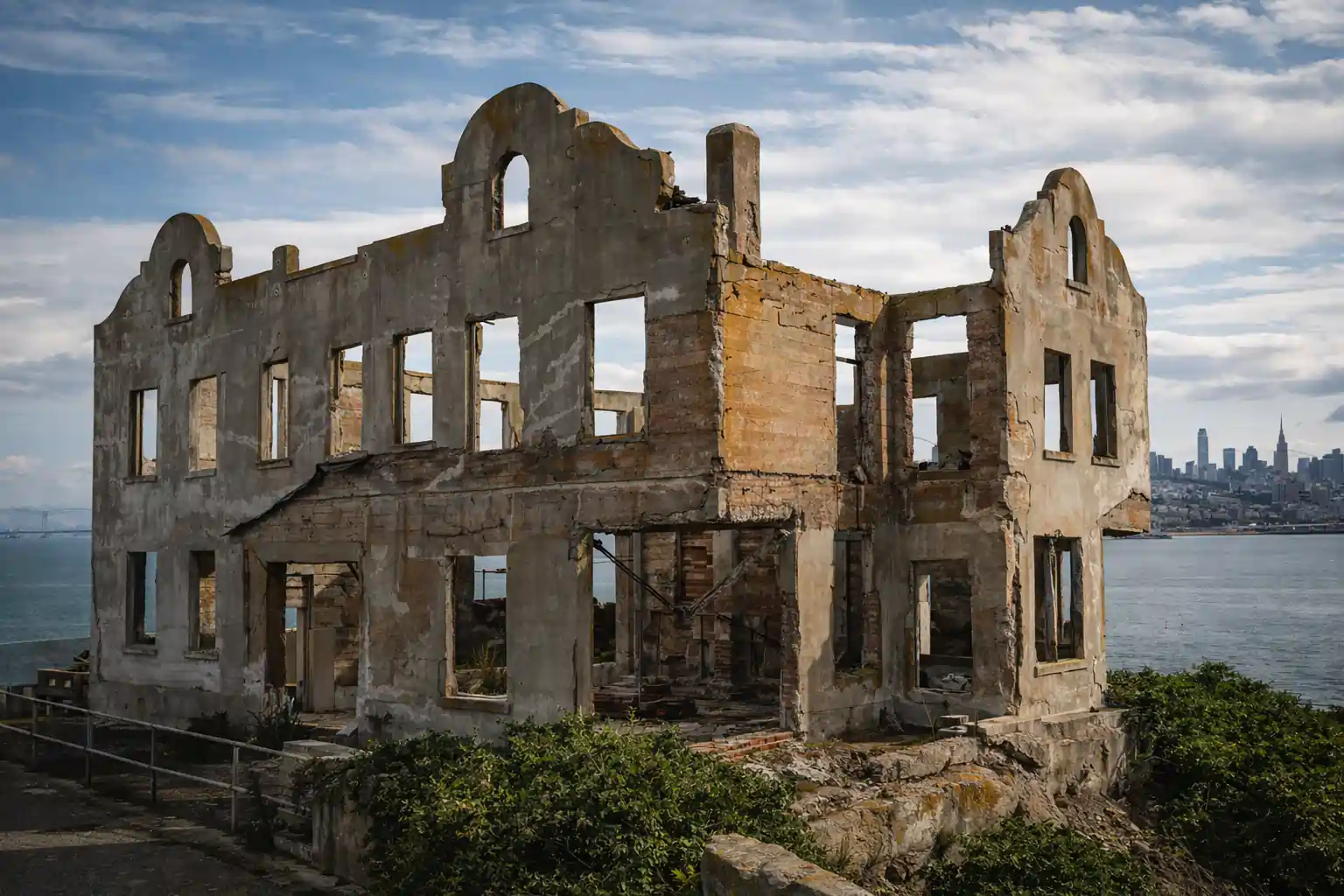
The warden's residence sat above the main cellhouse and commanded a view across the bay that was, by any measure, one of the finest in San Francisco. It burned during the Native American occupation of the island between 1969 and 1971 and now stands as a roofless ruin open to the sky.
Reports from the period after the island opened to the public describe strange sounds emanating from the ruin, particularly after dark. Visitors describe hearing what sounds like voices inside the empty walls, and the smell of smoke has been reported in the ruin on days when there is no possible source for it. Rangers who have worked the island long-term tend to discuss the warden's house with a particular kind of careful neutrality, neither dismissing the reports nor confirming them.
The symbolism of the location adds to its atmosphere. The warden's house was the seat of authority on the island, the place from which the system of total control was administered. Its destruction during the occupation and its current state of open ruin gives it a quality of reversal and abandonment that the more preserved sections of the cellhouse do not carry.
The Cellhouse Corridors
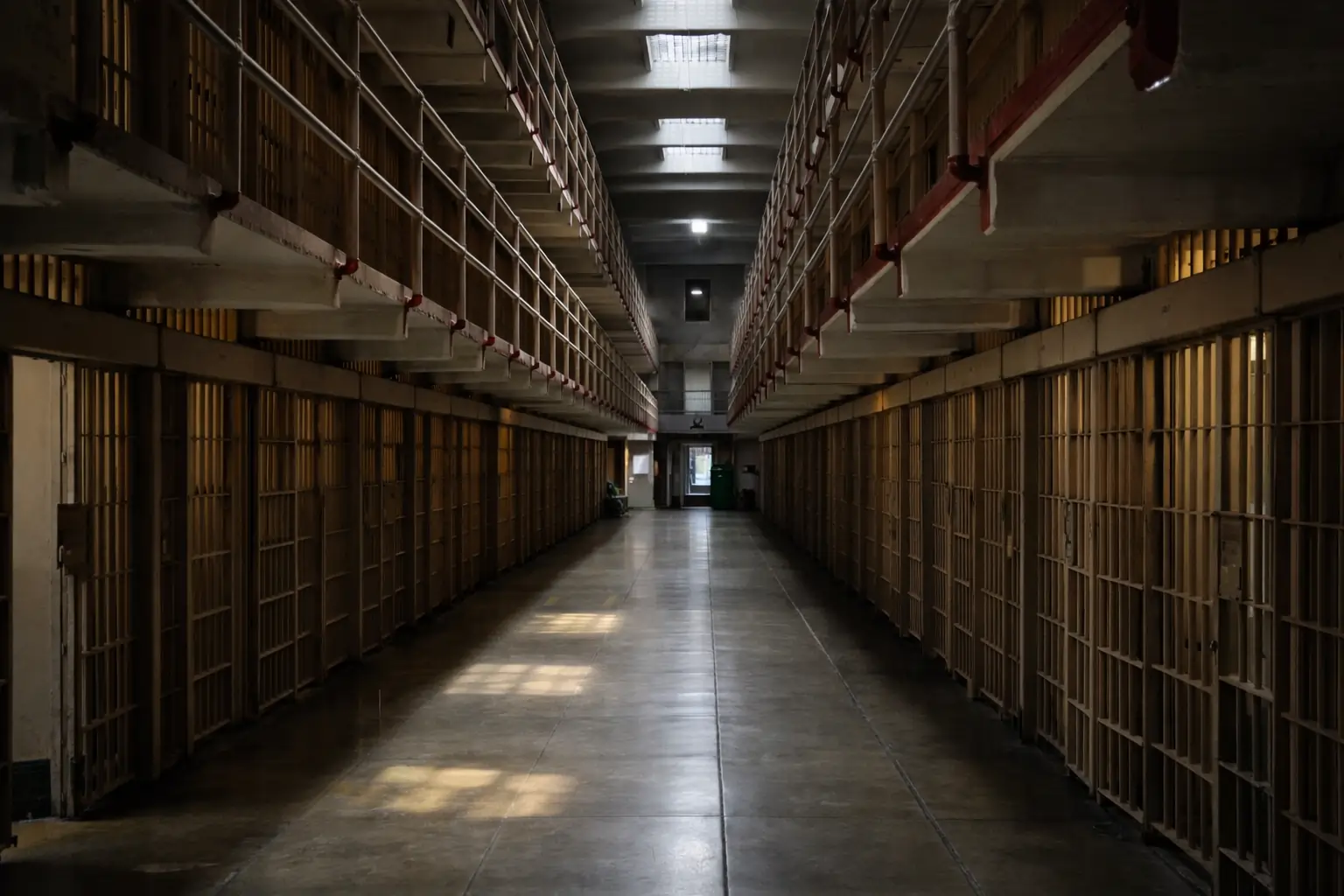
The main cell block corridors, particularly the area around A Block and the utility areas behind the cells, generate a consistent category of report from visitors. Footsteps heard when no one is walking. Voices just below the threshold of intelligibility coming from areas confirmed to be empty. The sound of cell doors moving when no doors are moving.
Some of these experiences have straightforward acoustic explanations. The cellhouse is a large, reverberant concrete and metal structure, and sound behaves in it in ways that can be genuinely disorienting. A sound generated at one end of the building can arrive at another point from a direction that makes no architectural sense. Footsteps from a floor above can seem to come from beside you.
But the specificity of some reports is harder to dismiss entirely. Multiple visitors on separate occasions, with no contact with each other, have reported hearing what sounds like banjo music in the area of the cellhouse where Al Capone was housed. Capone played banjo in the prison band, the Rock Islande and practiced regularly in his cell. The reports of banjo music at Alcatraz predate widespread public knowledge of that fact, which makes the coincidence an interesting one.
Real Events That Inspired the Ghost Stories
The ghost stories of Alcatraz did not emerge from nothing. They grew from a documented history of violence, psychological extremity, and human suffering that gives the reported experiences a grounding in real events.
The Battle of Alcatraz in 1946 left five people dead inside the cellhouse walls. Two correctional officers were shot by inmates while locked in cells as hostages. Three inmates were killed by grenades and gunfire in the utility corridor behind C Block. The physical spaces where those deaths occurred are accessible to visitors today, and a significant proportion of the unexplained experiences reported in the cellhouse cluster around the areas connected to the 1946 confrontation.
The documented psychological effects of long-term solitary confinement on inmates housed in D Block created a category of human suffering in that unit that was acknowledged by prison administrators and medical staff during the facility's operation. The men held in the hole for extended periods exhibited behaviors and reported experiences that were consistent with severe psychological distress, and some of those accounts entered the informal oral history of the prison staff and eventually the public record.
The deaths that occurred throughout the prison's 29-year operation, from violence, illness, escape attempts, and the natural mortality of an aging prison population, created a cumulative human history that the physical building absorbed in the way that buildings absorb history. Whether that absorption produces anything measurable or paranormal is a question that cannot be answered with current tools. But the events themselves are real, documented, and present in the spaces where visitors now walk.
How to Experience This During Your Visit
Visitors to Alcatraz Island can better feel its eerie atmosphere by paying attention to the environment, not just the history.
Inside the cellhouse, notice how sound echoes through the corridors and how certain areas, especially solitary confinement, feel colder and more intense. The narrow walkways and concrete structure naturally create a sense of unease, something you’ll clearly observe during a day tour.
From the exercise yard, the view of San Francisco adds a striking psychological contrast, so close, yet completely out of reach.
For a deeper layer of exploration, some visitors opt for behind-the-scenes access, where quieter or restricted sections reveal more of the island’s hidden character.
A night tour offers the most immersive experience, as fewer crowds and darker surroundings amplify the island’s unsettling atmosphere.
Final Thought
Alcatraz Island is a place where history doesn’t just sit quietly in the past, it lingers in the walls, the cells, and the silence. Whether the stories of unexplained sounds and shadowy presences are rooted in psychology, environment, or something beyond explanation, the feeling they leave behind is undeniably real.
In the end, Alcatraz doesn’t need ghosts to be unsettling, its history alone is enough. But it’s that thin line between fact and mystery that keeps people questioning long after they’ve left the island.
Frequently Asked Questions
Is the Alcatraz Night Tour actually different from the Day Tour or just the same tour at night?▾
Which tour sells out faster, the Day Tour or Night Tour?▾
Can you see the Golden Gate Bridge on both tours?▾
Is the Alcatraz Night Tour suitable for kids?▾
Do both tours include the same areas of Alcatraz Island?▾
Is there a difference in ferry experience between day and night tours?▾
Which tour is better if I have limited time in San Francisco?▾
Can I switch from a Day Tour to a Night Tour after booking?▾
Is the Night Tour less crowded than the Day Tour?▾
Should I do both the Day Tour and Night Tour?▾
Adrian Davis
Published on Alcatraz Tickets