Harlem to Alcatraz: The Untold Story of Bumpy Johnson's Time on The Rock
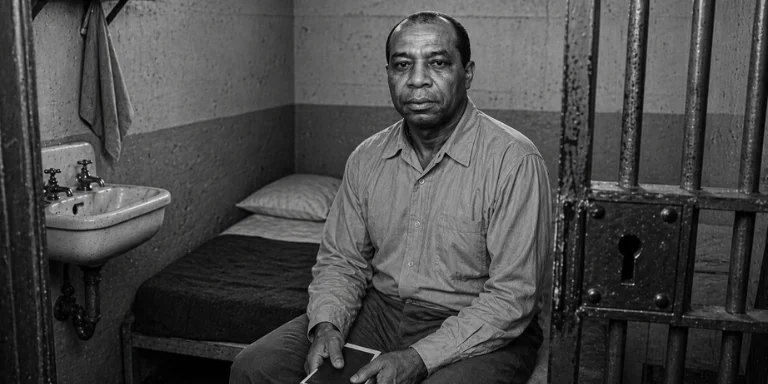
Just like other inmates of Alcatrz like Al Capone or Frank Morris a inmate from Harlem Bumpy Johnson who arrived on the island in 1952 as inmate number 1117.
How did Harlem's most powerful underworld figure end up on America's most isolated prison island? The answer runs through segregation-era New York, the federal war on narcotics, and a criminal career so deeply woven into Harlem that even a decade on Alcatraz could not fully sever it.
Ellsworth Raymond "Bumpy" Johnson is not the most famous name associated with The Rock. But his story reveals a dimension of Alcatraz's history that most visitors never encounter.
Bumpy Johnson at Alcatraz?
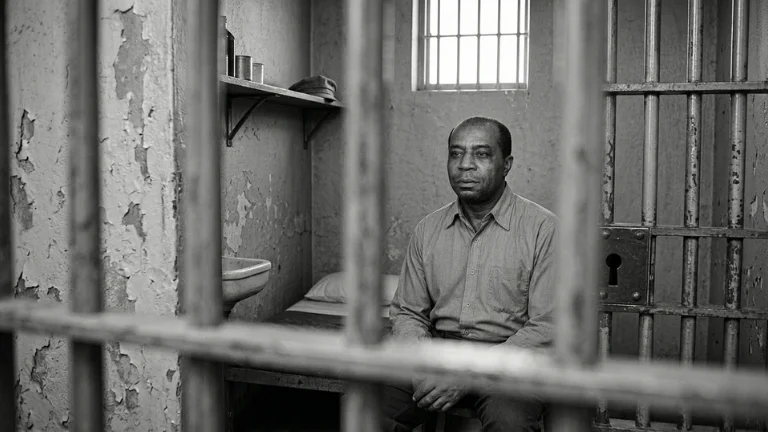
Yes. Ellsworth "Bumpy" Johnson came to Alcatraz in 1952, at the height of his reign as the so-called Godfather of Harlem, after being sentenced to a 15-year stint for a drug conspiracy conviction.
He served the majority of that sentence at Alcatraz Prison in San Francisco Bay as inmate number 1117 and was released in 1963 on parole.
Who Was Bumpy Johnson?
Ellsworth Raymond "Bumpy" Johnson was born in Charleston, South Carolina on October 31, 1905. His nickname came from a bump on the back of his head.
As a child, his family sent him north following a serious incident involving his brother. By 1919 he was living with his sister in Harlem, where he dropped out of school and entered street life.
He wasn't just a gangster. He was a poet, a chess player, and a man who understood the power of community, often described as someone equally comfortable quoting Shakespeare as he was negotiating with mobsters.
He was the main Harlem associate of Charles "Lucky" Luciano and, later, of what would become known as the Genovese crime family.
He built his operation through street credibility, strategic thinking, and a reputation for both generosity and controlled authority. As Mayme Johnson described, “If you wanted to do anything in Harlem, you’d better stop and see Bumpy.”
By the early 1950s, he was at the peak of his influence and firmly in the crosshairs of federal law enforcement.
Why He Was Sent to Alcatraz
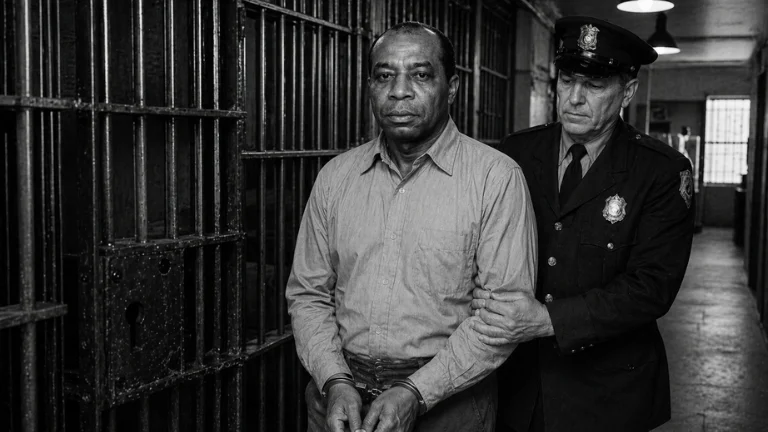
In 1951, Johnson received his longest sentence: a 15-year term for selling heroin that eventually saw him sent to Alcatraz.
The conviction was part of a federal effort to dismantle heroin networks in major American cities. Johnson was not a street-level dealer. He was the organizational hub through which a significant portion of Harlem's narcotics trade moved.
Because of his high profile, influence, and refusal to cooperate with authorities, he was sent to Alcatraz.
The choice was deliberate. Alcatraz was reserved for inmates whose influence was considered dangerous even from behind bars. A mainland facility risked allowing his connections to keep operating.
Harlem kingpin Ellsworth "Bumpy" Johnson served most of his heroin trafficking sentence at Alcatraz from 1952 to 1963.
He was 46 years old when he arrived, now subject to the same rules and the same cells as every other inmate on the island.
Life on Alcatraz: What Happened to Bumpy Johnson
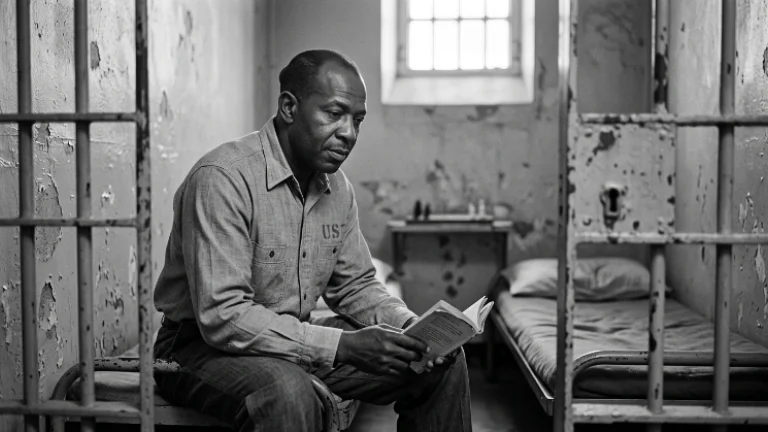
The transition from running Harlem to being inmate 1117 was as stark a reversal as the federal system could produce.
His reputation, network, and authority meant nothing inside the cellhouse. The prison's system of total control was built to make prior identity irrelevant.
Accounts from the period describe Johnson as composed and unhurried. The patience and intelligence that built his empire served him in an environment that punished impulsiveness and rewarded discipline.
The Harlem Godfather was eight years into his prison sentence when on June 11, 1962, Frank Morris and Clarence and John Anglin made what is considered the only successful escape from the institution.
Some suspect that Johnson had something to do with the infamous escape. Unconfirmed reports allege that he used his mob connections to help the escapees secure a boat to San Francisco.
These claims remain unverified. No evidence has confirmed his involvement. But the story confirms that even after nearly a decade on the island, people believed him capable of organizing something from within the most secure federal prison in the country.
He served nearly a decade on Alcatraz before being released in 1963, just months before the prison closed permanently.
What Makes His Story Different
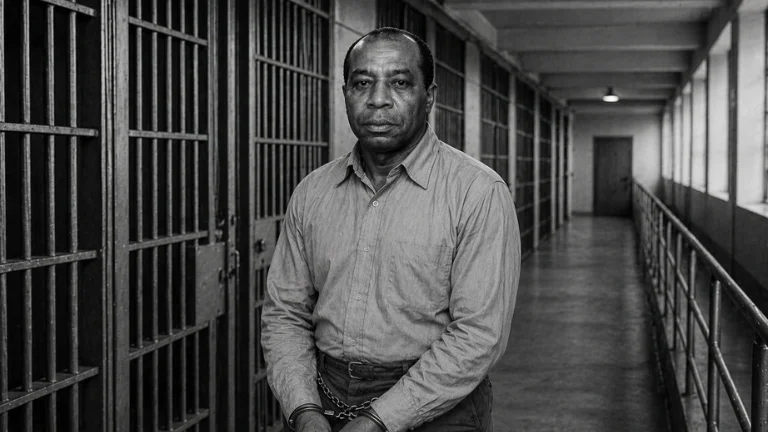
Most famous Alcatraz inmates are remembered purely through their crimes. Bumpy Johnson's story carries a different weight entirely.
He operated in a world shaped by racial segregation and economic exclusion. The choices he made were criminal. They were also made within a context that most accounts of his life do not fully acknowledge.
Johnson was not simply a crime boss. He distributed food and money to Harlem residents during hard times. He maintained a street-level order in the neighborhood that formal law enforcement largely refused to provide.
That complexity separates him from most names in the Alcatraz record. He was sent to the island not just because of what he had done, but because of what he represented. His influence over a community and his refusal to cooperate made him worth the expense of the most isolated prison in the country.
His story is less documented than those of his white counterparts in the Alcatraz record. That gap is itself part of the history worth acknowledging.
His Return to Harlem and Final Years
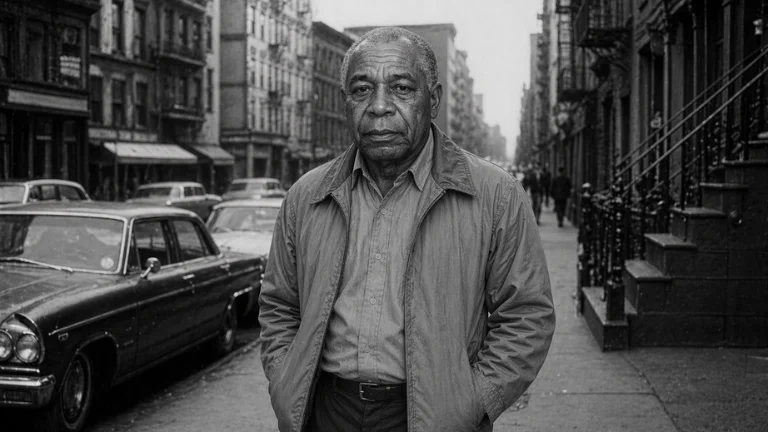
Johnson was released from Alcatraz in 1963, the same year the prison closed permanently. He was 57 years old.
He returned to Harlem and found a neighborhood that had changed significantly during his decade away. The heroin epidemic had deepened, the civil rights movement was reshaping the political landscape, and the organized crime structures he had navigated were under increasing federal pressure.
After his release, Johnson attempted to go straight, working as a consultant and trying to distance himself from his criminal past.
The attempt was complicated by the reality of who he was. His name still carried authority in Harlem. That authority did not disappear simply because he had served his time.
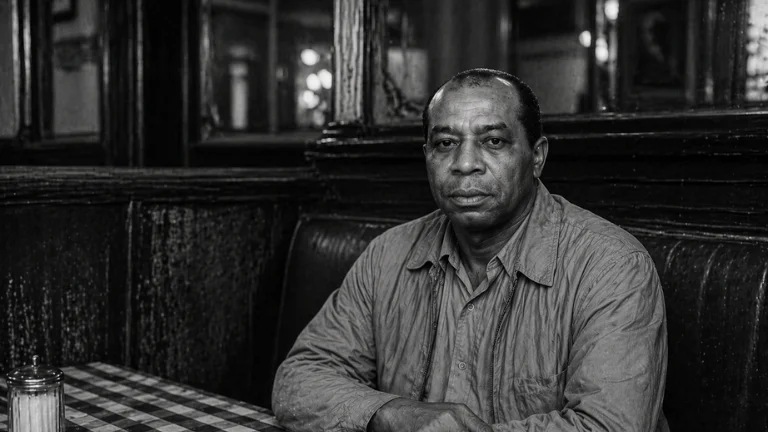
Johnson died on July 7, 1968, from congestive heart failure while having coffee with friends at a restaurant in Harlem. He was 62 years old.
He died in Harlem, among people who knew him, at a table rather than in a cell. For a man who spent nearly a decade on an island designed to isolate and diminish, that ending carried its own significance.
Cultural Legacy: Bumpy Johnson Beyond the Prison Record
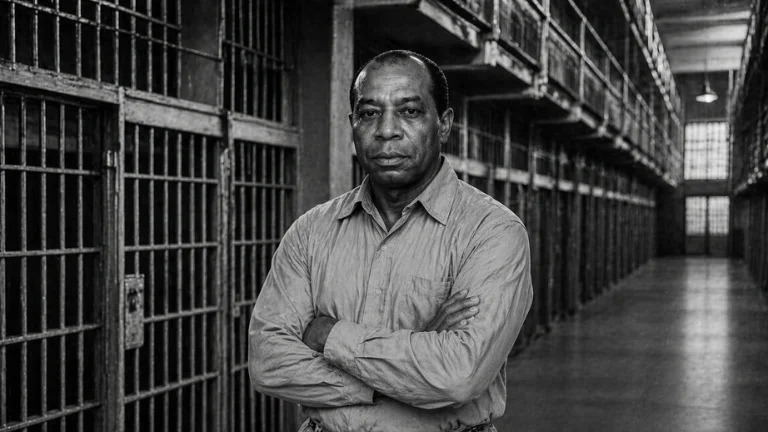
Johnson's life has attracted significant attention in American popular culture, particularly as filmmakers sought to tell stories the historical record underserved.
He is best known today through the television series Godfather of Harlem, which dramatizes his return to Harlem after Alcatraz. The series uses his story to examine race, power, and organized crime in 1960s New York.
He also appears in the film American Gangster. His relationship with Frank Lucas, the man who eventually succeeded him, is depicted as a formative criminal influence.
These portrayals introduced Johnson to audiences who would never have encountered him through historical records alone. They have also simplified a story that is considerably more layered than any single film can contain.
What they share is a recognition that Johnson was not simply a criminal. He was a product of a specific time, place, and social structure. His story illuminates aspects of mid-20th century American life that conventional histories leave in the margins.
Timeline: Bumpy Johnson and Alcatraz
1905 — Born in Charleston, South Carolina on October 31.
1919 — Arrives in Harlem. Drops out of school and enters street life.
1930s — Rises through Harlem's criminal networks. Becomes the primary Black associate of Lucky Luciano and the Genovese crime family.
1951 — Convicted on federal narcotics charges. Sentenced to 15 years.
1952 — Transferred to Alcatraz Federal Penitentiary as inmate number 1117. Arrives at age 46.
1962 — Frank Morris and the Anglin brothers carry out the most famous escape in Alcatraz history. Unverified accounts suggest Johnson may have played a supporting role.
1963 — Released from Alcatraz on parole. Returns to Harlem. The federal penitentiary closed permanently the same year.
1968 — Dies of congestive heart failure on July 7 at a Harlem restaurant. He was 62 years old.
Did You Know? Facts About Bumpy Johnson
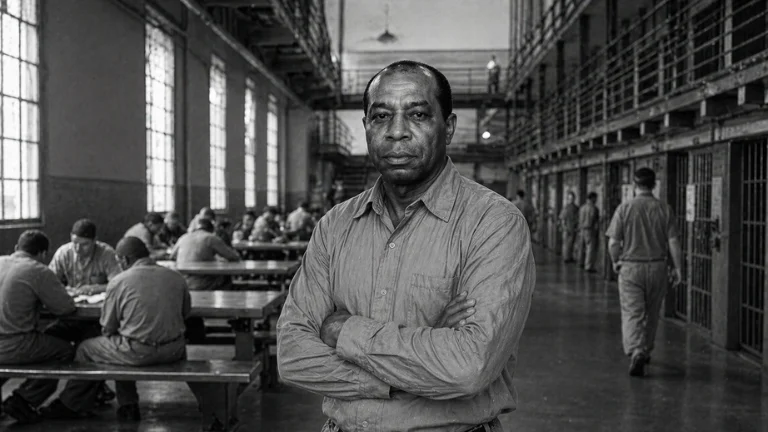
Johnson wrote poetry during his years at Alcatraz. He maintained an intellectual life that surprised many who encountered him only through his criminal reputation.
He was arrested more than 40 times during his career. He successfully avoided conviction on the majority of charges, reflecting both strong legal representation and the difficulty of finding witnesses willing to testify against him.
His friendship with Billie Holiday was well documented and genuine. Johnson moved through Harlem's cultural world as naturally as its criminal one.
His wife Mayme Johnson wrote a memoir about their life together. It remains one of the most detailed firsthand accounts of Johnson's character available.
Johnson reportedly refused multiple opportunities to cooperate with federal investigators in exchange for reduced sentences. His refusal was understood by those who knew him as a matter of personal code rather than strategy.
Alcatraz Today Show The Shadow Of Past
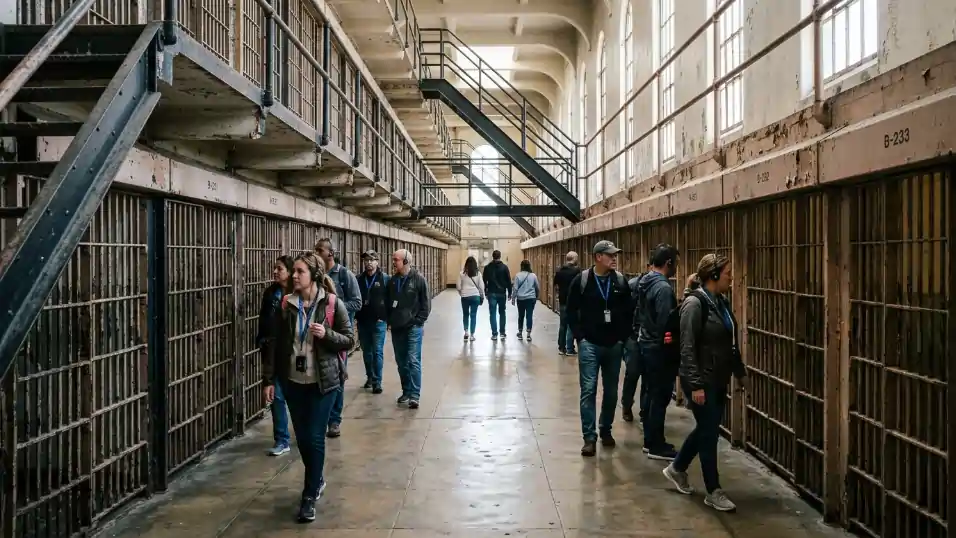
Alcatraz today looks much as it did when Johnson was inmate 1117. The cellhouse has been preserved rks where Johnson served his sentence still stand. The corridors he walked are the same corridors visitors move through today.
You can explore these stories during a day visit, the cellhouse shows this most clearly. The uniform rows of cells, the controlled movement, and the visibility of every inmate reflect a system where reputation held no value, something that defined Johnson’s time on the island.
A behind-the-scenes visit provides a closer look at how that control was maintained in practice, through restricted areas and operational spaces that reveal how little autonomy inmates actually had.
A night visit changes the context without changing the structure. With fewer people and less activity, the same spaces feel more contained, making it easier to understand the isolation and psychological pressure that shaped daily life for inmates like Johnson.
The Untold Story of The Rock
Alcatraz holds many stories. Some are famous and have been told thousands of times. Others sit in the margins, less documented but no less significant.
Bumpy Johnson's time on The Rock connects the island's history to Harlem, to the civil rights era, and to the human complexity that institutional records rarely capture.
He arrived as a man defined by influence. He left as a man trying to rebuild a life in a Harlem that had moved on without him.
Walking the cellhouse today, knowing Johnson walked those same corridors for nearly a decade, adds a layer the standard tour does not provide. The island rewards visitors who arrive knowing more than the obvious history.
Book your visit, do the research, and arrive ready to look beyond the famous names. The most interesting stories at Alcatraz are often the ones that take the most effort to find.
Frequently Asked Questions
Was Bumpy Johnson really at Alcatraz? ▾
Why was Bumpy Johnson sent to Alcatraz specifically? ▾
How long did Bumpy Johnson spend at Alcatraz? ▾
Did Bumpy Johnson have anything to do with the 1962 escape? ▾
What was Bumpy Johnson known for beyond his criminal record? ▾
What happened to Bumpy Johnson after Alcatraz? ▾
Has Bumpy Johnson been depicted in film or television? ▾
What cell did Bumpy Johnson occupy at Alcatraz? ▾
Is Bumpy Johnson's story covered on the Alcatraz tour? ▾
How does his story compare to other famous Alcatraz inmates? ▾
Amelia Carter
Published on Alcatraz Tickets