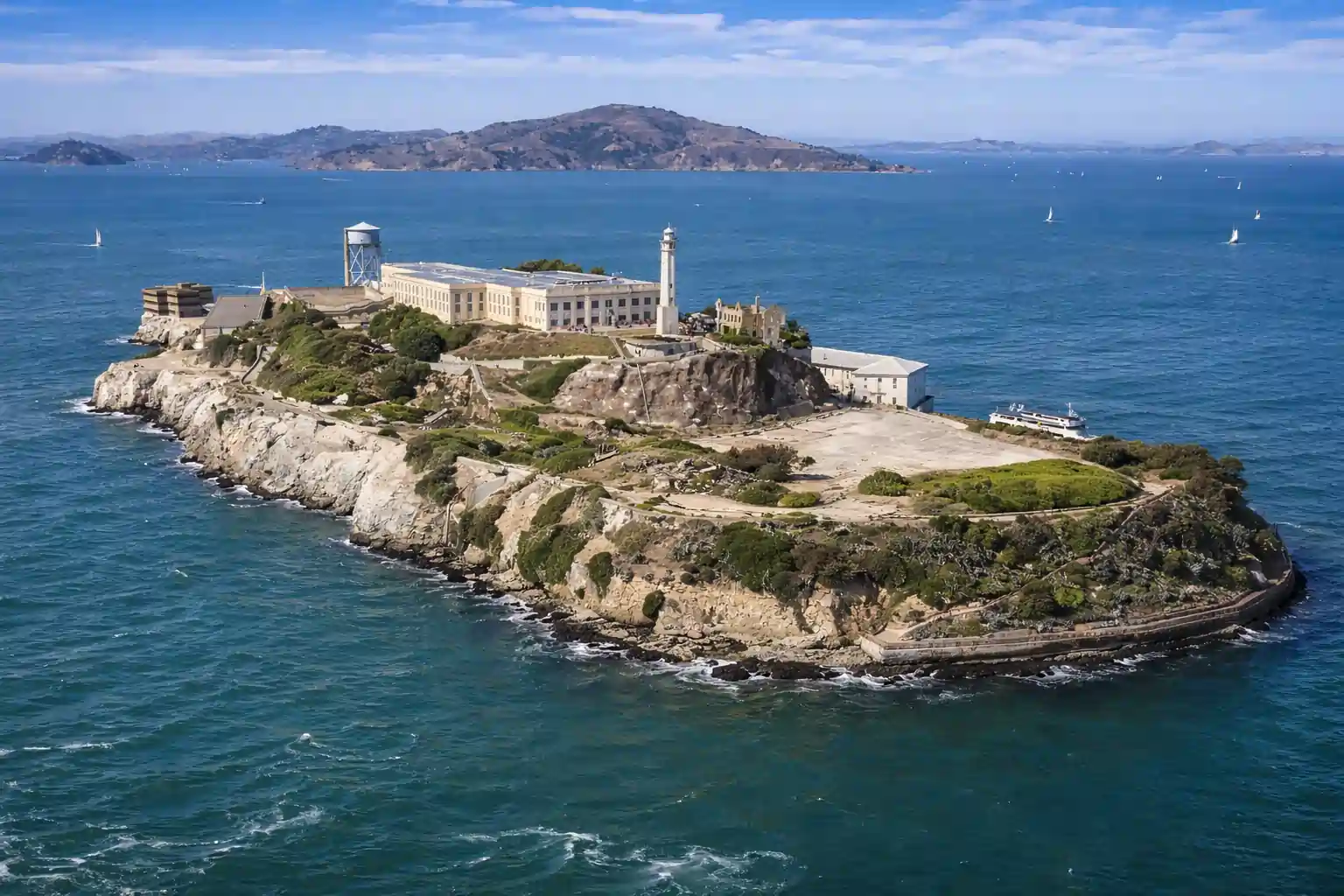
Alcatraz's Most Notorious Prisoners: 9 Infamous Inmates Who Lived on The Rock
Inside America's Most Infamous Prison
These are the men who made Alcatraz legendary.From 1934 to 1963, the federal penitentiary on Alcatraz Island housed the most dangerous, most disruptive, and most high-profile criminals in the United States.
It was not a prison you were sent to for your first offense. Alcatraz was the end of the line, reserved for men who had proven unmanageable at other federal facilities, escape risks, organized crime figures whose influence stretched beyond prison walls, and violent offenders who required the strictest possible containment.
The men on this list arrived from different worlds and different crimes. What they shared was a reputation significant enough to warrant transfer to the most secure prison in the country, and a story compelling enough that people are still talking about them more than sixty years after the last inmate left the island.
1. Al Capone – Scarface
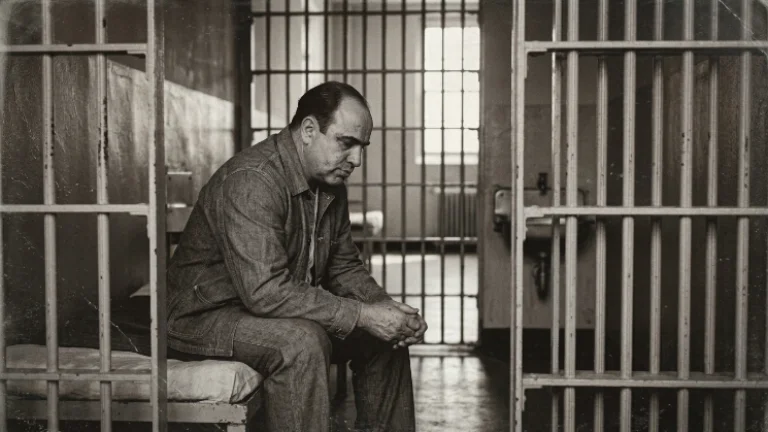
Alphonse Gabriel Capone was born on January 17, 1899, in Brooklyn, New York, to Italian immigrant parents. He dropped out of school at fourteen after striking a teacher and fell in with street gangs in Brooklyn, eventually coming under the influence of veteran gangster Johnny Torrio.
A knife fight in his late teens left him with two facial scars running along his left cheek, earning him the nickname Scarface, a name he reportedly despised and refused to acknowledge in public. By his late twenties he had relocated to Chicago and built the most powerful criminal organization in the country, controlling bootlegging, gambling, and prostitution networks worth millions annually.
Capone arrived at Alcatraz in 1934 after it became clear he was running his operation from his cell at Atlanta Federal Penitentiary, bribing guards and receiving preferential treatment that made his imprisonment largely symbolic. Warden Johnston's strict no-privilege policy ended that immediately.
His health declined steadily on the island as neurosyphilis progressed, and he left in 1939 a visibly diminished man. He never recovered, spending his final years at his Palm Island estate in mental and physical decline until his death in 1947.
2. Robert Stroud – The Birdman of Alcatraz
Robert Franklin Stroud was born on January 28, 1890, in Seattle, Washington, and spent a chaotic early life drifting across the Pacific Northwest, working as a laborer and getting into repeated trouble with the law. He never received a formal education beyond the most basic level and was largely self-taught throughout his life.
His first serious conviction came in 1909 for manslaughter in Alaska. While serving that sentence at Leavenworth Federal Penitentiary, he stabbed and killed a prison guard in 1916 in front of more than a thousand witnesses, resulting in a death sentence that was later commuted to life imprisonment after his mother mounted a passionate public campaign on his behalf.
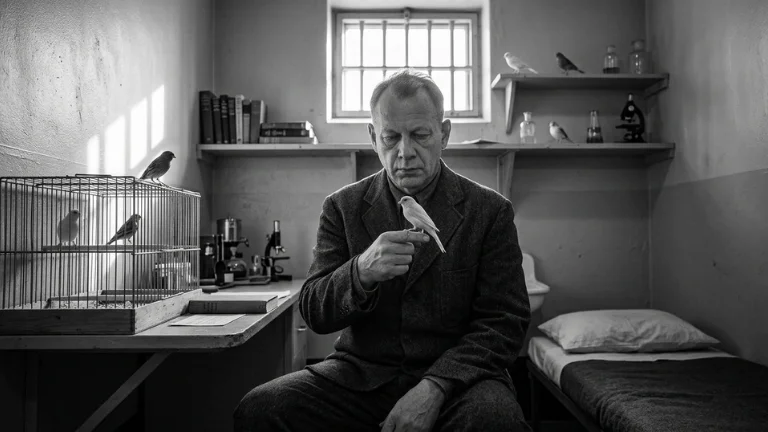
It was during his subsequent years of solitary confinement at Leavenworth that Stroud found a injured sparrow in the prison yard, nursed it back to health, and developed a genuine and scientifically serious interest in birds and bird diseases.
He raised canaries, conducted experiments, and published respected work on avian illness.
The nickname Birdman of Alcatraz is therefore historically inaccurate in one important respect: all of his bird work happened at Leavenworth. When he transferred to Alcatraz in 1942, authorities refused to allow him to continue his studies.
He spent seventeen years on the island, mostly isolated in the hospital wing, and never kept a single bird there. He died in 1963 at the Medical Center for Federal Prisoners in Springfield, Missouri.
3. George Kelly Barnes – "Machine Gun Kelly"
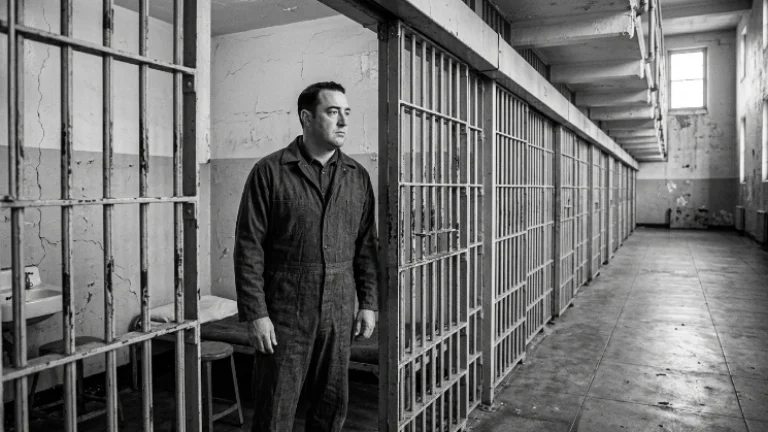
George Kelly Barnes was born on July 18, 1895, in Memphis, Tennessee, into a respectable middle-class family. He attended college briefly but drifted into bootlegging during Prohibition, gradually escalating into bank robbery as his criminal career developed. His early record was unremarkable by the standards of the era, and nothing about his background suggested the fearsome reputation that would eventually attach to his name.
The nickname Machine Gun Kelly was not earned through any particular act of violence.
It was constructed almost entirely by his second wife, Kathryn Thorne, an ambitious and savvy criminal in her own right who purchased Thompson submachine guns and gave them to Kelly as gifts, spent years promoting him to criminal associates and journalists as the most dangerous man in America, and reportedly forced him to practice shooting in fields so she could collect the spent cartridges and hand them out as souvenirs.
The kidnapping of Oklahoma oil businessman Charles Urschel in 1933 brought the full weight of federal law enforcement down on them both. Kelly arrived at Alcatraz in 1934 and proved to be exactly the opposite of his legend, cooperative, quiet, and entirely manageable. He died of a heart attack at Leavenworth in 1954.
4. Alvin Karpis – Old Creepy
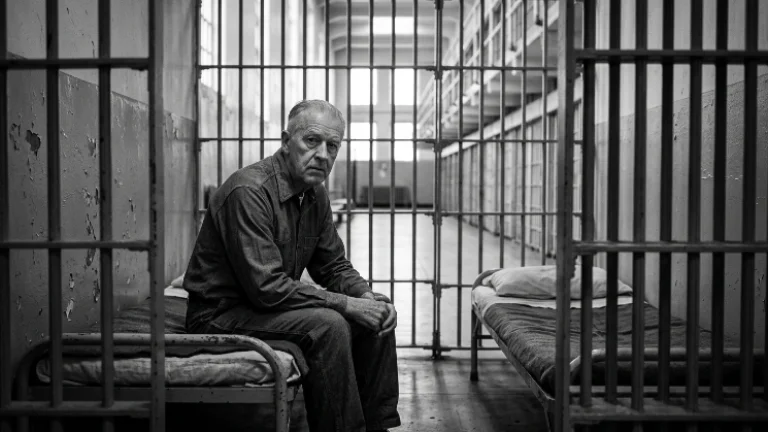
Alvin Karpis was born Albin Francis Karpowicz on August 10, 1907, in Montreal, Canada, to Lithuanian immigrant parents who later relocated to Topeka, Kansas. He began his criminal career as a teenager, falling into petty theft and burglary before connecting with the Barker brothers in the late 1920s and forming what would become the Barker-Karpis gang, one of the most active and feared criminal organizations of the Depression era.
The nickname Old Creepy reportedly came from law enforcement and fellow criminals who described his pale, expressionless eyes as unsettling and difficult to read, giving him a cold, flat quality that made people uncomfortable in his presence.
Karpis was the operational intelligence behind the gang's most significant crimes, including a series of bank robberies and two high-profile kidnappings in 1933 and 1934 that netted substantial ransoms. J. Edgar Hoover personally designated him Public Enemy Number One and, under pressure to demonstrate the FBI's effectiveness, personally made the arrest in New Orleans in 1936.
Karpis arrived at Alcatraz the same year and remained there for twenty-six years, the longest sentence served by any inmate in the prison's history. He reportedly taught a young Charles Manson to play guitar during his final years on the island. He was transferred in 1962, deported to Canada in 1973, and died in Spain in 1979.
5. Arthur "Doc" Barker
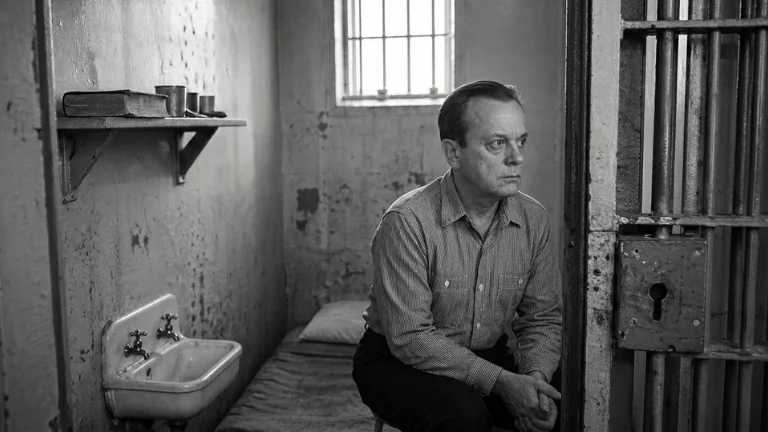
Arthur "Doc" Barker was born on June 4, 1899, in Aurora, Missouri, the youngest son of George and Arizona "Ma" Barker. He grew up in a family that drifted across the Midwest and was introduced to criminal activity early through his older brothers and the network of petty criminals that surrounded the family. His nickname Doc was informal and used within criminal circles, likely a sardonic reference to his calculated, methodical approach to planning criminal operations rather than any medical background.
Barker was considered one of the most dangerous members of the Barker-Karpis gang, connected to murders, armed robberies, and two major kidnappings during the early 1930s. He arrived at Alcatraz in 1935 serving a life sentence.
In January 1939, he joined four other inmates in an escape attempt, attempting to breach the perimeter during the night. He was shot by guards and found mortally wounded on the shoreline at the base of the cliffs. When a prison officer asked him how badly he was hurt, Barker reportedly said he was badly hurt and that he had been crazy to try it. He died of his wounds that morning. He was thirty-nine years old.
6. Henri Young
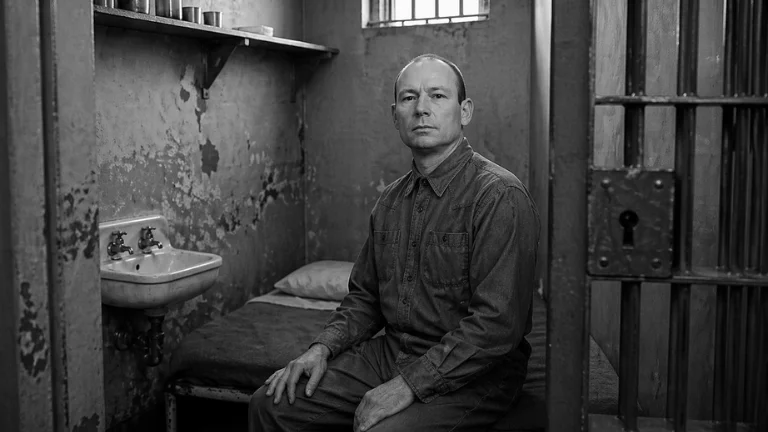
Henri Young was born around 1911, though records from his early life are incomplete and disputed. He grew up in poverty during the Depression and was convicted of a relatively minor federal offense, robbing a post office of less than fifteen dollars, a crime that reflected the economic desperation of the era more than any established criminal career. He was young, without significant prior record, and sent to Alcatraz in circumstances that many observers later considered disproportionate to his offense.
After a failed escape attempt, Young was placed in solitary confinement in the dungeons beneath the Alcatraz cellhouse for an extended period under conditions that left him psychologically and physically damaged. When he was eventually released back into the general population and killed a fellow inmate whom he blamed for informing on his escape attempt, his defense attorney argued that the prison's treatment had effectively driven him to it.
The jury agreed to a limited extent, convicting him of involuntary manslaughter rather than first-degree murder, a verdict that put Alcatraz's internal practices under uncomfortable public scrutiny. His story was dramatized in the 1995 film Murder in the First, though the film significantly altered details for dramatic effect.
7. Frank Morris
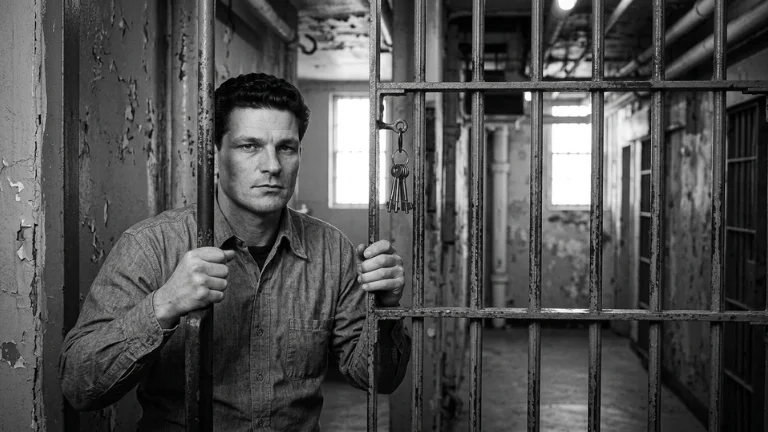
Frank Lee Morris was born on September 1, 1926, in Washington D.C., and spent virtually his entire childhood in the foster care system, moving between placements across multiple states with no stable family foundation. He began committing crimes in his early teens out of economic necessity and had accumulated a substantial criminal record, including narcotics possession and armed robbery, by the time he reached adulthood.
He was consistently assessed by prison officials as possessing an exceptionally high intelligence, with testing placing him in the top two percent of the population, a fact that made him both remarkable and particularly dangerous in an institutional setting.
Morris was transferred to Alcatraz in 1960 after escaping from Louisiana State Penitentiary, and he immediately began planning his next attempt. Working with John and Clarence Anglin over several months, using a vacuum cleaner motor to drill through deteriorating cell walls and constructing dummy heads from soap, concrete, and real human hair collected from the prison barbershop, Morris organized the most sophisticated escape attempt in the prison's history.
On the night of June 11, 1962, he and the Anglins disappeared into the bay on a raft made from stitched raincoats and were never confirmed found. Whether he survived remains genuinely unresolved.
8. John Anglin and Clarence Anglin
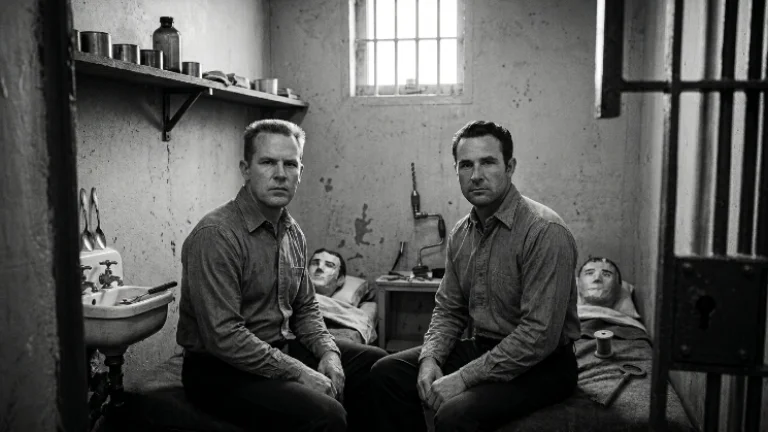
John William Anglin was born on May 2, 1930, and Clarence Anglin on May 11, 1931, both in Donalsonville, Georgia, to a large farming family that included thirteen children. The brothers grew up working the fields of Michigan as seasonal laborers alongside their family and developed a close bond that carried through into their criminal careers, robbing banks together and repeatedly attempting to escape from the various facilities that housed them. They were described by people who knew them as charming, physically capable, and entirely devoted to each other, two men who functioned as a unit rather than as individuals.
Both brothers were transferred to Alcatraz in 1961 after escape attempts at other institutions made them high-priority security cases. Their partnership with Frank Morris produced the 1962 escape, and like Morris, they vanished into the bay and were never conclusively accounted for.
In 2013, a letter surfaced claiming to be from John Anglin, stating all three men had survived, that Morris and Clarence had since died, and that the writer was elderly and ill. Forensic analysts examined the letter but could not verify its authenticity. The U.S. Marshals Service kept the case open for decades, and the question of whether the Anglin brothers survived remains one of the most debated cold cases in American history.
9. Mickey Cohen – The Mick
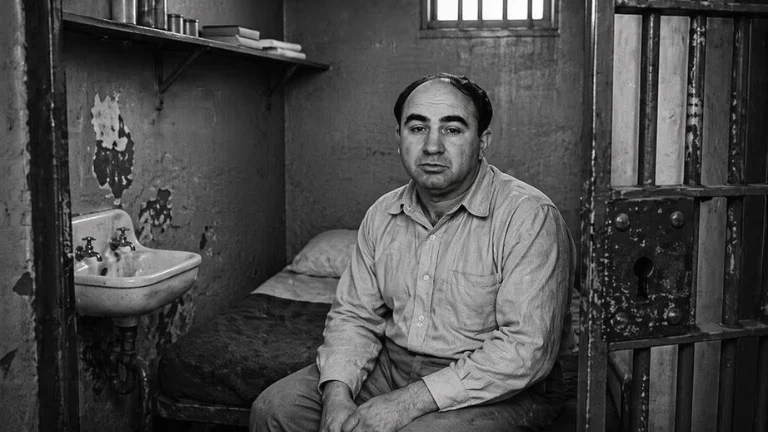
Meyer Harris Cohen was born on September 4, 1913, on the Lower East Side of Manhattan to Ukrainian Jewish immigrant parents. His father died when Mickey was very young and the family relocated to the Boyle Heights neighborhood of Los Angeles, where Cohen grew up on the streets and discovered boxing as a teenager.
He fought professionally as a bantamweight and featherweight in his late teens with genuine skill, but the money in organized crime quickly eclipsed anything the ring could offer. His nickname The Mick was a straightforward Irish-inflected shortening of Mickey, used by associates, enemies, and journalists with equal familiarity throughout his career.
Cohen became the dominant organized crime figure in postwar Los Angeles, running gambling operations across the city with a flamboyance and media savvy that made him one of the most publicly visible mobsters in American history.
He cultivated relationships with celebrities, gave interviews, and treated his criminal career as a kind of performance.
He arrived at Alcatraz in 1961 on a tax evasion conviction, the same charge that had brought Capone to the island three decades earlier. During his time there a fellow inmate attacked him with a lead pipe, leaving him with permanent neurological damage.
He was released following the prison's closure and returned to Los Angeles, where he remained a public figure until his death from stomach cancer in 1976.
What Made These Prisoners So Dangerous?
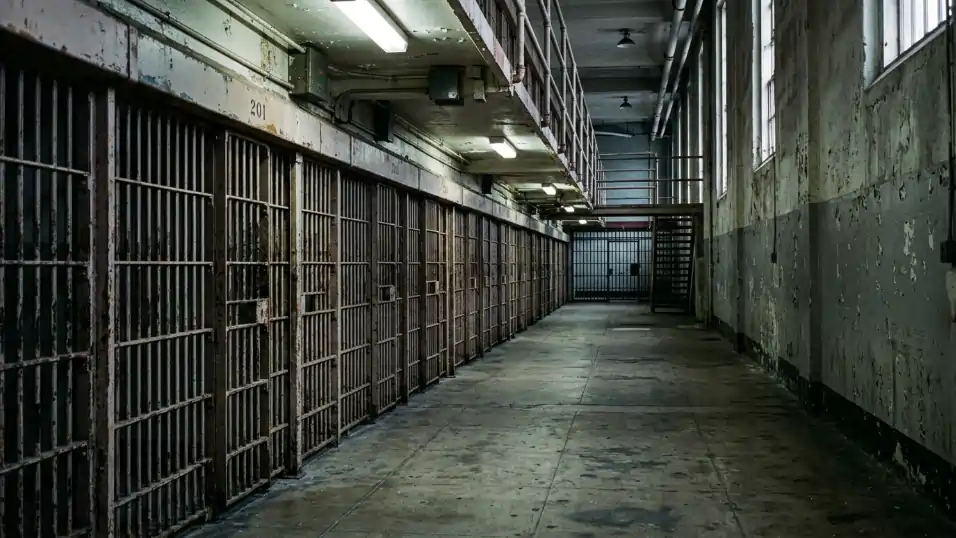
The ten men on this list represent different categories of danger, and understanding what made each of them significant helps explain why Alcatraz existed in the first place.
Several, including Capone, Karpis, and Cohen, posed a threat that went beyond their physical actions. Their organizational influence, their ability to run criminal networks from inside a prison, their capacity to corrupt staff and maintain power structures that extended beyond the walls, made them dangerous in ways that physical containment alone could not fully address. Alcatraz was designed to break those networks by eliminating the communication and privilege that sustained them.
Others, including Morris, the Anglins, and Doc Barker, represented a different kind of challenge: the escape risk. Men who would use any available resource, any gap in the system, any opportunity however slim, to attempt to breach the perimeter.
The physical and psychological design of Alcatraz was built specifically to deny those opportunities, and the escape record of the prison, no confirmed successful escape in twenty-nine years of operation - reflects how effectively it did so.
The Men Who Defined Alcatraz
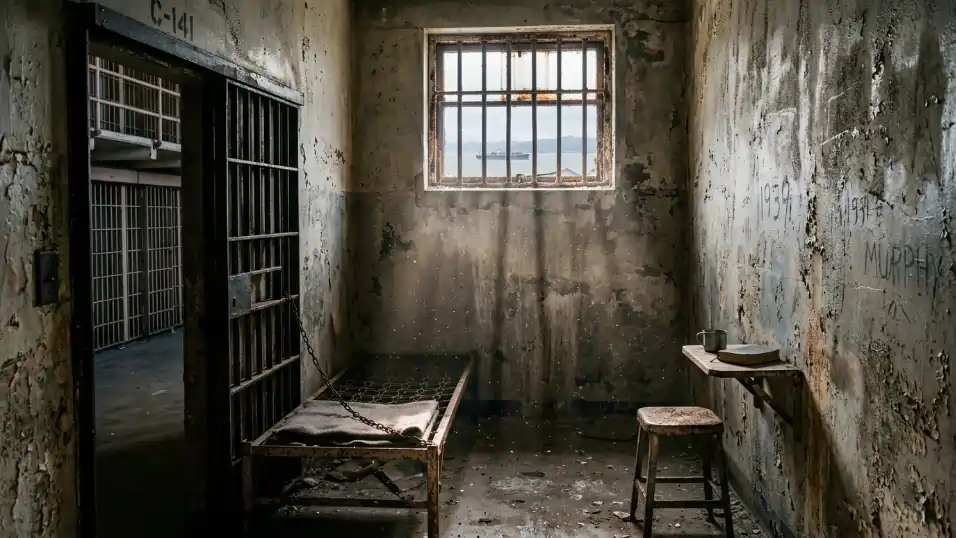
Alcatraz built its reputation on the quality of the men it contained. The gangsters, the kidnappers, the escape artists, and the figures whose stories spilled beyond the prison into film, literature, and public debate collectively created the cultural identity that makes Alcatraz the most recognized prison in the world today.
Their cells still exist. Their names still appear in the audio tour that guides visitors through the cellhouse. The physical spaces where they ate, slept, and served their time are walkable, touchable, and genuinely affecting in a way that no museum display can replicate.
You can explore their cells and hear their stories during an Alcatraz Day Tour, walking the same corridors where these men spent years of their lives. For a more atmospheric and intense version of that experience, the Alcatraz Night Tour transforms the cellhouse after dark into something closer to the environment these inmates actually inhabited, quiet, isolated, and heavy with the weight of the stories contained within its walls.
Frequently Asked Questions
Who was the most famous prisoner at Alcatraz? ▾
Did any prisoners successfully escape from Alcatraz? ▾
How long did Alvin Karpis serve at Alcatraz? ▾
Did the Birdman of Alcatraz actually keep birds on the island? ▾
What happened to Frank Morris after the 1962 escape? ▾
Why were prisoners sent to Alcatraz instead of other federal prisons? ▾
How many prisoners were held at Alcatraz over its history? ▾
Can you see the cells of famous prisoners today? ▾
Amelia Carter
Published on Alcatraz Tickets