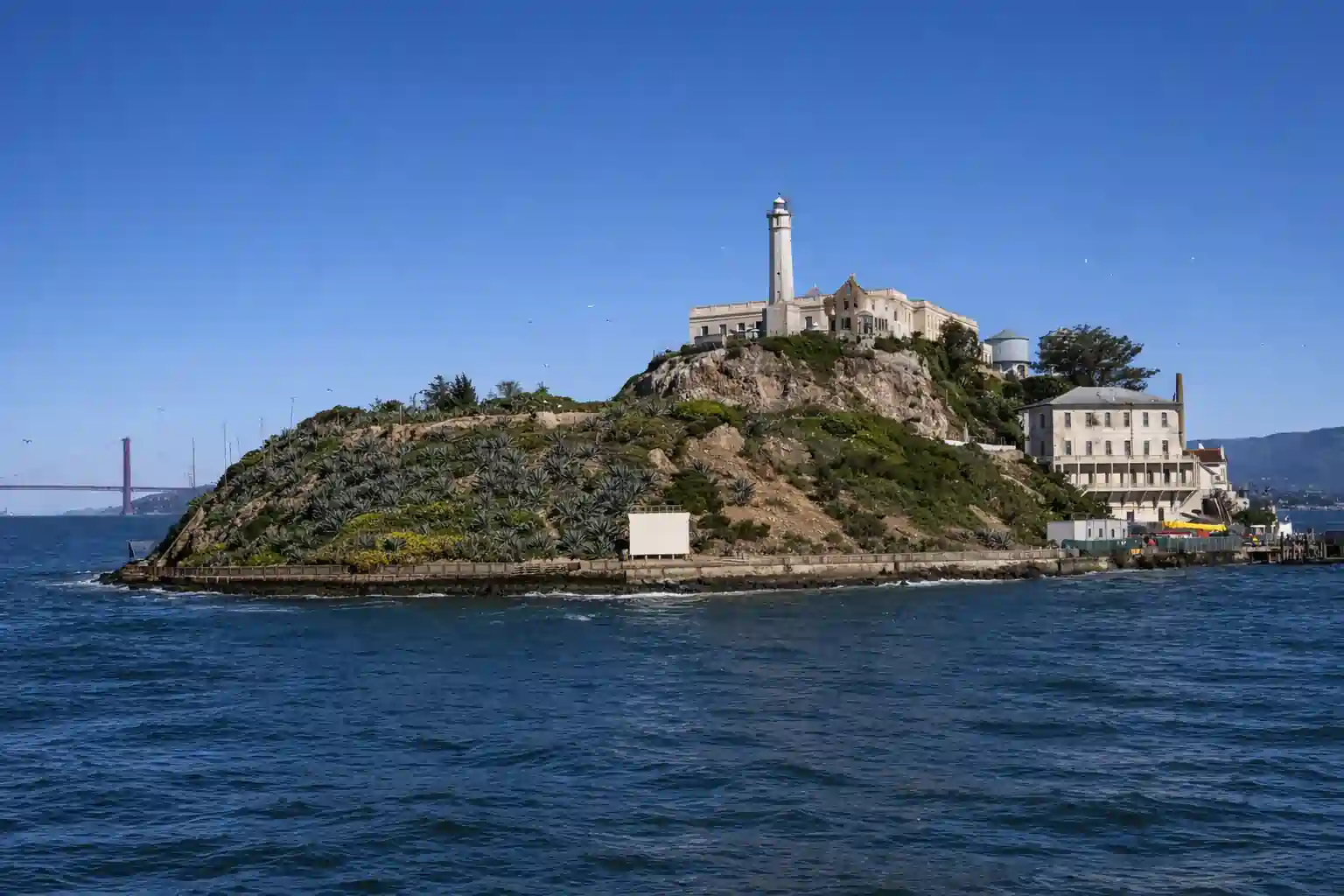
The Anglin Brothers Escape from Alcatraz: The 1962 Mystery That Still Baffles Experts
The Most Famous Escape from Alcatraz
Alcatraz was built on a single promise. No one gets out.For 28 years that promise held well enough to maintain the prison's reputation as the most secure federal facility in the United States. Then, on the night of June 11, 1962, three men quietly slipped out of their cells, crawled through the roof, and disappeared into San Francisco Bay.
Did they survive, or was it the perfect illusion of escape? More than six decades later, nobody has a definitive answer.
Did the Anglin Brothers Escape Alcatraz?
Yes. John Anglin and Clarence Anglin escaped Alcatraz on the night of June 11, 1962, alongside fellow inmate Frank Morris.
Their fate remains officially unknown. The FBI closed its investigation in 1979, concluding they most likely drowned in the bay. The U.S. Marshals Service kept the case open for decades longer, and some evidence continues to suggest the possibility that they survived.
No bodies were ever found. No confirmed identities were ever established. The case remains one of the most enduring unsolved mysteries in American criminal history.
Who Were the Anglin Brothers?

John William Anglin was born on May 2, 1930. Clarence Anglin was born on May 11, 1931. They were two of thirteen children raised in a poor rural family in Georgia and later Florida.
The brothers grew up working in fields alongside their family and developed a closeness that stayed with them through their criminal careers and into their time at Alcatraz. They committed crimes together, were often incarcerated together, and ultimately escaped together.
Their criminal history centered on bank robbery. They were not violent offenders by the standards of many Alcatraz inmates, but their repeated escape attempts from previous facilities made them candidates for the island. Both brothers had previously escaped from other prisons, which contributed to their transfer to Alcatraz.
They arrived at Alcatraz in 1960, within months of each other. Their cells were adjacent, which made communication and planning significantly easier than it would have been had they been housed in separate blocks.
The Plan: How They Prepared the Escape

The escape that John and Clarence Anglin executed with Frank Morris took nearly a year of careful, patient preparation. It was not impulsive. It was methodical, detailed, and executed with a level of discipline that prison administrators later described as remarkable.
The first challenge was getting out of their cells.
The inmates discovered that the concrete around the cell ventilation grates had deteriorated significantly over the years, making it possible to dig through with improvised tools. They used metal spoons, a drill fashioned from a converted vacuum cleaner motor, and other tools obtained through the prison's workshop to slowly enlarge the openings behind their cell walls.
The work was done at night, hidden during the day behind cardboard and painted surfaces that matched the cell wall. To conceal the digging, the inmates used a cardboard cover painted to match the wall color, which guards failed to detect during regular inspections.
Getting out of the cells was only part of the problem. The guards conducted bed checks throughout the night, which meant the cells needed to appear occupied after the inmates had left.
The inmates created lifelike dummy heads using a mixture of soap, toilet paper, and real human hair collected from the prison barbershop. The heads were placed on pillows in the beds to fool guards making rounds in low light. They were convincing enough to delay discovery of the escape until the following morning.
The escape route required more than just leaving the cells. The men had been secretly meeting in an unguarded utility corridor above the cells, which they accessed through the enlarged ventilation holes, to assemble the materials needed for their water crossing.
The raft and life preservers they planned to use to cross the bay were constructed from more than 50 raincoats stolen from other inmates over the preceding months. The raincoats were stitched together and could be inflated using a modified accordion-style musical instrument that one of the inmates had access to.
The plan covered every stage of the escape from cell to water. What it could not control was what happened once they were in the bay.
The Night of the Escape
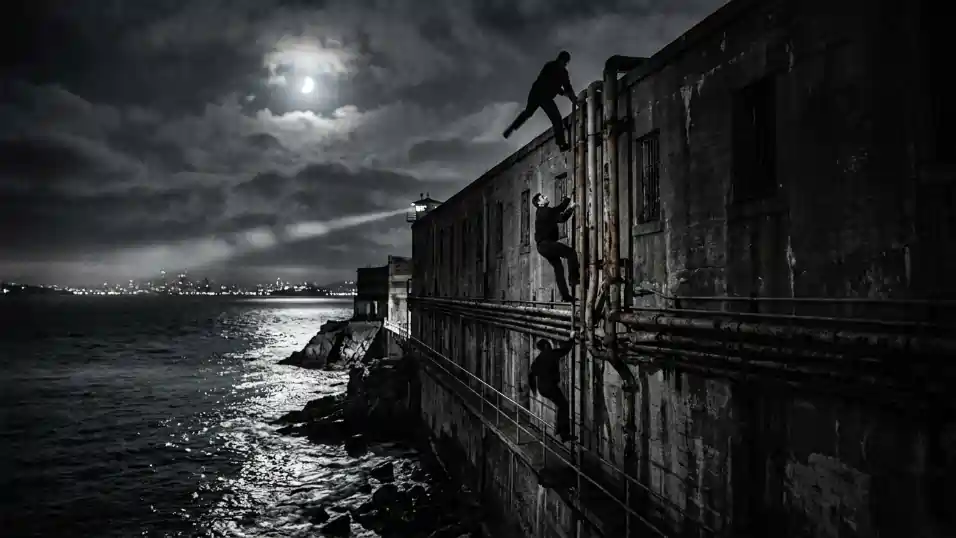
On the night of June 11, 1962, the three men put the plan into final action.At approximately 9:30 PM, after lights out, Morris and the Anglin brothers placed their dummy heads in their beds and squeezed through the holes behind their cell walls into the utility corridor.
They climbed the utility pipes to the top of the cell block, accessed the roof through a ventilation shaft, and made their way down the exterior of the building toward the water.
The men reached the northeastern shore of the island, inflated their makeshift raft, and entered the water, intending to paddle to Angel Island before crossing to the Marin County shoreline.
The bay that night was cold, the currents were strong, and the conditions for a crossing on an improvised raincoat raft were genuinely dangerous. Whether any of them made it across is the question that has never been answered.
The escape was not discovered until the following morning. When guards attempted to wake the inmates for the morning count and found the dummy heads in the beds, the alarm was immediately raised and a full search of the island and bay was launched.
By that point, the three men had been gone for hours. The search found no survivors and no bodies.
Did They Survive? The Ongoing Mystery
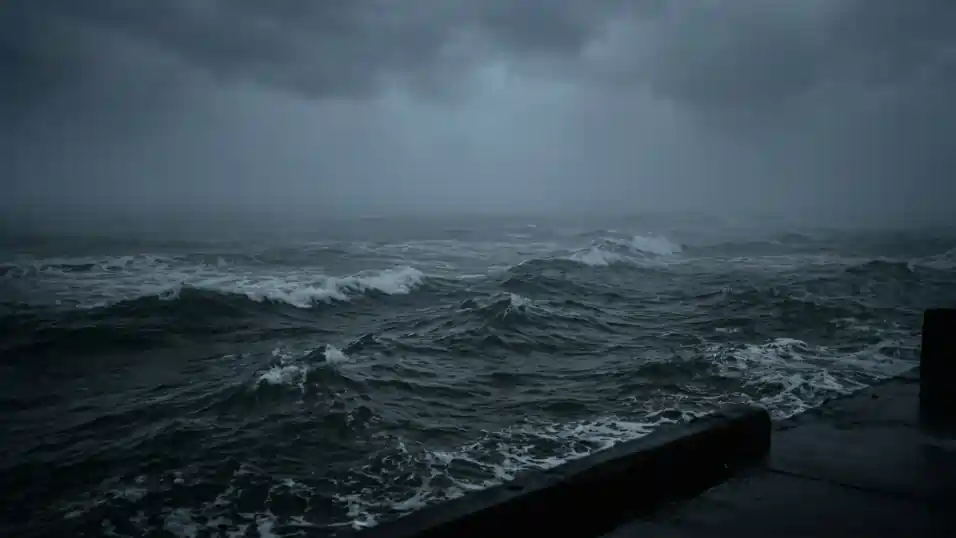
The official position of the FBI, maintained until the case was closed in 1979, was that John Anglin, Clarence Anglin, and Frank Morris most likely drowned in San Francisco Bay on the night of June 11, 1962.
The basis for that conclusion was the conditions. Water temperatures between 50 and 55 degrees Fahrenheit, strong and unpredictable currents, and the physical demands of crossing the bay on an improvised raft made survival seem statistically unlikely to investigators.
But the conclusion was never confirmed by evidence. No bodies were ever recovered. No confirmed sightings were ever verified. The case rested entirely on the assumption that survival was improbable rather than on any direct proof of death.
The U.S. Marshals Service kept the case open until 2015, citing continuing leads and the possibility that the men may have survived.
That 36-year gap between the FBI closure and the Marshals Service closure reflects the genuine uncertainty that has surrounded the case from the beginning. Two separate federal agencies reached different conclusions about the same evidence.
The mystery has never fully closed because the fundamental question has never been answered. What happened to the three men who entered San Francisco Bay on a makeshift raft and were never seen again?
Evidence That Suggests They Might Have Survived

The case for survival is built on several pieces of evidence that investigators and the Anglin family have cited consistently over the decades.
No bodies were ever found. The bay and the surrounding coastline were searched extensively in the days following the escape. Nothing was recovered that confirmed the deaths of any of the three men.
A reported photograph. In 2015, the Anglin family produced a photograph allegedly taken in Brazil in 1975, showing two men they identified as John and Clarence Anglin, alive and aged approximately as they would have been 13 years after the escape. The photograph was submitted to the U.S. Marshals Service for analysis. Results were inconclusive.
A letter to the police. In 2013, a letter was received by the San Francisco Police Department, purportedly written by John Anglin, claiming that all three men had survived the escape, that Frank Morris had died in 2008, and that the writer was in poor health and willing to turn himself in in exchange for medical treatment. The letter was analyzed by the FBI but could not be confirmed as genuine.
Flowers at their mother's grave. The Anglin family reported that flowers appeared on their mother's grave on Christmas Day for several years after the escape, which they believed could only have been placed there by John and Clarence. This claim has never been verified or investigated formally.
Research on bay currents. A Dutch team of researchers conducted a computer simulation of the bay currents on the night of June 11, 1962, and concluded that if the men had entered the water before midnight and paddled north, they could have reached the Marin County shoreline without drowning. The simulation suggested survival was physically possible under the right conditions.
None of these pieces of evidence conclusively proves survival. Each has been challenged or remained unverified. Together, however, they form a body of circumstantial suggestion that has kept the mystery alive for more than six decades.
Timeline: The 1962 Alcatraz Escape
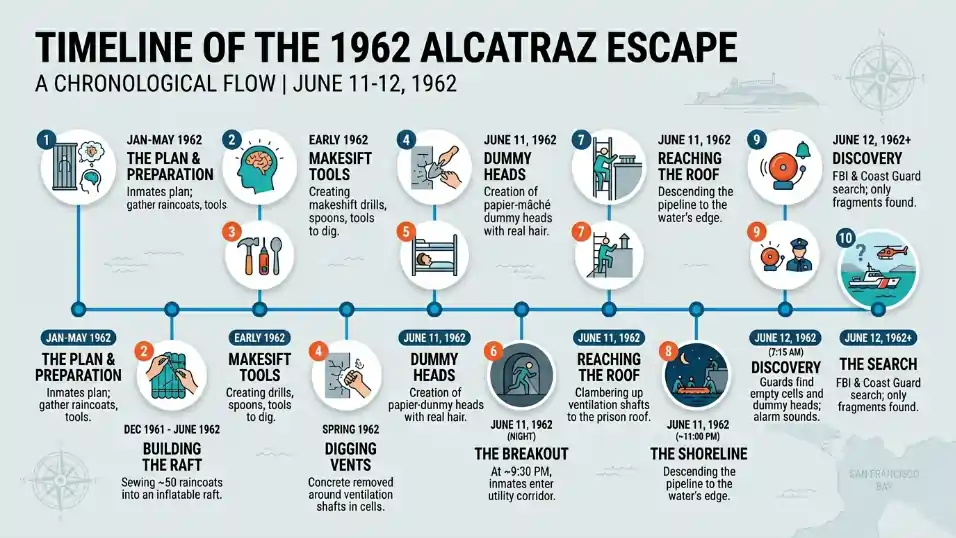
Late 1961 — Frank Morris, John Anglin, and Clarence Anglin begin planning the escape. Digging through cell walls starts using improvised tools.
Early 1962 — Raincoats begin disappearing from the prison laundry. The makeshift raft and life preservers are assembled in secret in the utility corridor above the cells.
Spring 1962 — Dummy heads are constructed using soap, toilet paper, and hair from the prison barbershop. Regular night checks by guards do not detect the preparation.
June 11, 1962 — 9:30 PM — Lights out. The three men place dummy heads in their beds and enter the utility corridor through the enlarged ventilation holes behind their cells.
June 11 — Late evening — The men climb to the roof, descend the exterior of the cellhouse, and reach the northeastern shoreline of the island.
June 11 — Night — The makeshift raft is inflated. The three men enter San Francisco Bay and disappear.
June 12, 1962 — Morning — Guards attempt to wake the inmates for the morning count and discover the dummy heads. The alarm is raised. A full search of the island and bay is launched.
June 12 onward — The FBI opens a formal investigation. The bay and surrounding coastline are searched. No survivors or bodies are found.
1979 — FBI officially closes its investigation, concluding the men most likely drowned.
2013 — A letter purportedly from John Anglin is received by the San Francisco Police Department, claiming all three survived and that Morris died in 2008. The letter cannot be confirmed as genuine.
2015 — The Anglin family produces a photograph allegedly showing John and Clarence alive in Brazil in 1975. Analysis is inconclusive. The U.S. Marshals Service closes its investigation the same year.
Today — The case remains officially closed but culturally unresolved. The escape continues to be one of the most discussed unsolved mysteries in American history.
Why This Escape Still Fascinates People Today
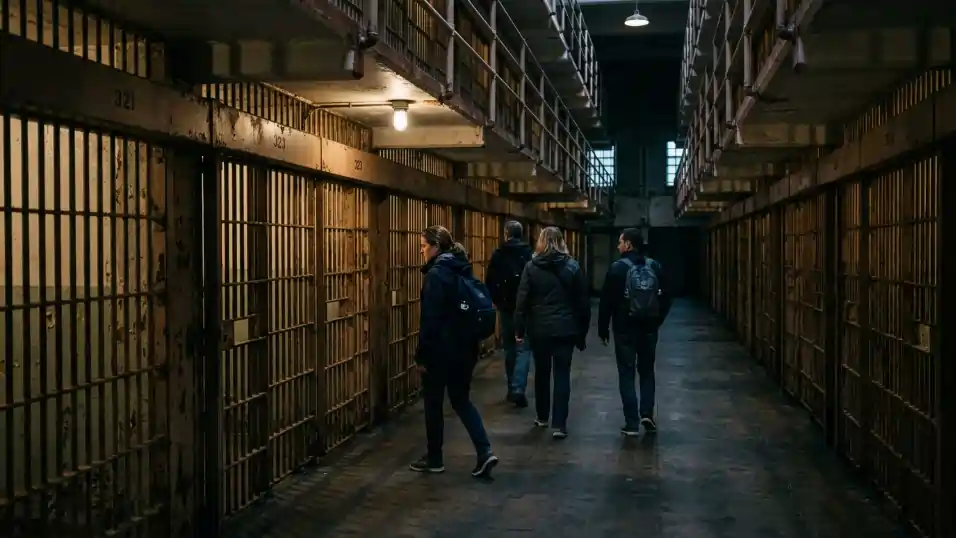
The 1962 escape from Alcatraz endures in the public imagination for reasons that go beyond the mechanics of how it was done.
It is a story about patience, ingenuity, and the human refusal to accept confinement as permanent. The months of careful preparation, the improvised tools, the dummy heads, the raincoat raft, all of it constructed in secret inside the most secure federal prison in the country, represent a level of determined creativity that commands a grudging respect regardless of who the men were.
It is also a story with no ending. Most prison escapes are resolved quickly and definitively. This one has remained open for more than 60 years, with two federal agencies, multiple independent researchers, and the inmates' own family all contributing evidence and theories that have never produced a final answer.
The unanswered question is what keeps people returning to it. Did they make it? The honest answer is that nobody knows, and that uncertainty is more compelling than any confirmed conclusion could be.
Visitors today can walk through the actual cells where the escape was planned during an Alcatraz Day Tour. Standing in the spaces where the dummy heads were placed, seeing the utility corridor the men crawled through, and looking out at the bay they crossed turns the story from something you have read about into something you are standing inside.
For a more intense encounter with the history, the Alcatraz Night Tour brings visitors to the island after dark. The cellhouse at night, quiet and low-lit, creates an atmosphere that makes the events of June 11, 1962 feel genuinely close rather than historically distant.
Did You Know? Facts About the 1962 Escape
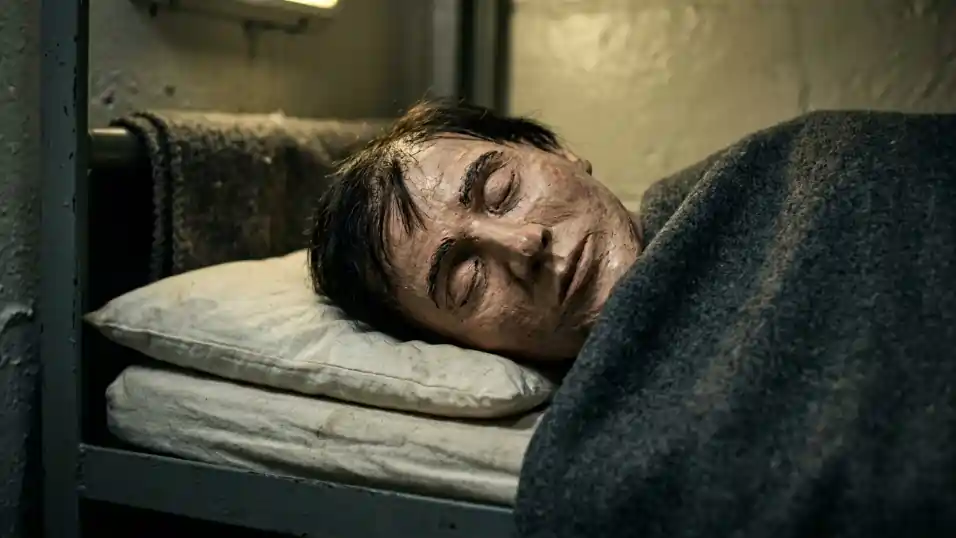
The dummy heads were so convincing that the guard who conducted the final bed check on the night of June 11 did not detect anything unusual. The escape was not discovered until the morning count the following day, giving the men approximately eight hours before the alarm was raised.
Frank Morris, who led the escape planning alongside the Anglin brothers, had an IQ reported at 133, placing him in the top two percent of the population. His intellectual capability was central to the sophistication of the plan.
The spoons the inmates used to dig through the cell walls were so worn down by the time the escape was executed that investigators were initially puzzled about how the men had removed enough concrete to create an opening large enough to squeeze through.
A fourth inmate, Allen West, was part of the original escape plan but failed to widen his own cell opening in time and was left behind. West provided investigators with detailed information about the plan, which formed the basis of the initial FBI investigation.
The accordion used to inflate the raincoat raft was a concertina, a small hand-held instrument that inmates were permitted to keep in their cells. Its use as an inflation device was not something prison staff had considered when allowing musical instruments.
The Norwegian research team that modeled the bay currents in 2014 found that the window for a successful crossing was narrow but real. Entering the water before 11:30 PM and heading north toward Angel Island gave the men the best chance of avoiding the outgoing tide that would have carried them into the open ocean.
The Perfect Escape or a Tragic End?
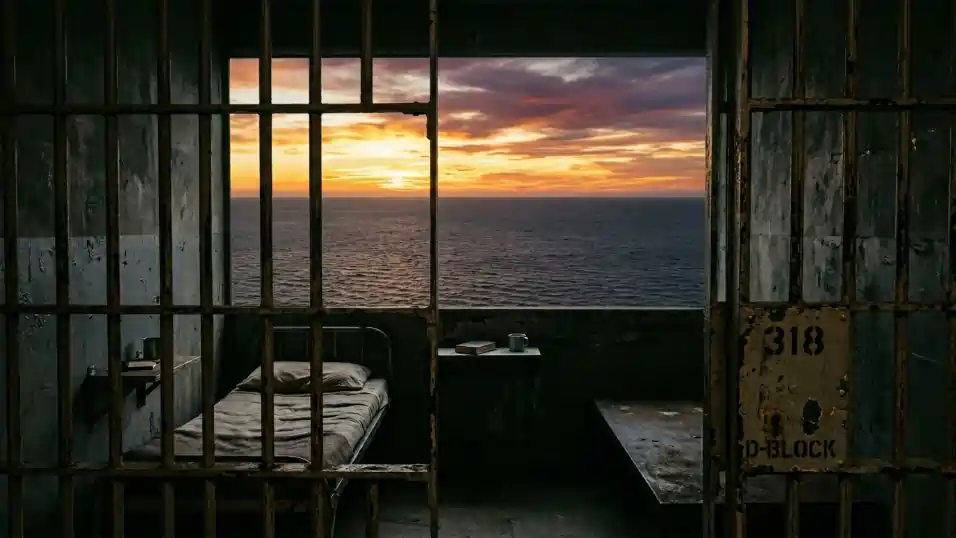
The 1962 escape from Alcatraz is one of those rare historical events that resists resolution. The evidence points in multiple directions. The official conclusion is a probability, not a certainty.
The family's belief in survival is unverified but not impossible.What the escape definitively achieved was the permanent complication of Alcatraz's escape-proof reputation.
Three men planned their way out of the most secure federal prison in the country, entered San Francisco Bay, and were never seen again. Whatever happened to them, that much is simply true.
The cells where they planned it, the utility corridor where they built the raft, and the bay they entered are all still there. Walking through those spaces connects you to a story that no documentary or film has ever fully settled.
Book your visit early, spend time in the cell blocks, and look at the bay from the island's edge. The question of what happened on the night of June 11, 1962 is still open. Standing where it began makes it feel like yours to consider.
Frequently Asked Questions
Did the Anglin brothers escape from Alcatraz? ▾
What happened to the Anglin brothers after the escape?▾
How did the Anglin brothers escape from Alcatraz? ▾
Were the dummy heads really convincing enough to fool guards? ▾
Did anyone find proof that the Anglin brothers survived? ▾
Who was Frank Morris?▾
Why did the fourth inmate not escape? ▾
What were the bay conditions on the night of the escape?▾
Has any physical evidence of the escape been found in the bay? ▾
Can you see the escape cells at Alcatraz today?▾
Why is the 1962 escape considered the most successful in Alcatraz history? ▾
Adrian Davis
Published on Alcatraz Tickets