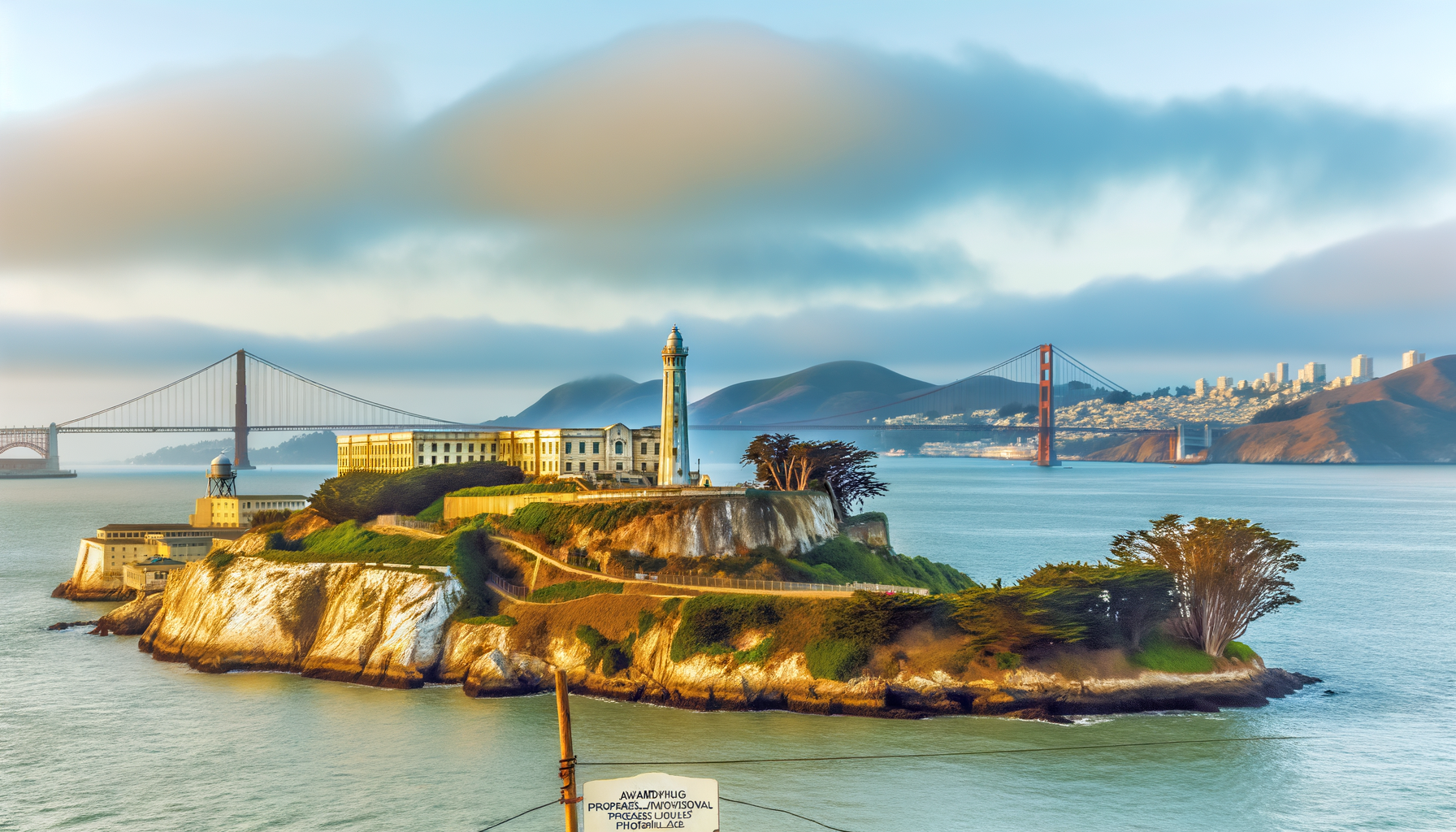
10 Movies Featuring Alcatraz Island: The Rock in Hollywood & Pop Culture
Why Alcatraz Is a Hollywood Favorite
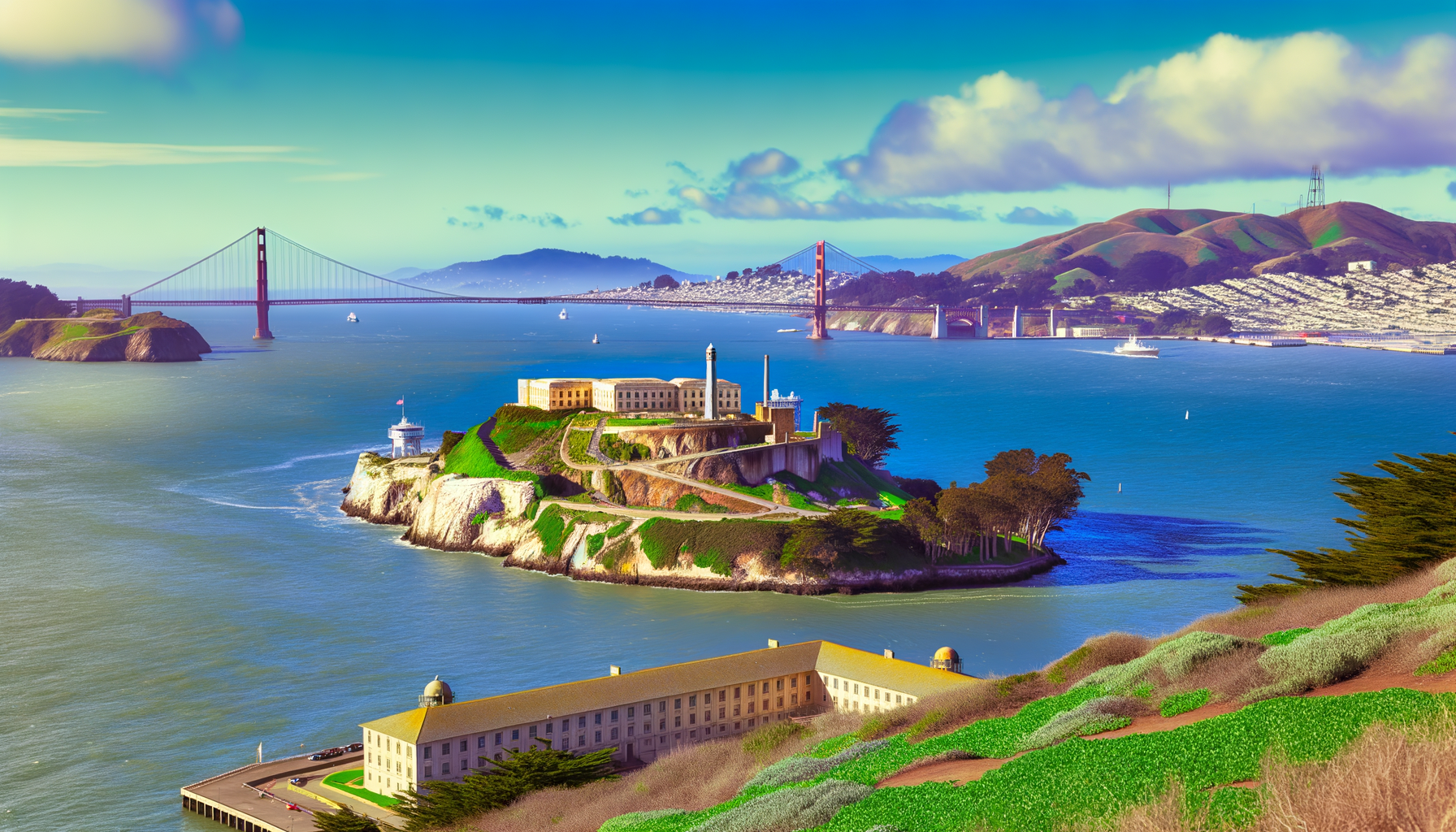
Why Alcatraz Is a Hollywood Favorite
From escape dramas to action thrillers, Alcatraz has played many roles.
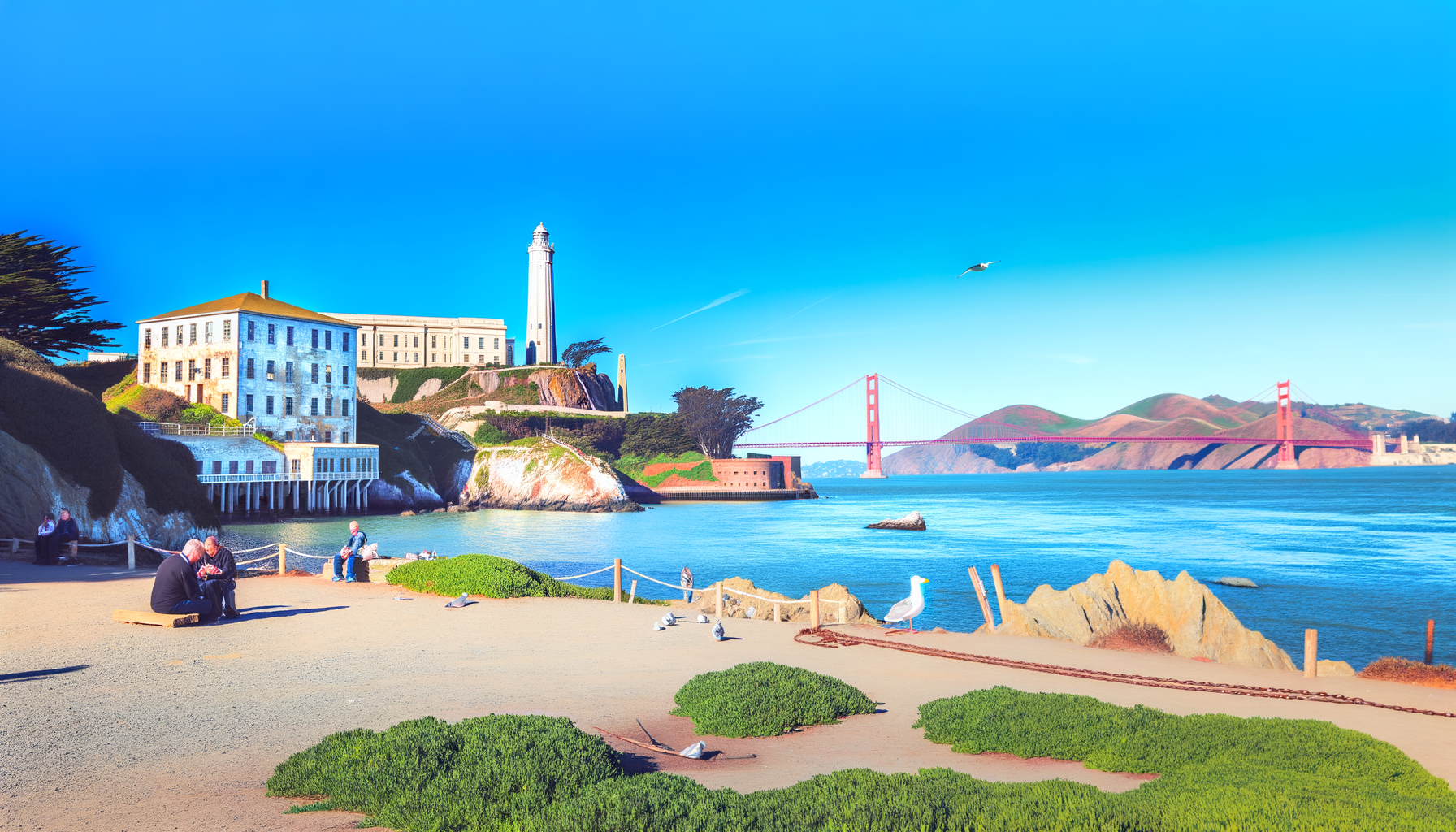
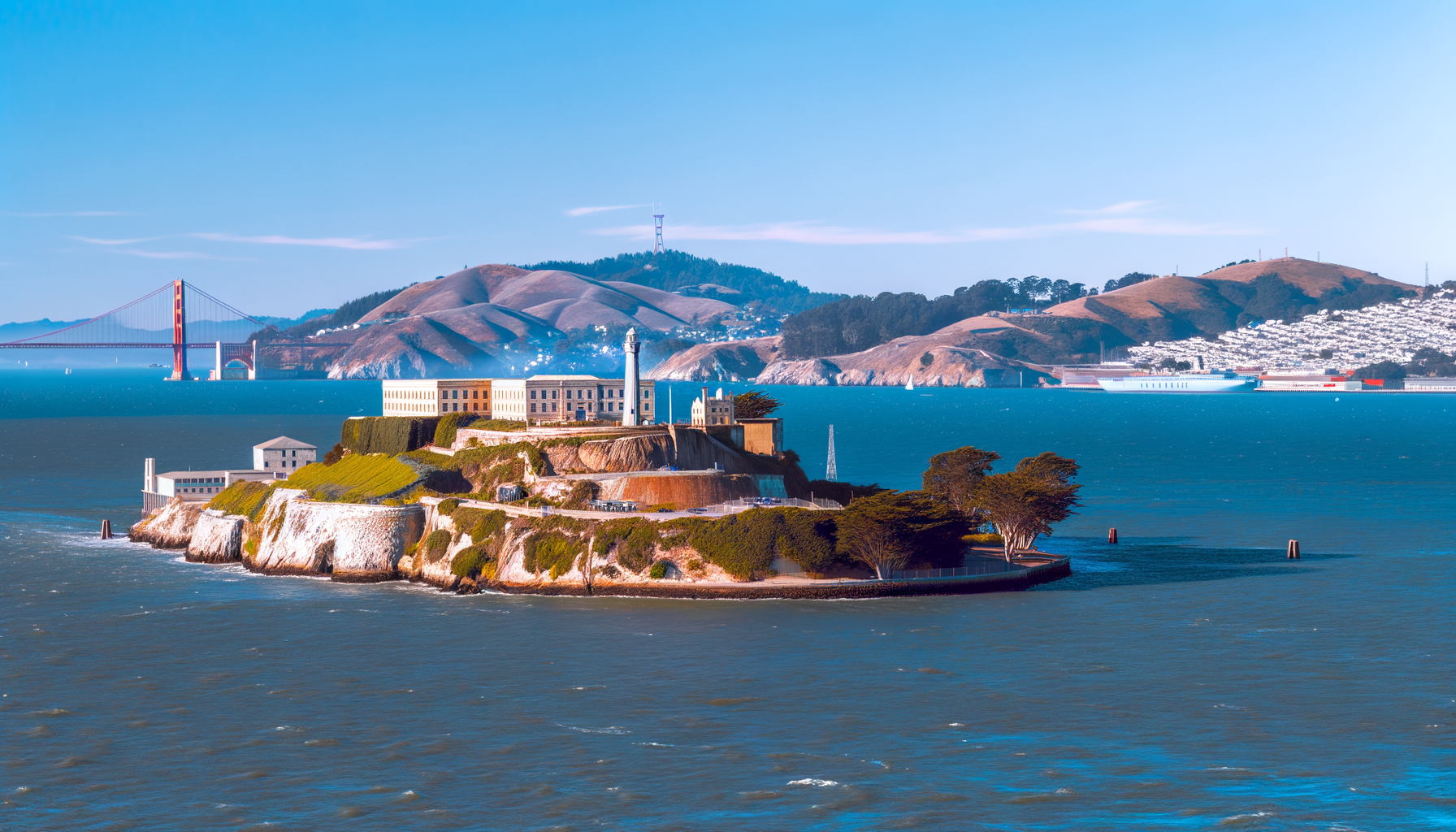
No prison on earth has appeared on screen more often, more dramatically, or more memorably than Alcatraz Island. The fog, the bay, the imposing cellhouse sitting on its rocky foundation in the middle of San Francisco Bay. It is a location that does half the storytelling on its own before a single line of dialogue is spoken. Filmmakers have understood this for decades, which is why Alcatraz keeps appearing across genres, eras, and budgets as the setting that automatically elevates whatever story surrounds it.
The appeal is not simply historical reputation, though that plays a role. It is the physical character of the place. The island creates genuine visual isolation. The water surrounding it is not decorative. It is a real barrier, cold and fast-moving, and the camera can show that without any manipulation. The buildings carry the texture of real age and real history. The views are extraordinary from every angle. Alcatraz looks cinematic because it is cinematic, naturally, without effort.
Here are ten films that used the island to powerful effect, and what each one brought to the ongoing story of Alcatraz as a cultural icon.
1. The Rock (1996)
1. The Rock (1996)
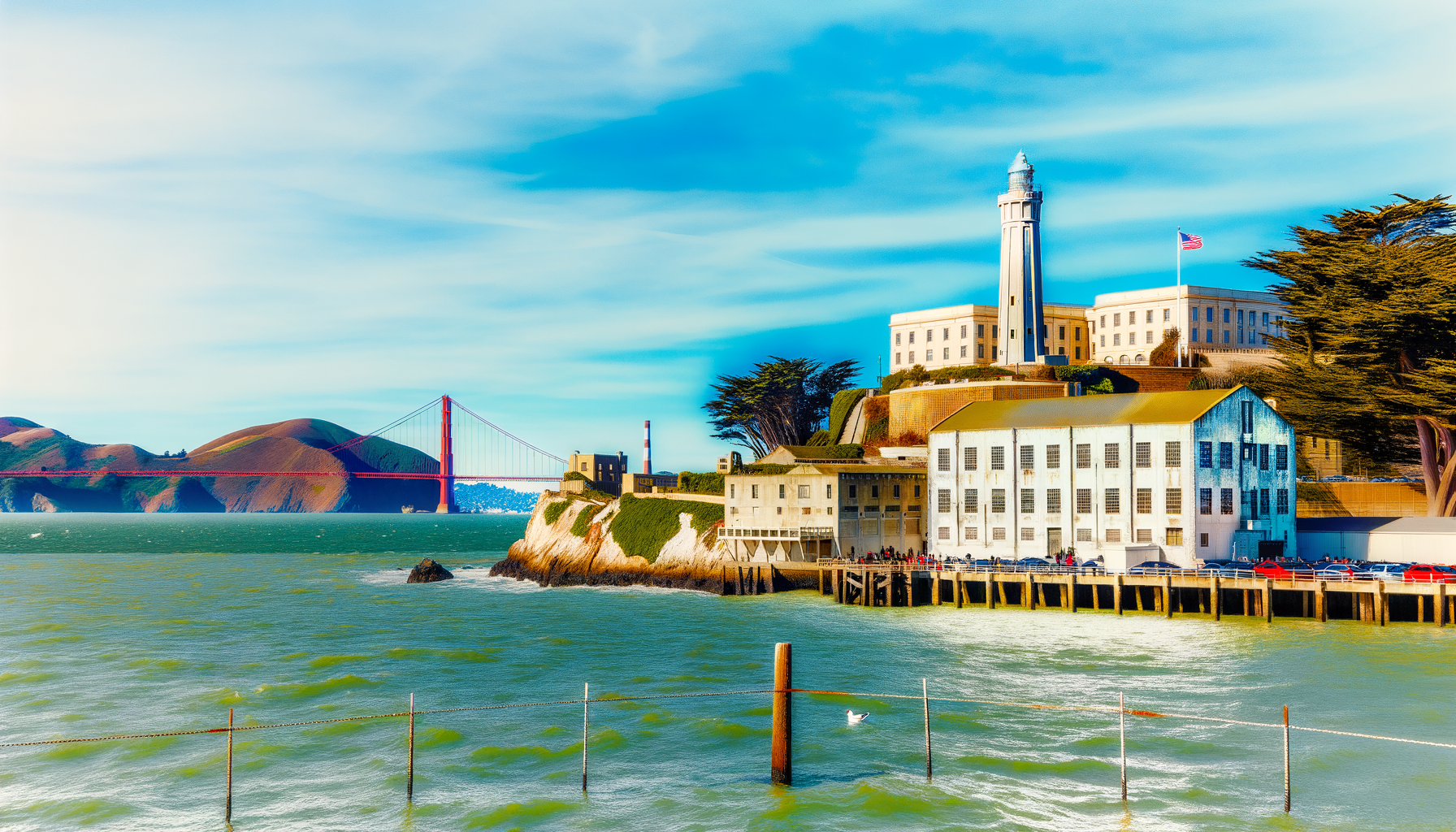
No film has done more to cement Alcatraz in the popular imagination than Michael Bay's 1996 action thriller. Starring Sean Connery and Nicolas Cage, the film centers on a rogue military unit that seizes Alcatraz Island and threatens San Francisco with chemical weapons. The only man who has ever escaped the prison, played by Connery, is recruited to lead a team back in.
The Rock treated Alcatraz as a full character rather than a backdrop. The tunnels beneath the island, the shower rooms, the cell blocks, the external cliffs and machinery, all of it appeared on screen with a visual energy that made the island feel simultaneously dangerous and fascinating. The film was a massive commercial success and introduced Alcatraz to a global audience that had no prior connection to its history.
For many international visitors who arrive at the island today, The Rock was their first introduction to it. Walking through the real cellhouse after watching the film carries a specific kind of recognition that few other historic sites can produce.
2. Escape from Alcatraz (1979)
2. Escape from Alcatraz (1979)
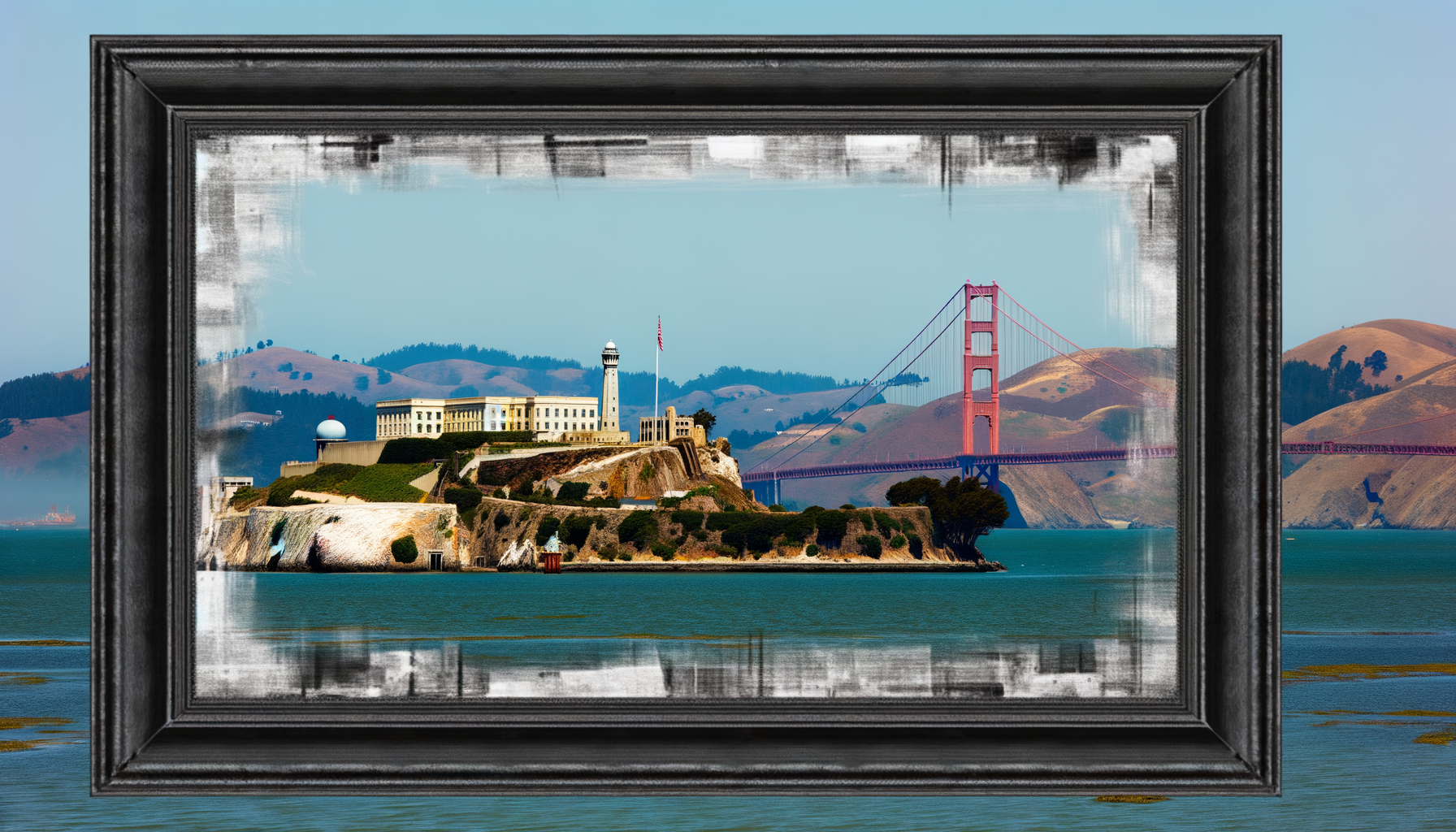
If The Rock gave Alcatraz its action identity, Escape from Alcatraz gave it its soul. Directed by Don Siegel and starring Clint Eastwood as Frank Morris, the film is a careful, patient, and remarkably faithful recreation of the 1962 escape that remains the most famous unsolved mystery in American prison history.
Eastwood's performance is defined by restraint. Morris is intelligent, observant, and almost entirely silent, a character who communicates more through watching than speaking. The film builds its tension through the grinding routine of prison life, the slow accumulation of small details, the months of preparation that preceded the single night of the escape attempt itself.
Escape from Alcatraz was filmed partly on location at the real island, and the authenticity of the physical environment is visible in every frame. The cells look right because they are right. The corridors have the correct proportions. The bay in the final scenes carries the actual cold and darkness of a night crossing. For anyone with an interest in the real history of the 1962 escape, this film remains the most honest and affecting version of that story put on screen.
3. Murder in the First (1995)
3. Murder in the First (1995)
Less widely seen than the two films above but arguably the most emotionally powerful Alcatraz film ever made, Murder in the First stars Kevin Bacon as Henri Young, a prisoner subjected to years of solitary confinement in the dungeons beneath the Alcatraz cellhouse following a failed escape attempt.
The film is intense and deliberately uncomfortable. It focuses not on escape or action but on the psychological and physical consequences of prolonged isolation and institutional cruelty. Bacon's performance is raw and physically committed in a way that forces the audience to sit with the reality of what confinement at its most extreme actually meant for the men who experienced it.
Whether or not the specific details of Henri Young's story are historically accurate has been debated, but the broader truth the film engages with, that Alcatraz in its early years subjected some prisoners to conditions that went well beyond standard incarceration, is supported by the historical record. Murder in the First brought that darker chapter of the island's history to mainstream attention in a way that no documentary had managed.
4. Point Blank (1967)
4. Point Blank (1967)
One of the earliest and most stylistically distinctive uses of Alcatraz on film, Point Blank is a neo-noir thriller directed by John Boorman and starring Lee Marvin as a man left for dead on Alcatraz after a heist goes wrong. The film opens on the abandoned island in its post-closure period, using the empty buildings and decaying spaces to create an atmosphere of desolation that perfectly establishes the film's cold, dreamlike tone.
Point Blank was shot on the actual island shortly after the prison closed and before the National Park Service opened it to visitors, giving it access to spaces that no subsequent production has been able to replicate in the same condition. The Alcatraz of Point Blank is raw, unrestored, and genuinely eerie in a way that later productions, working around active visitor operations, cannot fully recreate. It remains one of the most visually interesting uses of the location in cinema history.
5. X-Men: The Last Stand (2006)
The most visually spectacular use of Alcatraz in any film, X-Men: The Last Stand places the island at the center of its climactic battle sequence, using it as the location of a laboratory developing a mutant cure. The film's final act involves a large-scale confrontation on and around the island that includes the Golden Gate Bridge being physically relocated to serve as a mutant invasion route.
The choice of Alcatraz as the setting for the film's moral and physical conflict was deliberate and effective. An island associated with confinement, punishment, and escape becomes the site of a battle over whether difference should be suppressed or celebrated. The symbolism was not subtle, but it worked, and the visual combination of superhero action against the Alcatraz cellhouse and San Francisco Bay backdrop produced some of the most memorable images in the X-Men franchise.
6. The Enforcer (1976)
The third film in the Dirty Harry series brought Clint Eastwood back to Alcatraz territory, this time as Inspector Harry Callahan pursuing a terrorist group that has seized the island. The film uses the exterior of Alcatraz and the surrounding bay as the setting for its final confrontation, with the abandoned island providing the same atmospheric isolation that Point Blank had used a decade earlier.
The Enforcer is not primarily an Alcatraz film in the way that Escape from Alcatraz is, but its climactic sequence uses the island effectively as a setting for the kind of high-stakes, contained action that the location naturally supports. For fans of the Dirty Harry series, the Alcatraz finale is one of the more memorable set pieces in the franchise.
7. So I Married an Axe Murderer (1993)
Not every Alcatraz film is dark. Mike Myers' romantic comedy uses the island as a tourist attraction in its San Francisco setting, capturing the ferry crossing, the visitor experience, and the island's function as a beloved cultural destination rather than a place of dread. The film's treatment of Alcatraz is light and affectionate, reflecting the city's relationship with the island as something between a landmark and a local institution.
So I Married an Axe Murderer is a reminder that Alcatraz exists in the popular imagination across a wide tonal range. It is not only the setting for escape thrillers and prison dramas. It is also a San Francisco landmark that functions as backdrop for comedies, romances, and stories that have nothing to do with crime or confinement. That range is part of what makes it so enduringly useful to filmmakers across genres.
8. Half Past Dead (2002)
This action film starring Steven Seagal imagines a scenario in which Alcatraz has been reopened as a modern maximum-security prison, a premise that allowed the production to use the island's visual identity while constructing a largely fictional operational environment around it.
Half Past Dead is not a film remembered for its subtlety or historical accuracy, but it demonstrates an important aspect of Alcatraz's cultural function. The island's name and image carry enough built-in significance that attaching them to a fictional scenario immediately raises the stakes. You do not need to explain why Alcatraz matters. The audience already knows. That inherited cultural weight is something filmmakers have returned to repeatedly across genres and quality levels, because it works regardless of the surrounding material.
9. Book of Eli (2010)
The Hughes Brothers' post-apocalyptic film uses Alcatraz in a symbolic rather than literal capacity, placing the island in a future context that strips away its specific historical associations while retaining its visual identity as an isolated, fortified structure in the bay. The film's use of the location is atmospheric rather than plot-driven, but it speaks to the broader cultural reach of Alcatraz as an image that communicates isolation and confinement across temporal and genre contexts.
Book of Eli is an interesting case study in how deeply the visual identity of Alcatraz has embedded itself in the cultural vocabulary. Even in a future where the specific history of the federal penitentiary is presumably forgotten, the island retains its cinematic power simply through its physical character and its relationship to the surrounding water.
10. A View to a Kill (1985)
The James Bond franchise brought Alcatraz into the global spy thriller genre with A View to a Kill, using the island in a sequence that adds the specific glamour and international recognition of the Bond universe to the island's already substantial cultural profile. The inclusion of Alcatraz in a Bond film positioned it alongside the kind of iconic global locations, the Eiffel Tower, the Kremlin, the Swiss Alps, that the franchise uses to signal significance and spectacle simultaneously.
For international audiences who encountered Alcatraz through the Bond franchise before any other context, the island arrived pre-loaded with associations of danger, intrigue, and dramatic possibility. That introduction has contributed to the genuinely global recognition that makes Alcatraz one of the most internationally known locations in American history, recognized by people who have never visited the United States and may never do so.
Why Alcatraz Keeps Appearing in Movies
The pattern across these ten films points to a consistent set of qualities that filmmakers return to regardless of genre or era.
The visual isolation is irreplaceable. No other location in America puts a recognizable, historically significant structure on an island in the middle of a major bay and frames it with one of the world's most photogenic cities in the background. That combination is not available anywhere else, and no set can fully reproduce it.
The historical reputation does half the narrative work before the story begins. An audience that already knows what Alcatraz represents, the danger, the confinement, the impossibility of escape, arrives with an emotional readiness that benefits any story set there. Filmmakers inherit decades of cultural meaning and can deploy it immediately.
The physical character of the buildings rewards the camera from every angle. The scale of the cellhouse, the narrow corridors, the small cells, the industrial surfaces, these are spaces that create natural tension and visual interest that more architecturally neutral locations cannot match.
How to Experience Movie Scenes on Alcatraz
If you’ve watched Escape from Alcatraz, the first place to begin is the cellhouse itself. During an Alcatraz Day Tour, you can walk through the same corridors where Frank Morris and the Anglin brothers planned their escape. The layout, the narrow rows of cells, and the visibility from one block to another all match what you saw in the film. As you move through the space, it becomes easy to picture specific moments, like the quiet preparation inside the cells or the tense movement through the corridors, because nothing about the setting feels altered.
For scenes from The Rock, the Alcatraz Night Tour is where the experience feels closest to the movie. The darker environment, low lighting, and echo inside the cellhouse recreate the same intensity seen in the film’s prison sequences. The shower room, in particular, carries a different energy at night, it’s easier to connect it with the dramatic confrontation scene when the surroundings feel more enclosed and atmospheric. Even the view of the bay and city lights adds to that cinematic tension.
If you want to go beyond what films usually show, the Behind the Scenes Tour gives access to areas that feel like unseen extensions of these movies. You’ll explore spaces below the cellhouse and hidden corridors that weren’t fully captured on screen but could easily belong in those same stories. These sections help you imagine how escape routes, movement, and operations might have actually worked, adding a layer of realism to the scenes you remember from both films.
Fun Facts About Alcatraz in Films
Clint Eastwood appeared in two separate Alcatraz films more than a decade apart, first in Escape from Alcatraz in 1979 and earlier in the franchise context of The Enforcer in 1976, making him the actor most associated with the island on screen.
The Rock used a combination of location shooting on the actual island and studio sets built to replicate specific areas. Some of the tunnel sequences were filmed entirely on constructed sets, while the exterior shots and several interior scenes used the real cellhouse.
Point Blank has the distinction of being filmed on Alcatraz during the period between the prison's closure and its opening to the public, giving it access to the island in a state of genuine abandonment that no subsequent production has been able to recreate.
X-Men: The Last Stand's use of Alcatraz required significant digital work to modify the island's appearance for the film's fictional setting, but the underlying geography of the real island is visible throughout the sequences and immediately recognizable to anyone who has visited.
The 1962 escape that forms the basis of Escape from Alcatraz remains officially unsolved. The U.S. Marshals Service kept the case open for decades on the basis that the fugitives, if alive, remained federal escapees. The film's ending, deliberately ambiguous, reflects the unresolved nature of the real historical question.
Why Alcatraz Will Always Be a Hollywood Legend
Alcatraz has been a prison, a military fortress, a site of political protest, and a national historic landmark. It has also been, for the better part of a century, one of the most reliably compelling locations in world cinema.
The films that have used it share a recognition that some locations carry meaning before the story begins, that the right setting does not simply provide a backdrop but actively contributes to the emotional and narrative weight of everything that happens within it. Alcatraz is that kind of location. It arrives pre-loaded with associations that filmmakers can draw on, subvert, or build beyond, and the results across ten films and multiple genres demonstrate how much creative range that foundation supports.
Visiting the island with this cinematic history in mind transforms the experience. You are not simply walking through a historic prison. You are walking through one of the most filmed locations in American history, a place where the line between documented reality and dramatic storytelling has been productively blurred for decades. The real island is more complex, more layered, and more affecting than any film version of it. But knowing the films makes the real thing richer rather than lesser.
Book your Alcatraz visit and experience the location that Hollywood has always returned to, on your own terms, without a script.
Frequently Asked Questions
What is the most famous movie set on Alcatraz? ▾
Was Escape from Alcatraz filmed on the real island?▾
Is The Rock based on a true story? ▾
Which films used Alcatraz as a filming location? ▾
Why do so many movies use Alcatraz as a setting? ▾
Can you visit the locations seen in the movies? ▾
Has Alcatraz appeared in television series? ▾
What real historical events have been turned into films set on Alcatraz? ▾
Is Alcatraz still used as a filming location? ▾
What makes Alcatraz different from other prison settings in film? ▾
Adrian Davis
Published on Alcatraz Tickets