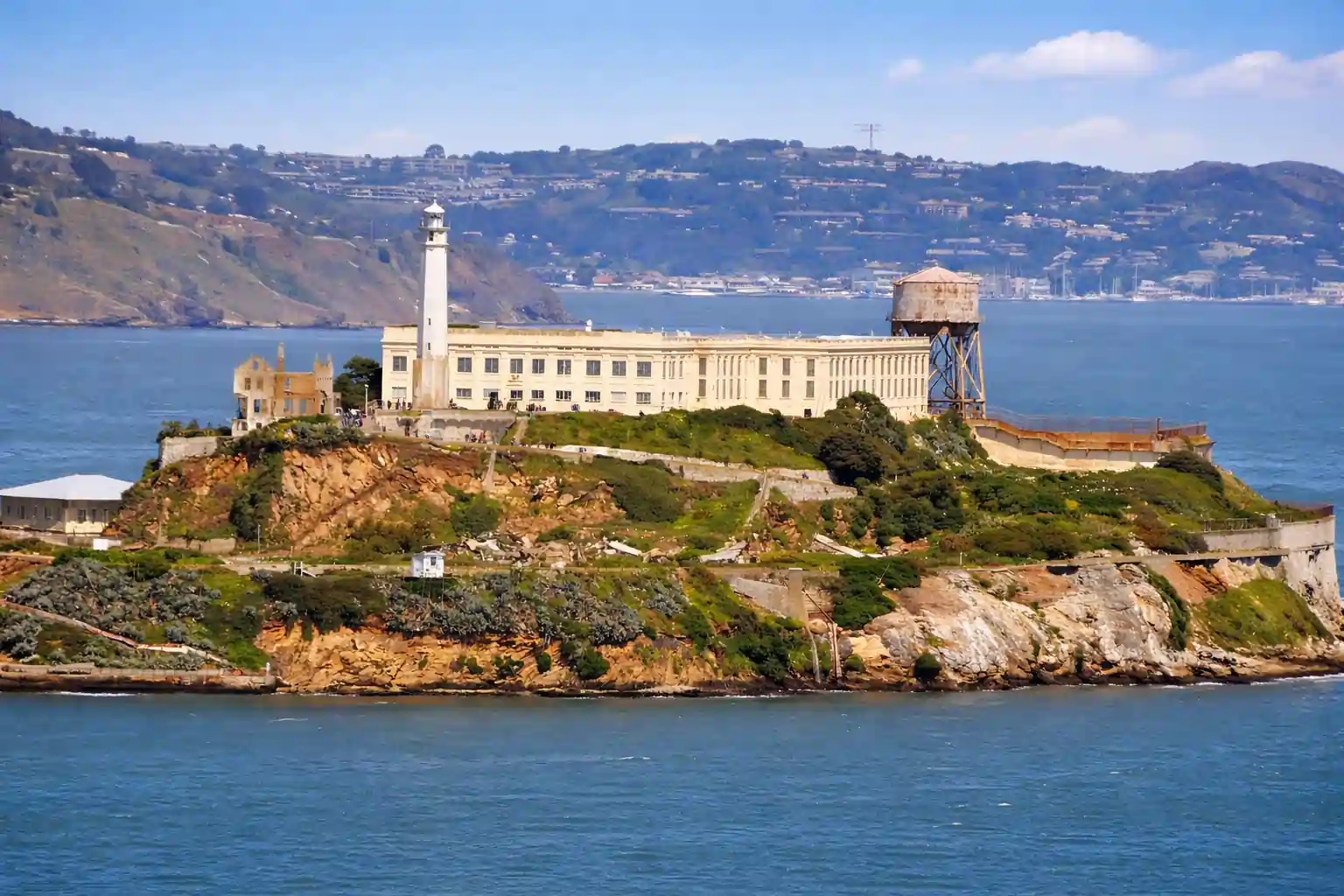
Why Was Alcatraz Built? The Story Behind America's Most Isolated Prison
More Than Just a Prison
Alcatraz is famous as a prison. But it was not built as one.
The island had a completely different purpose long before the Federal Bureau of Prisons arrived, and the journey from its original function to America's most feared penitentiary spans nearly a century. So why was Alcatraz built in the first place? The answer starts with geography, military strategy, and the rapid growth of San Francisco Bay as a Pacific gateway.
The Early Purpose: A Strategic Military Fort
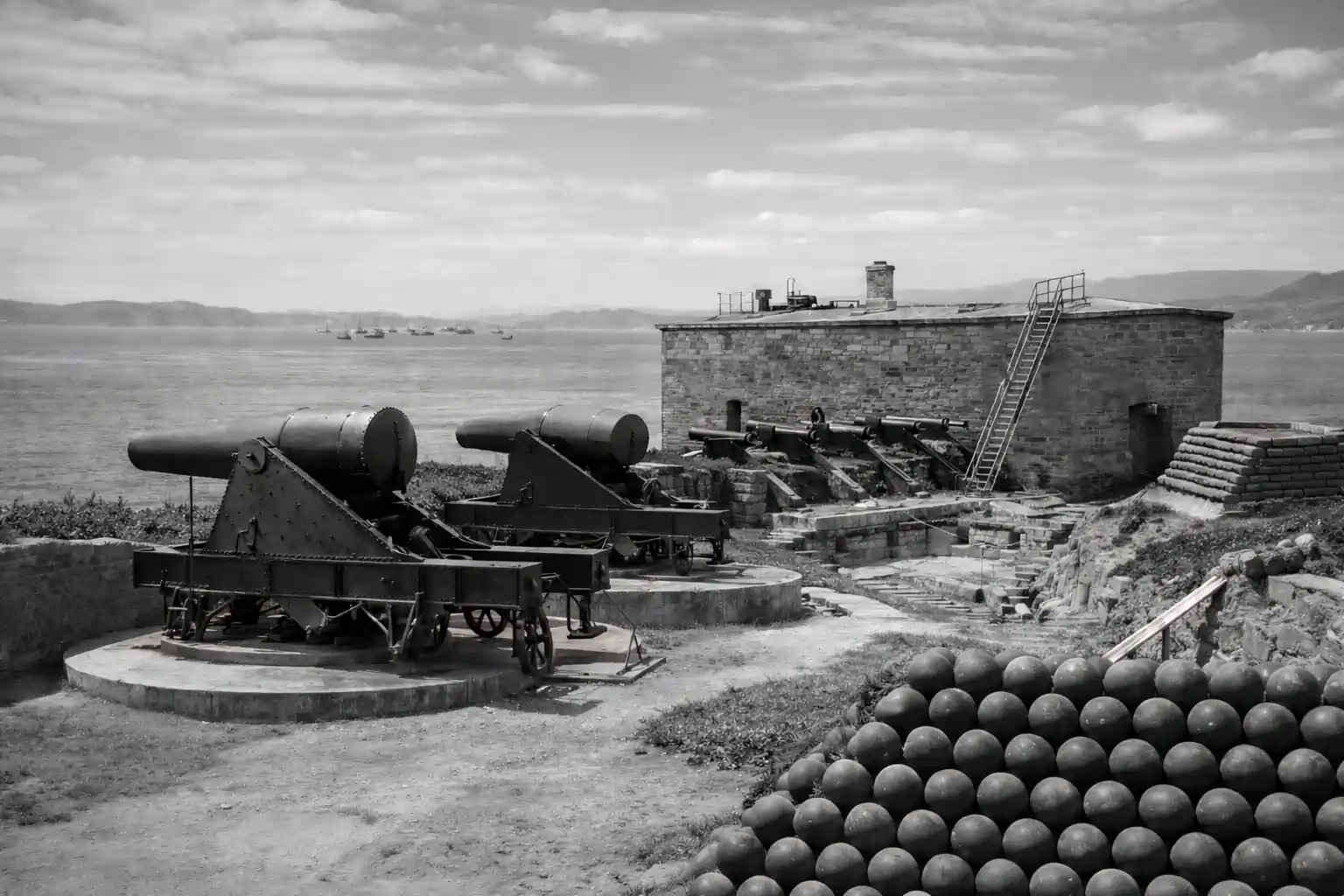
In the late 1840s, the California Gold Rush turned San Francisco from a small settlement into a booming port city almost overnight. The U.S. government recognized the bay as one of the most strategically valuable points on the Pacific coast and moved quickly to protect it.
Alcatraz Island sat at the entrance to San Francisco Bay in a position military engineers immediately valued. Its elevation, central location, and natural isolation from the mainland made it ideal for a coastal defense fort. Any hostile ship entering the bay would have to pass within cannon range of the island.
By 1854, Alcatraz had become the first operational military fortification on the Pacific coast. The lighthouse built the same year was also the first on the Pacific coast. The island was built for defense, not detention, and its isolation was considered an advantage for positioning, not punishment.
From Strategic Fort to Military Prison
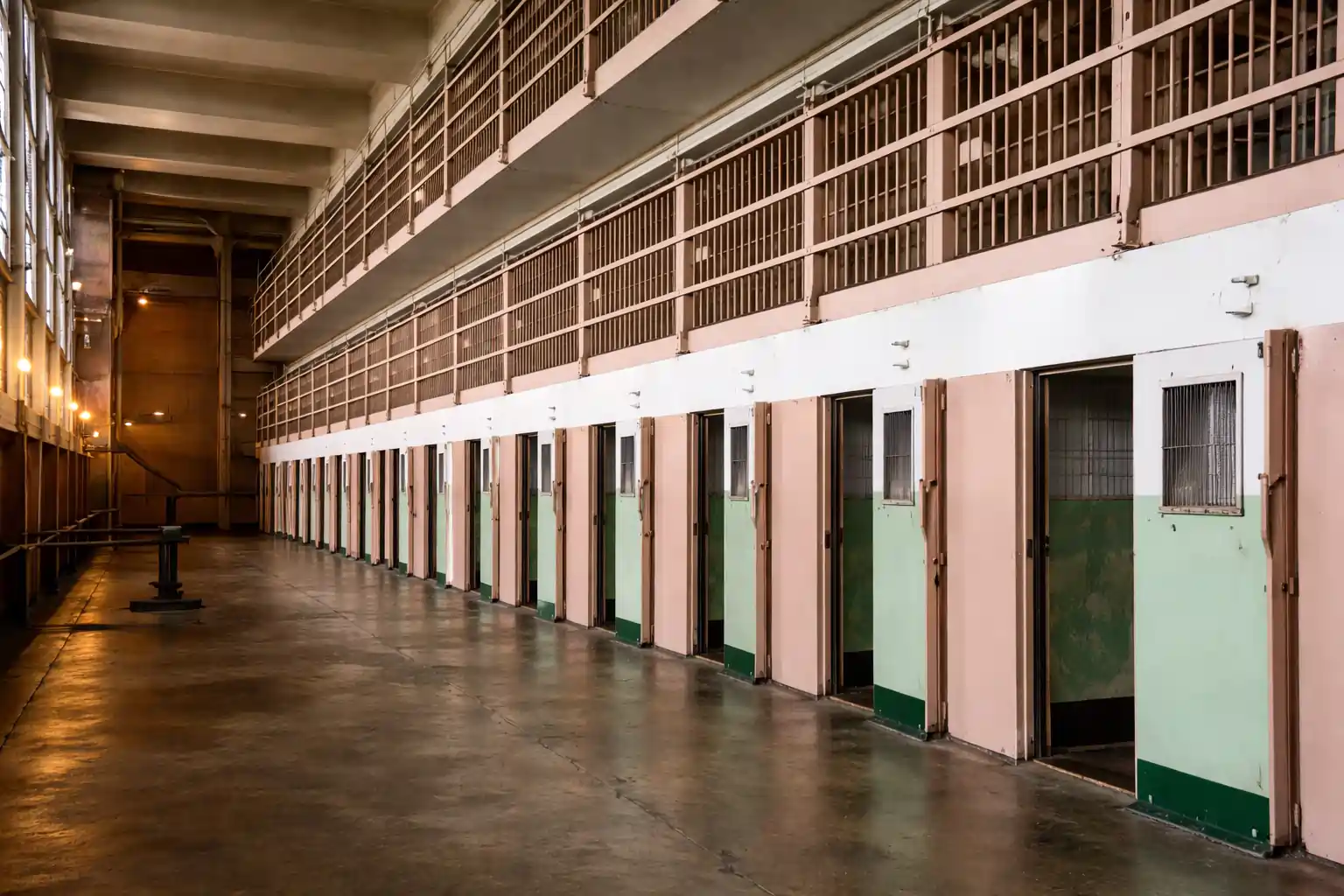
The cannons at Alcatraz were never fired in combat. But the infrastructure the Army built found a new purpose during the Civil War, when the island began holding military prisoners including Confederate sympathizers and soldiers convicted of military offenses.
The same isolation that made the island easy to defend made it equally effective at preventing escape. By the late 1800s, Alcatraz was holding prisoners from the Spanish-American War, and its population grew steadily. In 1907, it was formally designated the Pacific Branch of the U.S. Military Prison.
The defensive fort had become a detention facility, and the island's reputation for holding difficult cases that other facilities could not manage was already taking shape.
Why It Became a Federal Prison in 1934
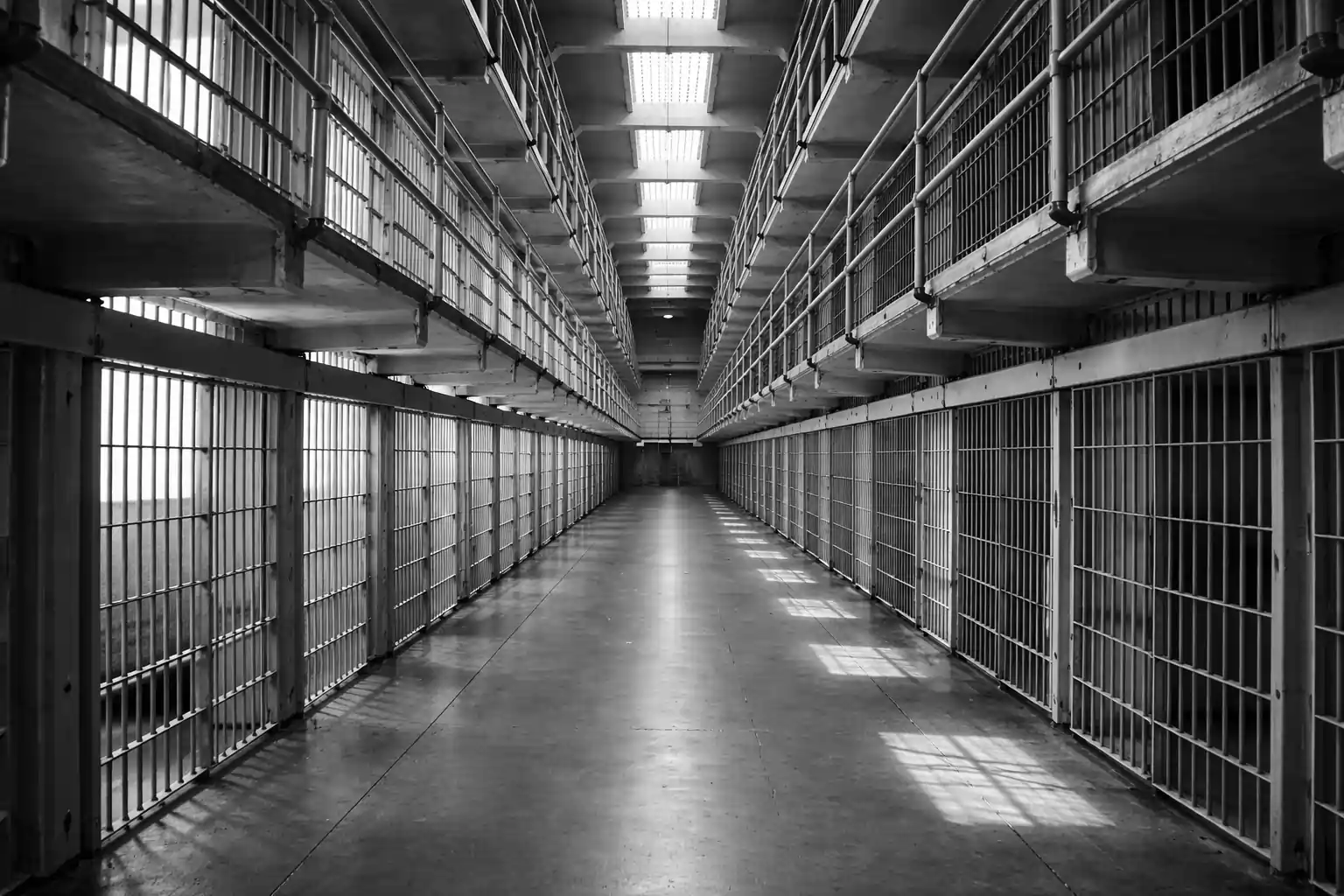
The Prohibition era of the 1920s created organized crime networks that operated openly, corrupted law enforcement, and made the existing prison system look inadequate. Figures like Al Capone and George Machine Gun Kelly were household names, and high-profile criminals were documented running operations from within ordinary prison facilities.
The Federal Bureau of Prisons, established in 1930, needed a facility that could contain the country's most dangerous and high-profile inmates while sending a clear public message. The concept was simple: total isolation, maximum security, zero opportunity for outside influence or escape.
The Army transferred Alcatraz to the Department of Justice in 1934, and the federal penitentiary opened that same year under Warden James A. Johnston. The island already had the infrastructure, the location, and the reputation. The Bureau of Prisons added a philosophy of total control that made Alcatraz unlike anything else in the American prison system.
What Made Alcatraz Different From Other Prisons
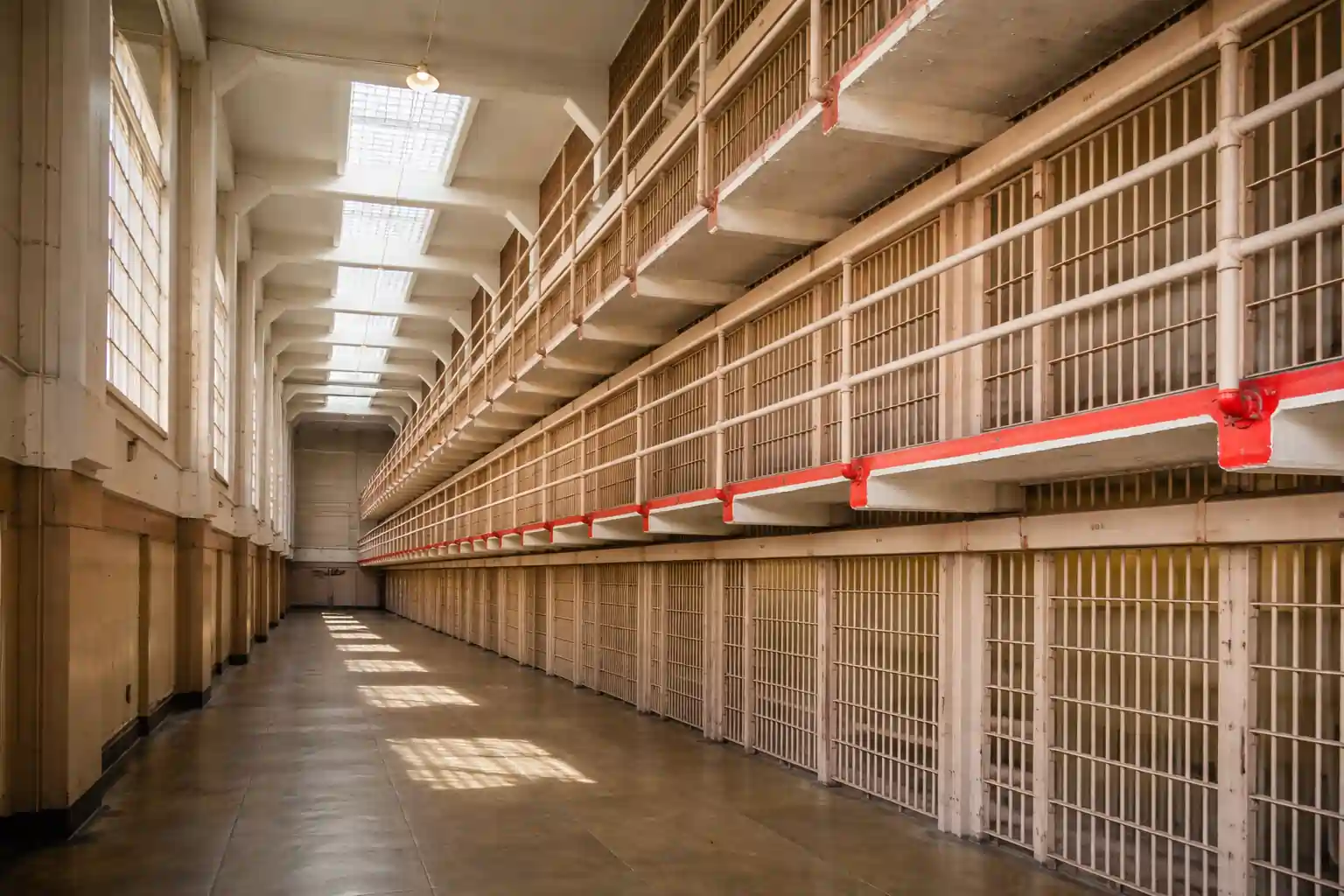
Alcatraz operated on a deliberate inversion of standard prison logic. Inmates were guaranteed only four things: food, clothing, shelter, and medical care. Everything else had to be earned. Work, recreation, library access, and family correspondence were privileges, not rights, and they could be removed at any time.
The cells measured five feet by nine feet. The silence rule, enforced in the early years, required inmates to remain quiet in cell blocks and during meals. The psychological weight of physical confinement combined with enforced silence was understood by prison administrators as a tool for control, not just punishment.
The surrounding bay completed the picture. Water temperatures between 50 and 55 degrees Fahrenheit year-round, combined with strong and unpredictable currents, made the crossing to the mainland genuinely dangerous even for a strong swimmer.
Visitors today learn about these conditions firsthand during an Alcatraz Day Tour, walking through the actual cell blocks where this system of total control was applied to real people.
The Idea of an Escape-Proof Prison
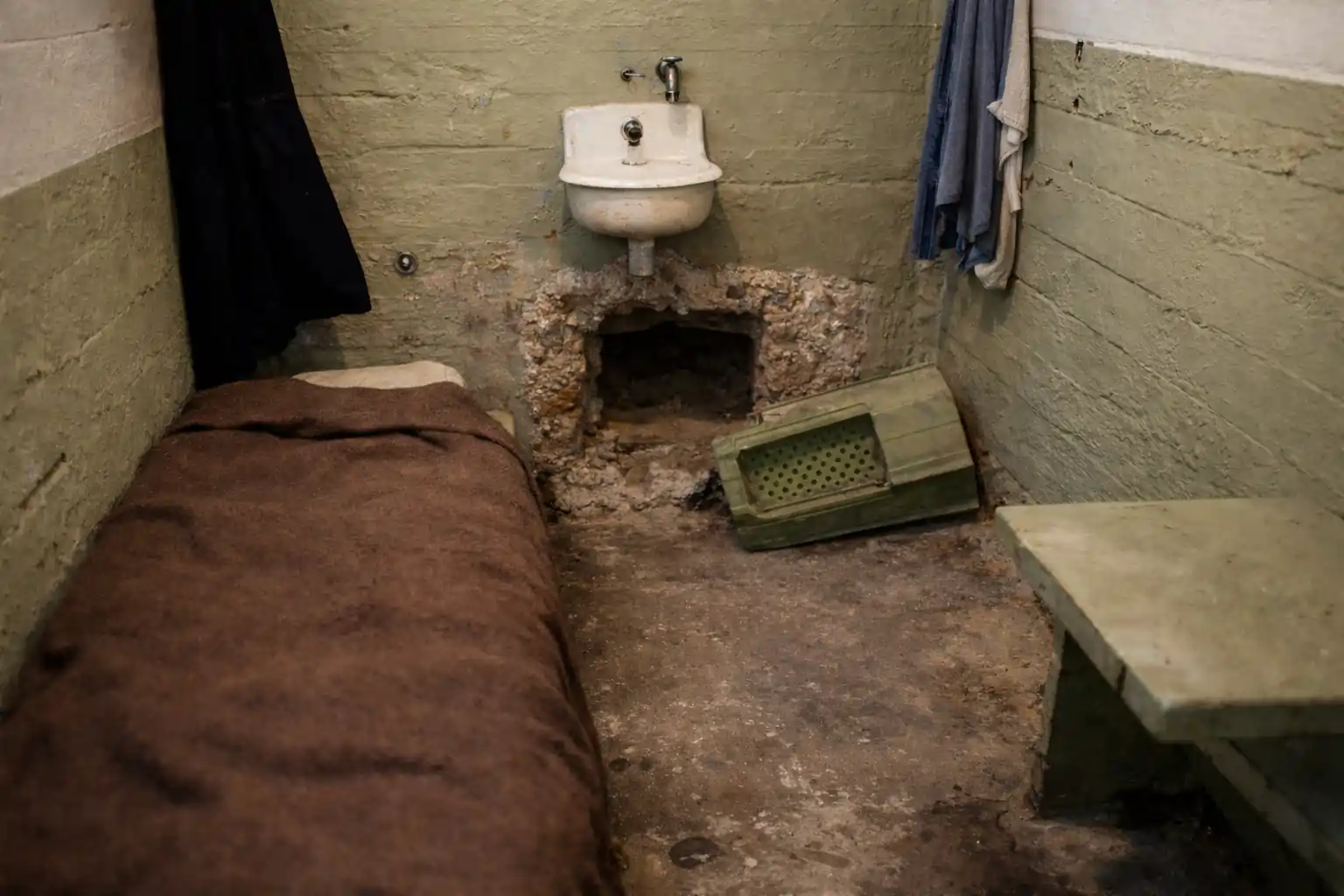
The escape-proof reputation of Alcatraz was built on both real barriers and deliberate messaging. The cold water, strong currents, and island elevation were genuine physical obstacles no other American prison could replicate. But the Bureau of Prisons also understood that reputation itself was a security tool. If inmates believed escape was impossible, attempts would be fewer and less violent.
There were 14 known escape attempts during the prison's 29-year operation. Most failed immediately. Several ended in death. The 1962 escape by Frank Morris and the Anglin brothers, the most carefully planned breakout in Alcatraz Island's history, produced three men who were never found and a question that has never been fully settled.
The FBI closed the case in 1979. The US Marshals Service kept it open far longer. Whether the escape-proof reputation ultimately held remains one of the genuinely unresolved chapters in American criminal history.
Why Alcatraz Was Eventually Closed
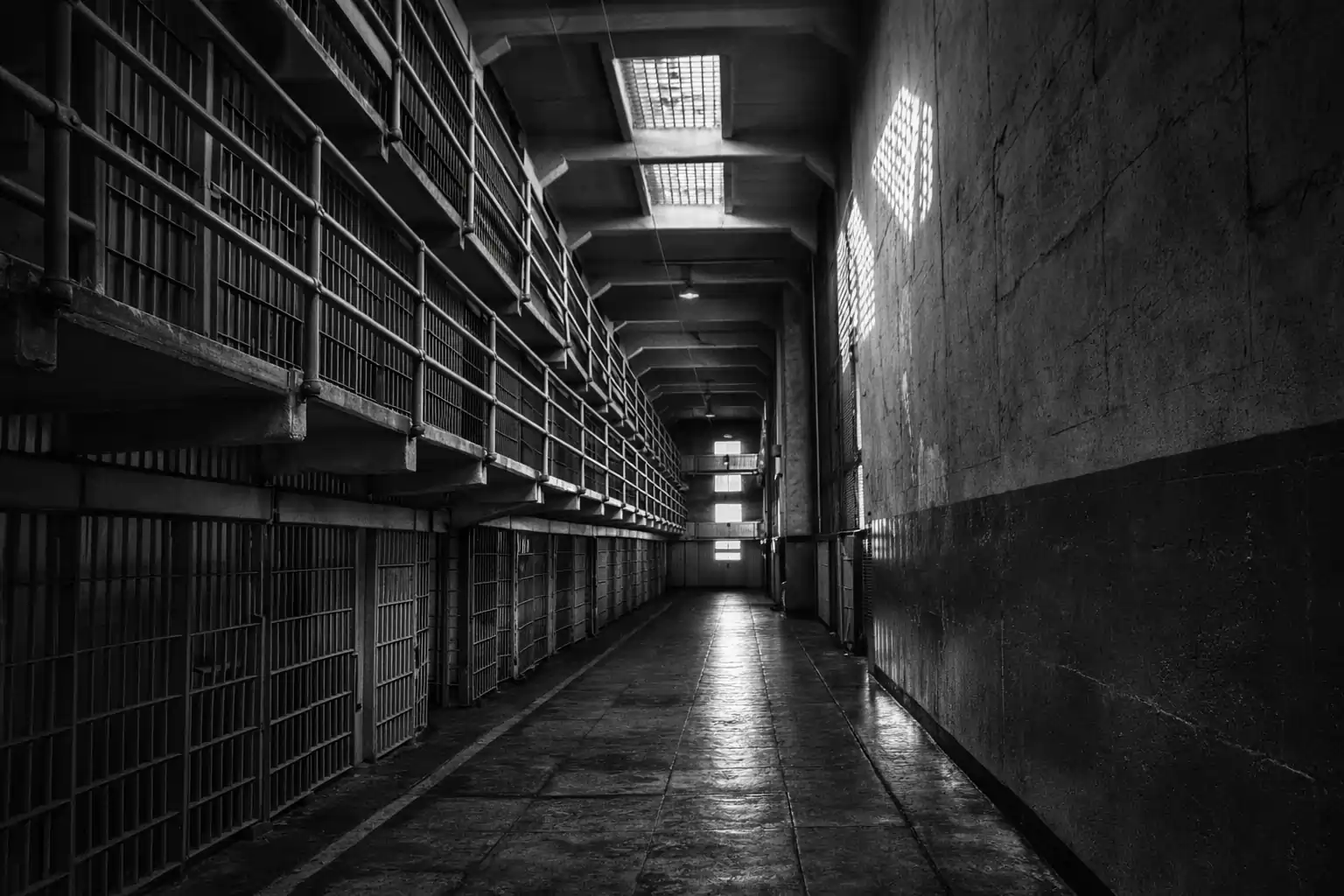
Despite its fearsome reputation, Alcatraz was expensive to run and increasingly difficult to justify financially. By the early 1960s, the cost of operating the island prison was nearly three times higher per inmate than any comparable federal facility on the mainland.
The core problem was logistics. Everything the island needed had to be transported by boat. Food, supplies, fresh water, building materials, and staff all required ferry crossings. The salt air and bay weather accelerated the deterioration of the aging structures, and the repair bills were constant and significant.
A 1963 report commissioned by Attorney General Robert F. Kennedy confirmed what prison administrators already knew. The infrastructure was failing, the costs were unsustainable, and rebuilding Alcatraz to modern standards would require more money than constructing an entirely new facility elsewhere.
Warden Olin Blackwell oversaw the final closure on March 21, 1963. The remaining 27 inmates were transferred to other federal facilities, and the island was vacated. Exploring the deteriorating infrastructure today during a Behind the Scenes Tour makes the closure decision immediately understandable. The scale of decay visible in areas outside the standard visitor route tells the financial story more clearly than any document.
Alcatraz Today: From Isolation to Attraction
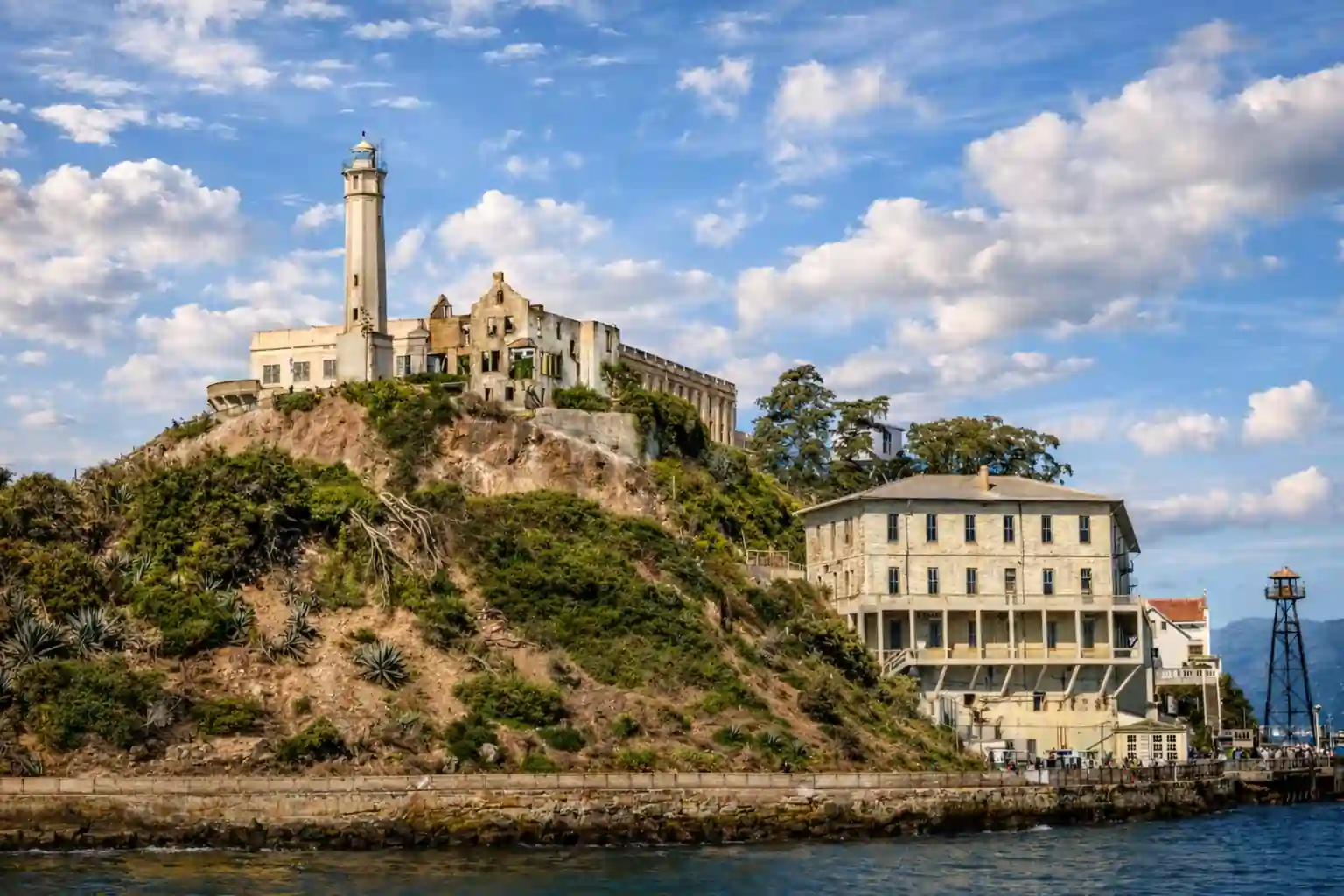
After the prison closed, the island sat largely abandoned until 1969, when a group of Native American activists occupied it for 19 months, claiming the land under a federal treaty. The occupation drew national attention and became one of the most significant moments in the Native American civil rights movement. Its legacy remains a visible and acknowledged part of the island's identity today.
The National Park Service took control of Alcatraz in 1972, incorporating it into the Golden Gate National Recreation Area. Restoration and preservation work began, and the island opened to the public shortly after.
Today Alcatraz receives nearly 1.5 million visitors annually, making it one of the most visited historic sites in the United States. The cellhouse, the gardens, the escape attempt exhibits, and the island's natural landscape all draw visitors who arrive expecting a prison tour and leave having experienced something considerably more layered.
For a more immersive experience, many travelers choose the Alcatraz Night Tour, which transforms the atmosphere entirely. Smaller groups, quieter corridors, and the glow of San Francisco across the dark bay create a version of the island that the daytime visit cannot replicate.
Timeline Summary: Alcatraz From Fort to Landmark
1847 — The United States takes possession of Alcatraz Island following the Mexican-American War.
1850 — President Millard Fillmore signs an order reserving the island for military use.
1854 — First lighthouse on the Pacific coast was built on Alcatraz. Military fortification completed and operational.
1861 — Civil War begins. Alcatraz starts holding military prisoners, including Confederate sympathizers.
1898 — Spanish-American War. The prison population grows significantly with military detainees.
1907 — Alcatraz officially designated the Pacific Branch of the U.S. Military Prison.
1912 — Large military prison building constructed, which later became the main cellhouse.
1930 — Federal Bureau of Prisons established. Planning begins for a maximum-security federal penitentiary.
1934 — Army transfers Alcatraz to the Department of Justice. Federal Penitentiary opens under Warden James A. Johnston.
1946 — The Battle of Alcatraz. A failed escape attempt results in a two-day armed siege leaving two guards and three inmates dead.
1962 — Frank Morris and the Anglin brothers execute the most elaborate escape in the prison's history. Their fate remains unknown.
1963 — Federal Penitentiary closes on March 21 due to unsustainable operating costs.
1969 — Native American activists occupy the island for 19 months under the banner Indians of All Tribes.
1972 — National Park Service takes control. Alcatraz incorporated into the Golden Gate National Recreation Area.
1973 — Island opens to the public for the first time.
Today — Nearly 1.5 million visitors per year make Alcatraz one of the most visited historic sites in the United States.
Did You Know? Facts About Alcatraz Most Visitors Never Learn
Alcatraz Island was named by Spanish explorer Juan Manuel de Ayala in 1775. He called it La Isla de los Alcatraces, meaning Island of the Pelicans, after the seabirds he observed nesting there.
The island's fresh water had to be shipped in by boat throughout most of its history. Alcatraz had no natural freshwater source, and at its peak the island required nearly one million gallons of water transported monthly.
Al Capone played banjo in the prison band, known as the Rock Islanders. Music was one of the few privileges available to compliant inmates, and Capone reportedly practiced for hours in his cell.
The prison's famous rule of silence, enforced during meals and in cell blocks in the early years, was eventually relaxed after psychologists raised concerns about its effect on inmate mental health.
Robert Stroud, known as the Birdman of Alcatraz, never actually kept birds on the island. He earned the nickname from his time at Leavenworth Federal Penitentiary, where he studied and wrote about birds. At Alcatraz he was held in isolation and had no birds at all.
The escape attempt by Frank Morris and the Anglin brothers in 1962 took nearly a year of planning. The papier-mache dummy heads they left in their beds to fool overnight guards were so convincing that the escape was not discovered until the following morning.
Alcatraz was never at full capacity during its operation as a federal penitentiary. The maximum population was around 302 inmates, but the average daily population hovered closer to 260.
The island's native plant restoration has brought back over 130 plant species that were present before European settlement, making Alcatraz one of the most significant urban restoration projects in the San Francisco Bay region.
Understanding Alcatraz Today
Alcatraz was built to defend a bay, adapted to hold soldiers, repurposed to contain criminals, and ultimately preserved as a landmark. Each layer of that history sits on top of the last, and all of them are visible if you know where to look.
The island's story is not simply about punishment or isolation. It is about how a piece of land in the middle of San Francisco Bay became, at different points in history, a military priority, a federal solution, a symbol of American justice, and eventually a place that millions of people travel from around the world to experience in person.
That trajectory, from cannon fort to tourist destination, is as unlikely as the island's position in the bay. And it is exactly what makes Alcatraz worth visiting with curiosity rather than simply ticking off a landmark.
Book your Alcatraz visit early. Walk the cellhouse, listen to the audio tour, and step outside onto the island itself. The history is in the walls, but the full story is in the landscape around them.
Frequently Asked Questions
Why was Alcatraz originally built? ▾
When did Alcatraz become a prison? ▾
Why was Alcatraz chosen as a federal prison? ▾
Who were the most famous inmates at Alcatraz? ▾
Was Alcatraz truly escape-proof? ▾
Why did Alcatraz close? ▾
What happened to Alcatraz after the prison closed? ▾
How long did Alcatraz operate as a federal prison? ▾
How many people were held at Alcatraz in total? ▾
What is the meaning of the name Alcatraz? ▾
Adrian Davis
Published on Alcatraz Tickets