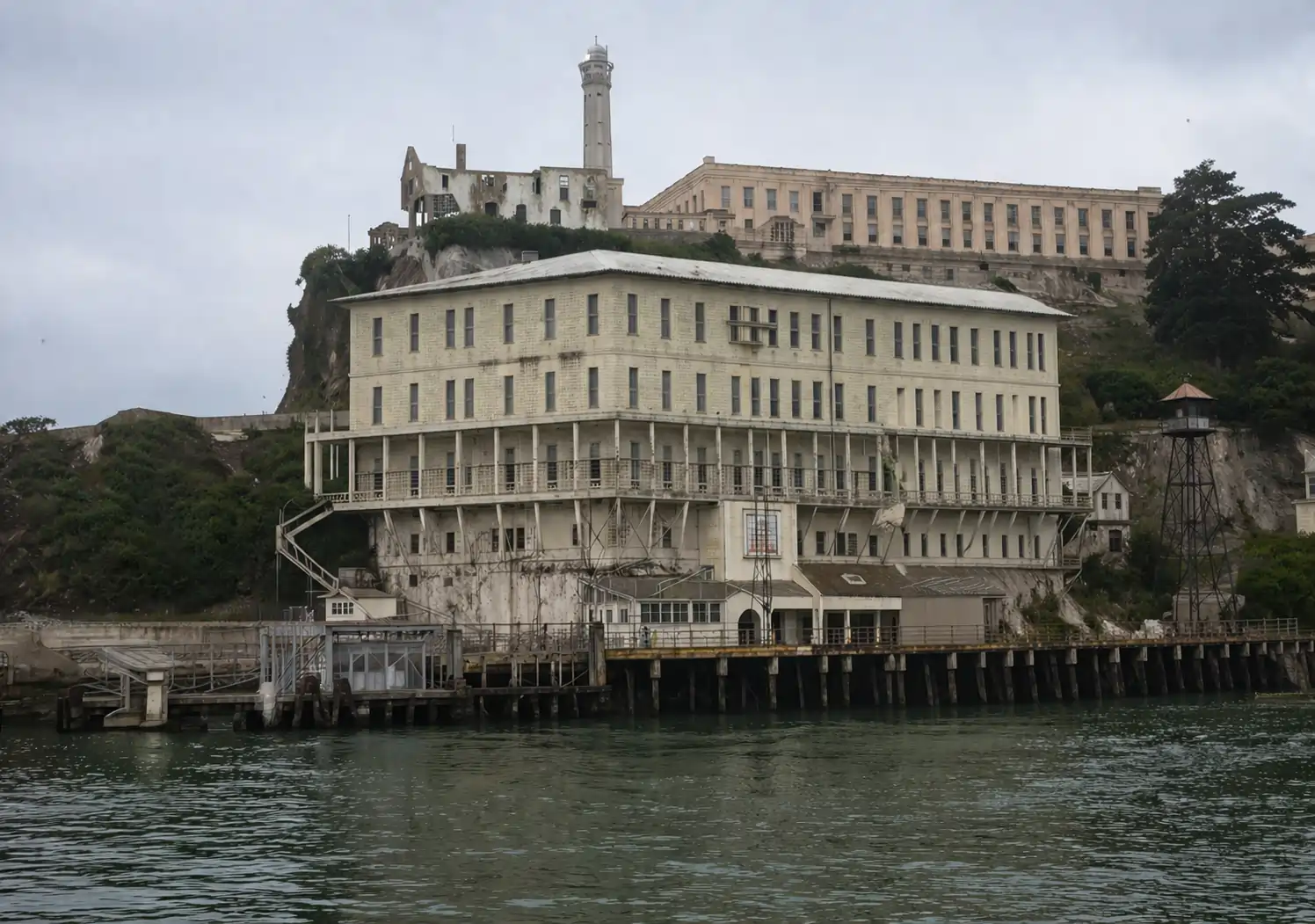
Why Did Alcatraz Close? The Real Story Behind Its Shutdown
Alcatraz operated as a federal penitentiary for less than 30 years. For a prison built to be permanent, inescapable, and the definitive answer to America's most dangerous criminals, that is a surprisingly short run.
The island had housed Al Capone, survived escape attempts, and earned a global reputation as the most feared prison in the United States. And then, quietly, it simply closed. No dramatic final incident, no high-profile escape, no public scandal.
Just a decision driven by numbers and practicality that brought one of history's most iconic institutions to an end.
So why did such a high-security prison shut down? The answer is less dramatic than the prison's reputation suggests, but no less interesting.
When Did Alcatraz Close?
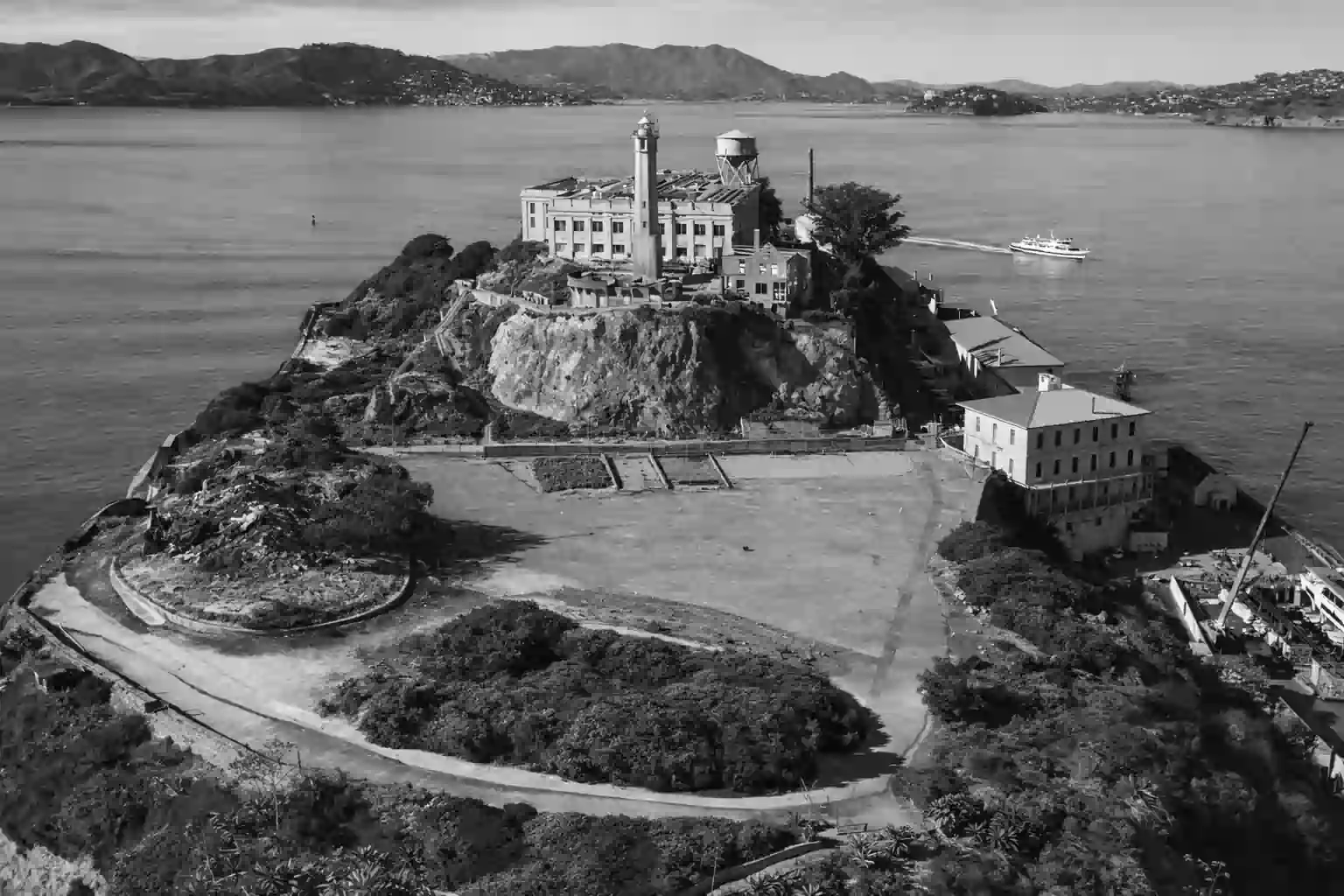
Alcatraz Federal Penitentiary officially closed on March 21, 1963. On that date, the remaining 27 inmates were transferred to other federal facilities across the country, the staff departed, and the island was vacated.
The closure was ordered by Attorney General Robert F. Kennedy following a detailed report that confirmed what prison administrators had been warning for years. The cost of running Alcatraz was unsustainable, the infrastructure was failing, and rebuilding the facility to modern standards would cost more than constructing an entirely new prison on the mainland.
The prison had operated for exactly 29 years under federal management, from its opening in 1934 to its closure in 1963. In that time it held approximately 1,576 inmates and became one of the most recognized institutions in American history.
Its closure marked the end of an era in federal corrections, though the island itself was far from finished with its role in American history.
The Main Reason: High Operating Costs
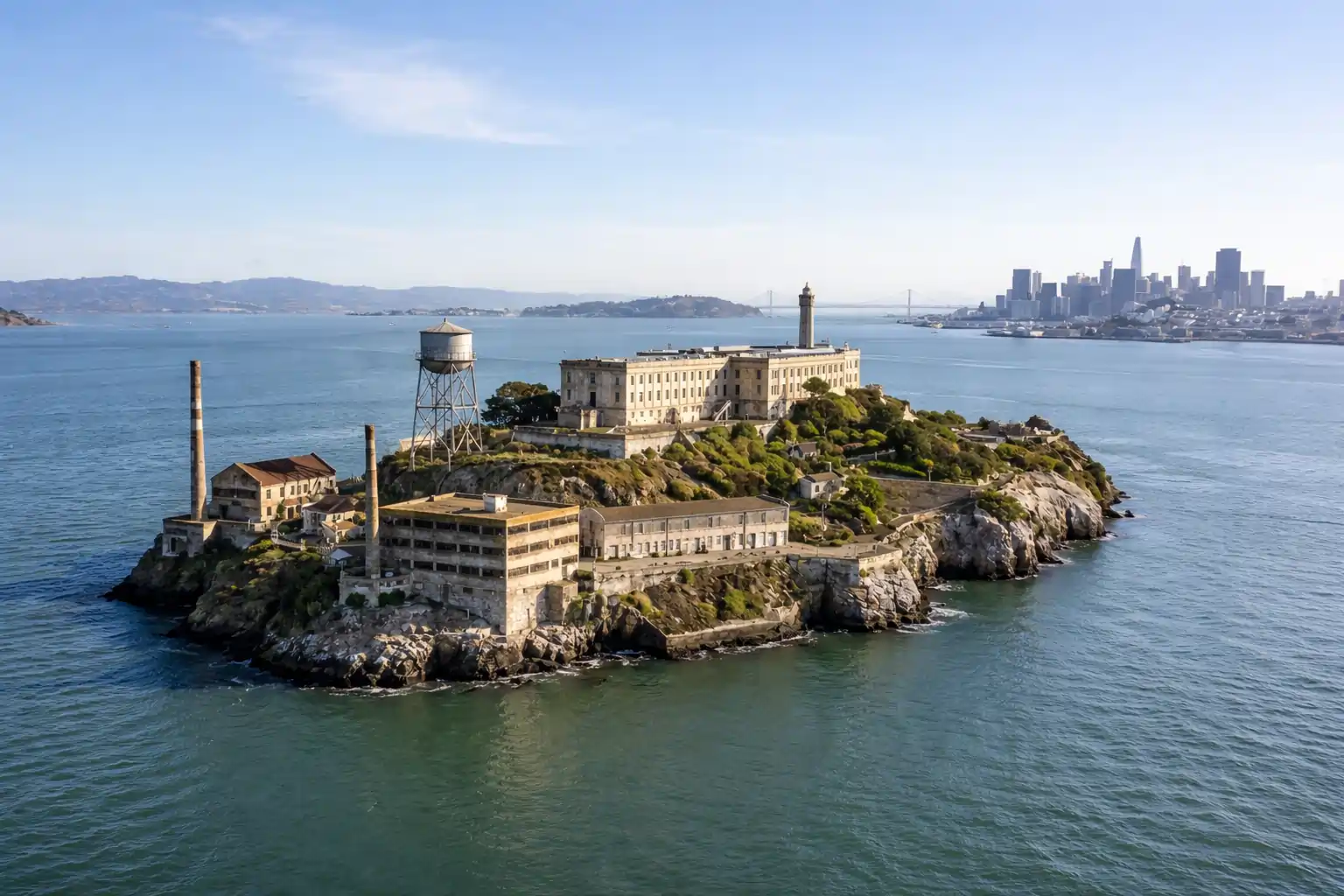
The single most significant factor behind the closure of Alcatraz was money. Running a prison on an island in the middle of San Francisco Bay was, from a purely logistical standpoint, extraordinarily expensive.
Every resource the island required had to be transported by ferry. Food, medical supplies, building materials, fuel, fresh water, and staff all arrived by boat and departed the same way. There was no pipeline to the mainland, no road access, no infrastructure connection of any kind.
The island existed entirely on what the ferry brought to it.
By the early 1960s, the cost of housing a single inmate at Alcatraz was nearly three times higher than at comparable mainland federal facilities. The government was spending significantly more money to incarcerate fewer people in worse conditions than newer, better-equipped prisons could manage at a fraction of the cost.
The economic argument against keeping Alcatraz open was straightforward and difficult to counter. The prison's symbolic value was real, but symbolism does not justify a budget that cannot be defended.
Isolation Became a Disadvantage
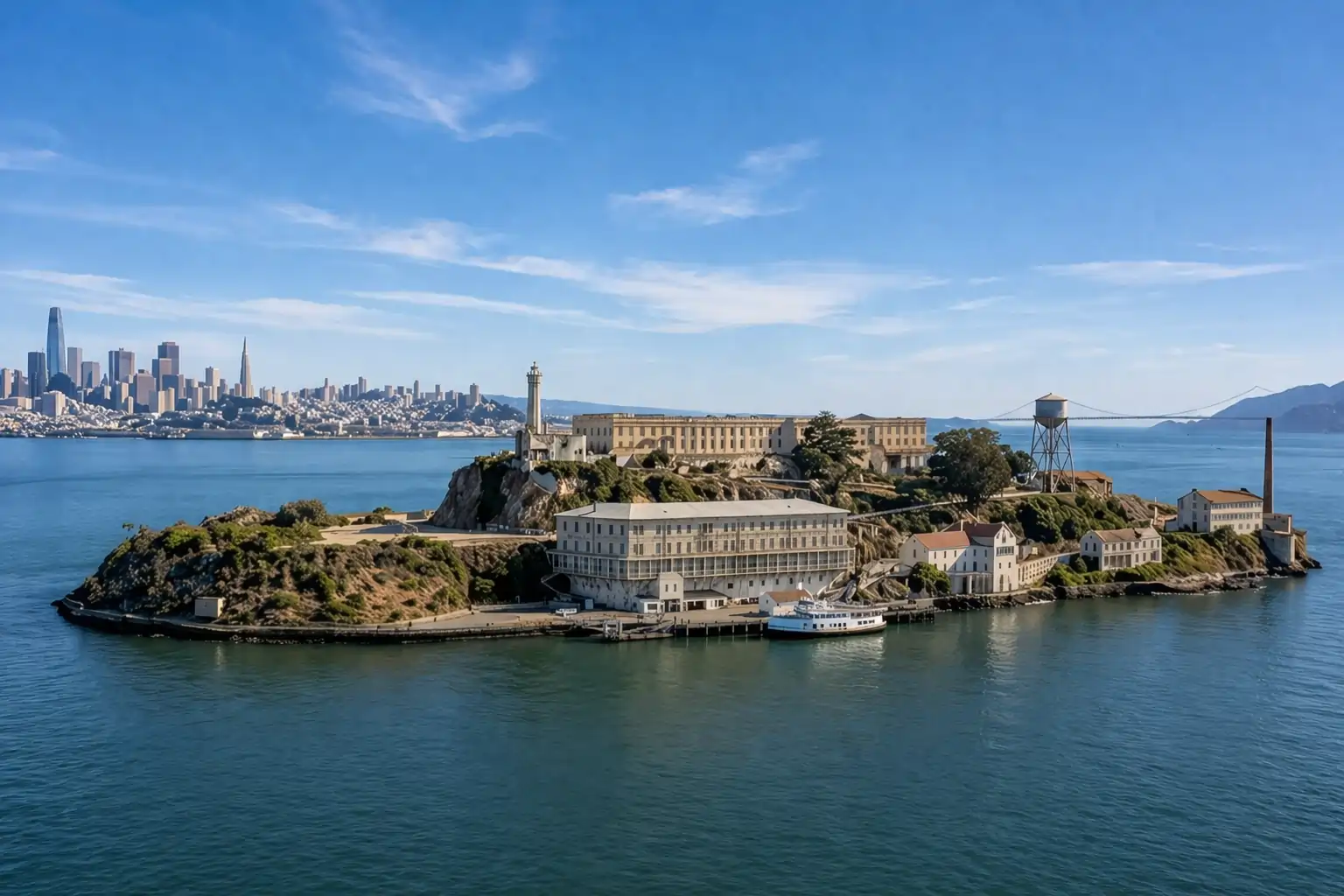
The same isolation that made Alcatraz an effective maximum-security facility created operational problems that compounded over time.
Staffing was a persistent challenge. Correctional officers and their families lived on the island as a condition of employment, which created a self-contained residential community with its own logistical demands. School-age children were ferried to San Francisco each day, and even basic needs like groceries or medical care required regular boat trips.
The pool of candidates willing to accept those conditions was naturally smaller than for mainland prisons, making recruitment and retention increasingly difficult as the prison aged.
Expansion was essentially impossible. The island’s physical footprint placed a hard limit on capacity, and there was no room to grow even if funding had been available. Mainland prisons could expand and adapt; Alcatraz could not.
The isolation that once made it secure had quietly become its biggest limitation.
Infrastructure Problems and Deterioration
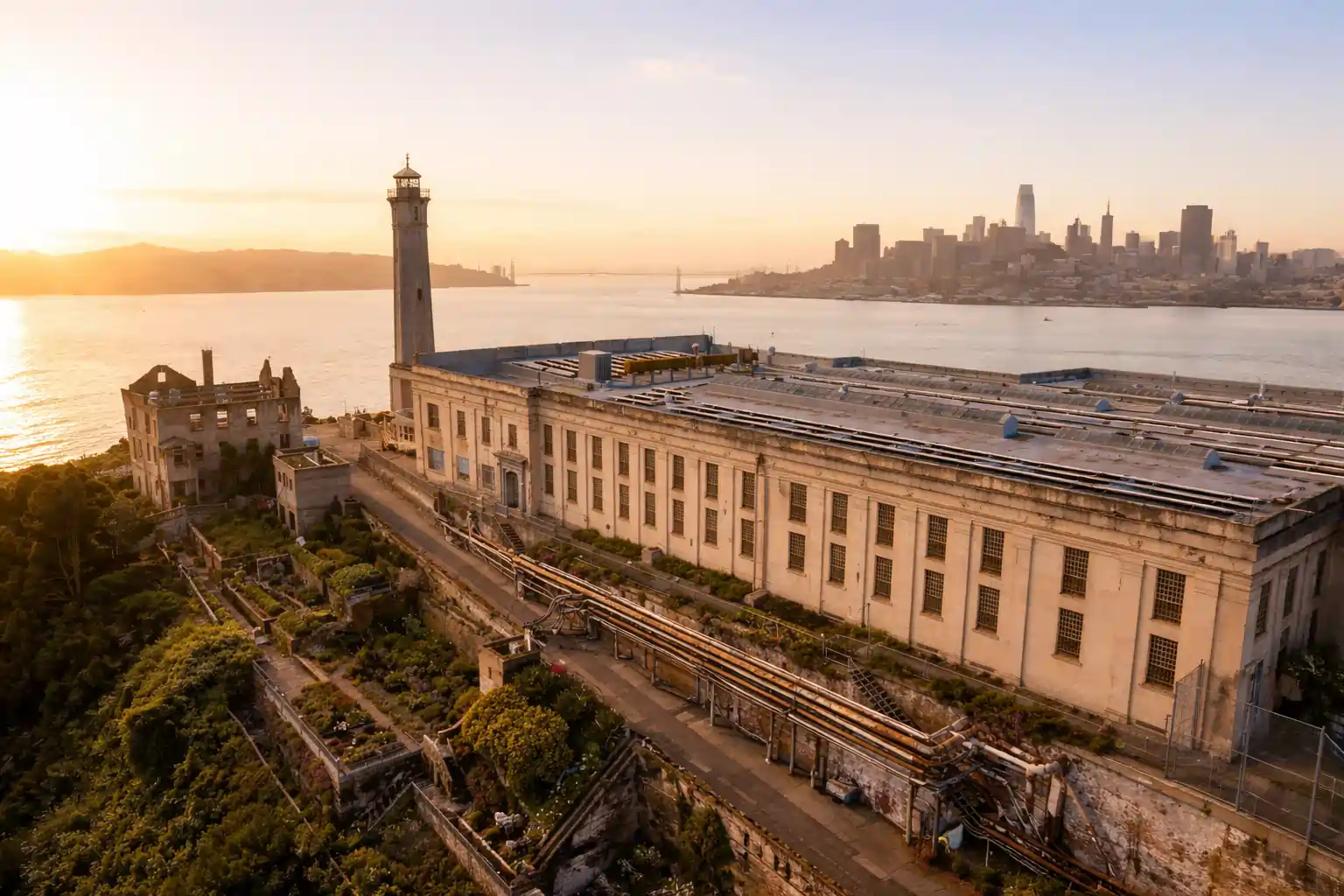
The buildings at Alcatraz were aging badly by the time the closure decision was made, largely due to the harsh bay environment.
Salt air and constant moisture accelerated the deterioration of concrete, metal, and masonry at a much faster rate than similar structures on the mainland. The cellhouse, residential quarters, and support buildings all required continuous repair just to remain functional.
The main cellhouse, built in 1912, was more than 50 years old and had not been designed for long-term intensive use. By the 1960s, critical systems—including plumbing, electrical networks, and structural components—were all nearing the end of their lifespan at the same time.
A 1962 report concluded that restoring the prison to modern standards would require an investment too large to justify, especially given the island’s limitations. That report directly led to the decision to close the facility.
Visitors today can still see clear signs of this deterioration throughout the island. The peeling walls, rusted fixtures, and visible decay are not just atmospheric—they are physical evidence of the issues that ultimately shut the prison down.
Changing Prison Philosophy in the United States
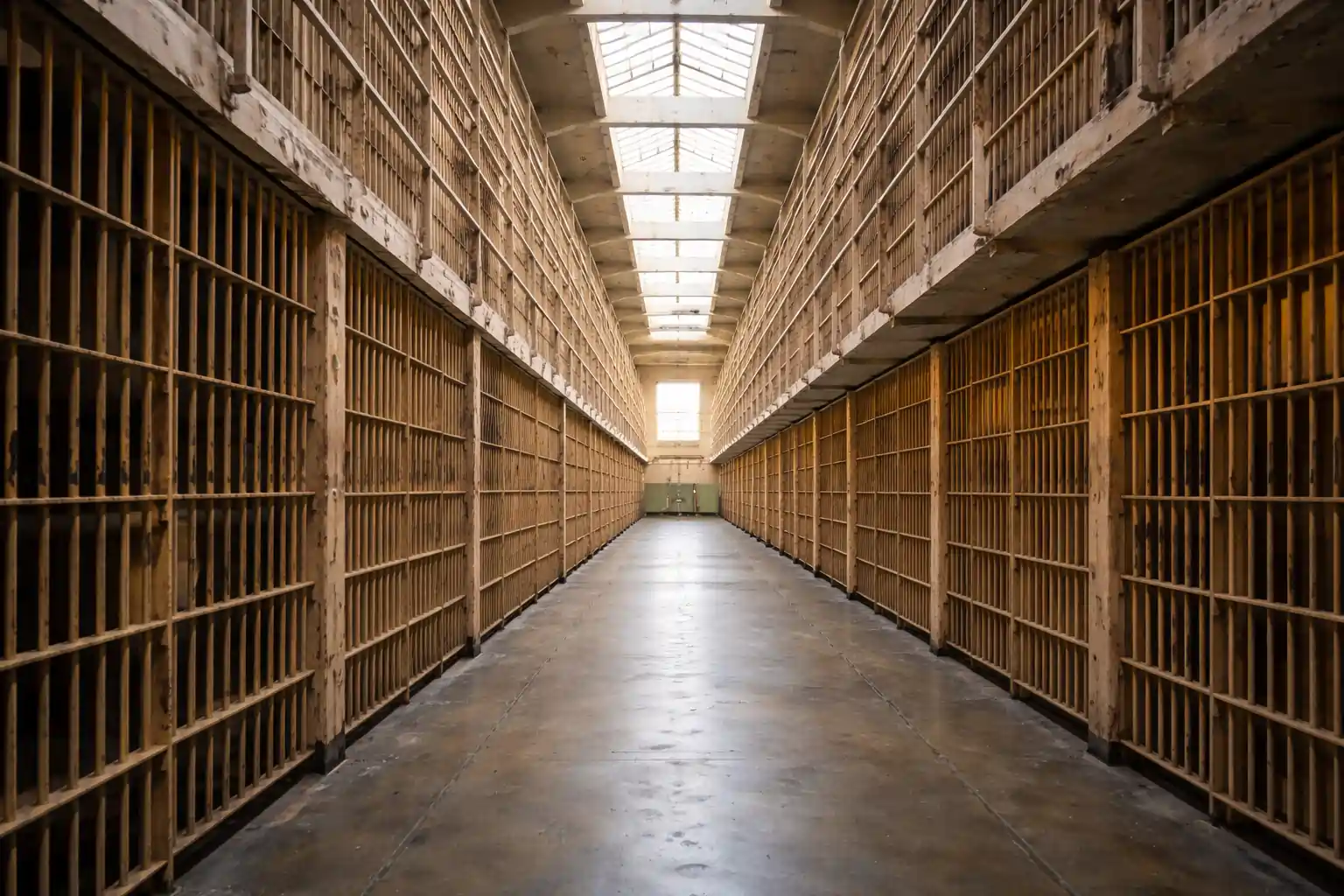
The closure of Alcatraz also reflected a broader shift in how the American correctional system viewed punishment and rehabilitation.
The prison was built on a model of strict isolation, maximum control, and punishment-first thinking. However, by the late 1950s and early 1960s, this approach was increasingly criticized by criminologists and psychologists.
New research highlighted the negative mental health effects of prolonged isolation, making facilities like Alcatraz harder to justify ethically.
At the same time, newer prisons were being designed with rehabilitation in mind. These facilities offered educational programs, vocational training, and more structured social environments, something Alcatraz could not support due to both its design and location.
Compared to these modern alternatives, Alcatraz became outdated in both philosophy and function.
What Happened After Alcatraz Closed?
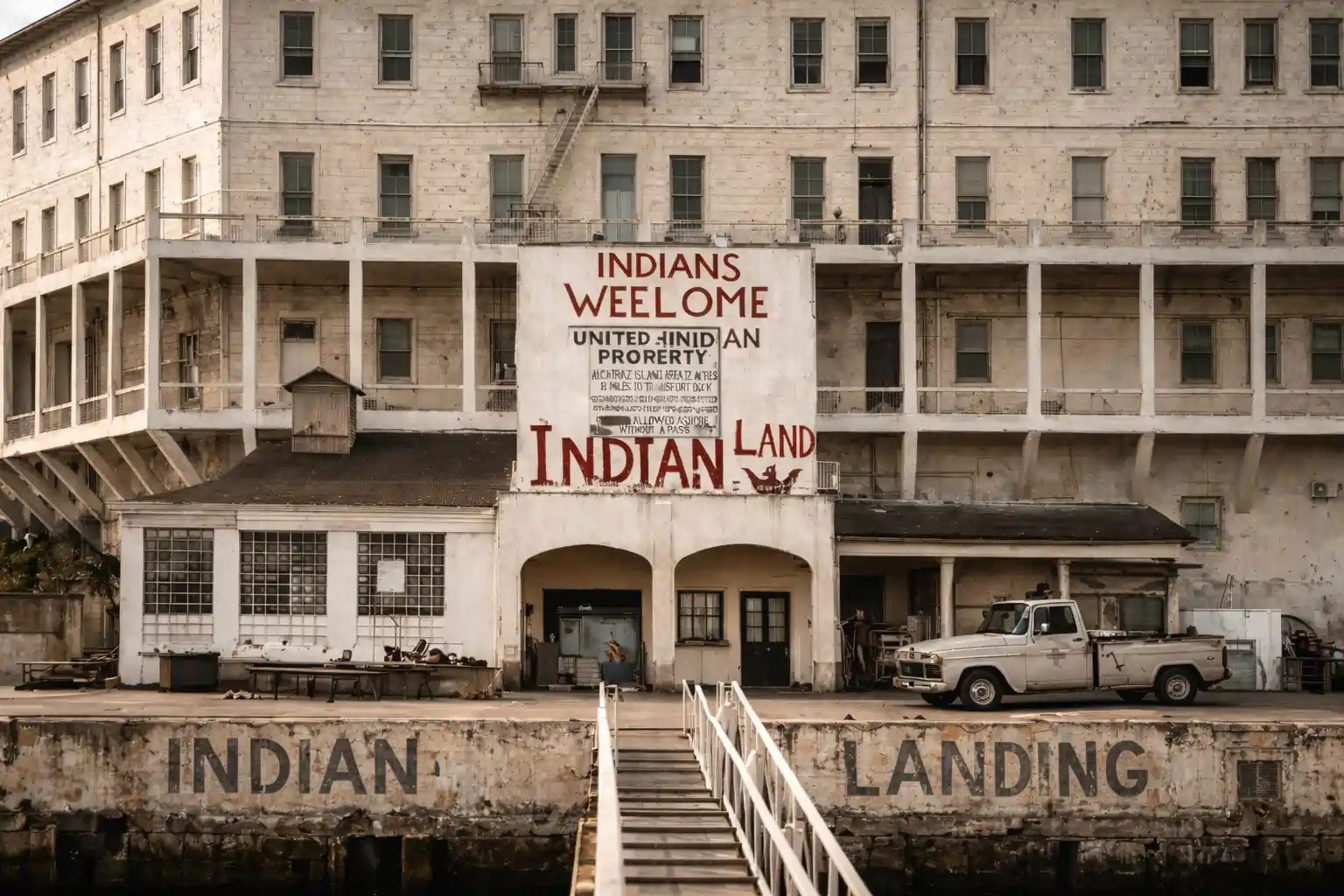
After the prison closed in 1963, the island entered a period of uncertainty. It remained under federal ownership but had no clear purpose, and for several years it was largely abandoned.
Various proposals were considered during the mid-1960s, including commercial developments and monuments, but none moved forward.
Everything changed in November 1969, when a group of Native American activists known as Indians of All Tribes occupied the island. Citing an 1868 treaty, they claimed the land and remained there for 19 months.
The occupation drew national attention and became a defining moment in Native American civil rights history. At its peak, over 400 people lived on the island.
Although the occupation ended in June 1971, its impact was long-lasting. It is now recognized as a turning point in the Native American rights movement and remains an important part of Alcatraz’s story.
Alcatraz Today: From Prison to Public Landmark
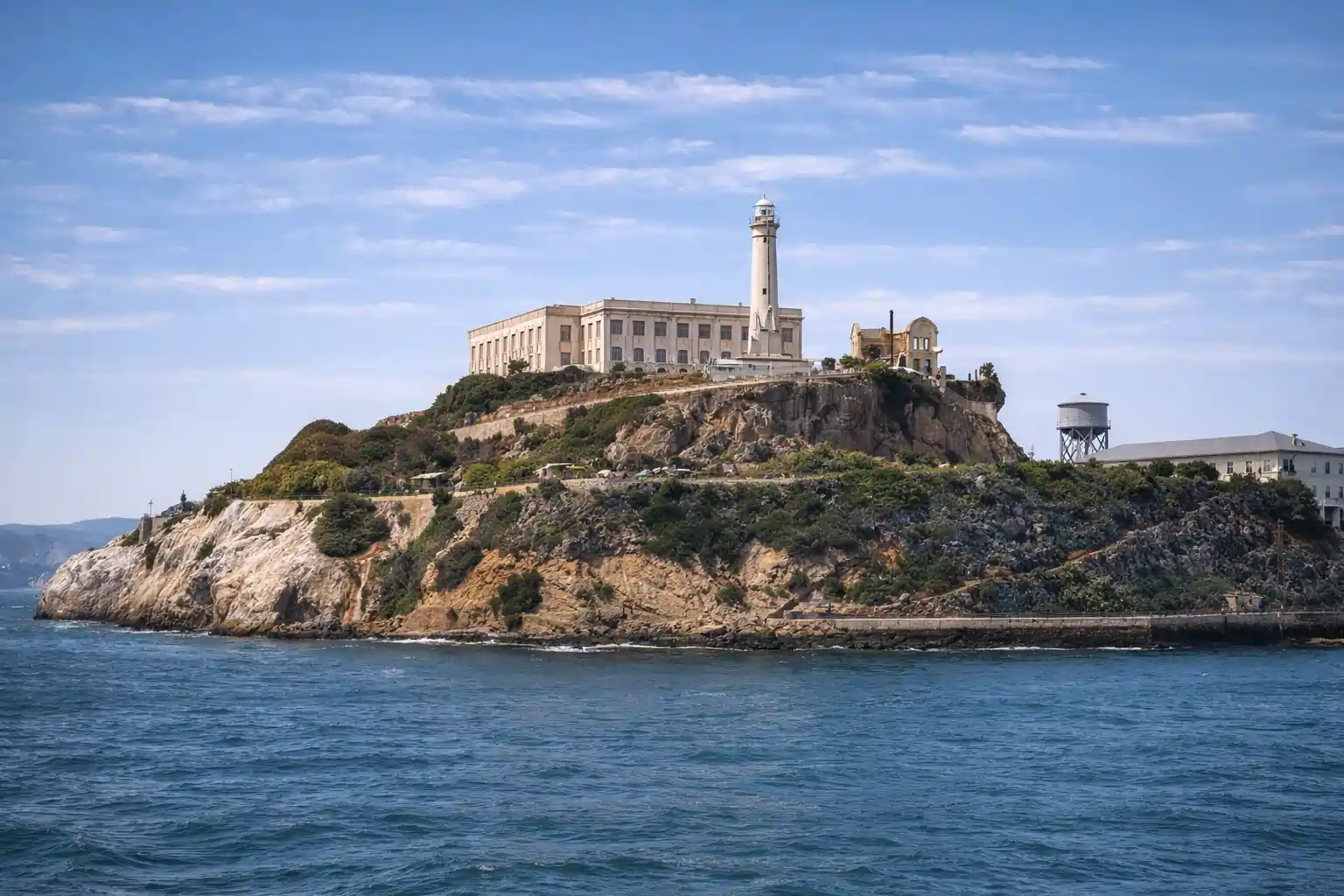
The National Park Service took control of Alcatraz in 1972, integrating it into the Golden Gate National Recreation Area. The island opened to the public the following year.
Today, Alcatraz attracts nearly 1.5 million visitors annually, making it one of the most visited historic sites in the United States. Ferries run daily, and tickets often sell out in advance.
The island is preserved in a state of controlled decay, allowing visitors to experience it as it was rather than as a restored museum. This approach adds to its authenticity and atmosphere.
Beyond the prison, Alcatraz now includes restored gardens, historic ruins, and thriving seabird colonies. Its identity has evolved from a high-security prison into a layered historical landmark that reflects multiple chapters of American history.
Many visitors find the experience even more powerful at night, when the quieter setting and darker atmosphere offer a completely different perspective on the island.
Alcatraz Closure: Timeline at a Glance
1934 — Federal Penitentiary opens under Warden James A. Johnston. First inmates arrive in August.
1946 — The Battle of Alcatraz. A failed escape attempt leads to a two-day armed confrontation, leaving five people dead.
Early 1960s — Operating costs reach nearly three times those of comparable mainland facilities. Infrastructure reports flag unsustainable deterioration.
1962 — Frank Morris and the Anglin brothers execute the most elaborate escape attempt in the prison's history. They are never found.
1962 — Internal federal report recommends closure and transfer of inmates to mainland facilities.
March 21, 1963 — Federal Penitentiary officially closes. The remaining 27 inmates transferred. Staff and families depart.
1963 to 1969 — Island sits largely abandoned. The federal government evaluates proposals for future use, none of which proceed.
November 1969 — Indians of All Tribes occupy Alcatraz Island, citing federal treaty rights.
June 1971 — Federal marshals end the 19-month occupation. Island returned to federal control.
1972 — National Park Service incorporates Alcatraz into the Golden Gate National Recreation Area.
1973 — Island opens to the public for the first time as a visitor destination.
Today — Nearly 1.5 million annual visitors make Alcatraz one of the most visited historic sites in the United States.
Top Facts About the Closure of Alcatraz
The closure of Alcatraz was not triggered by any single dramatic event. It was a financial and logistical decision made incrementally over several years as the cost burden became impossible to justify.
At the time of closure, Alcatraz was the most expensive federal prison to operate in the United States, costing nearly three times more per inmate than the national average for federal facilities.
The island had no natural source of fresh water throughout its entire operational history. Every drop used by inmates, staff, and their families was transported by boat from the mainland, contributing significantly to the operating cost.
Attorney General Robert F. Kennedy personally ordered the closure after reviewing the 1962 infrastructure report. The decision was administrative rather than political, driven entirely by the cost and condition findings.
Only 27 inmates remained on the island when it closed, a fraction of its average population. Many had already been transferred in the months leading up to the official closure date as the winding-down process began.
The last warden of Alcatraz was Olin Blackwell, who oversaw the final years of operation and the closure process. The first warden, James A. Johnston, had shaped the prison's strict operational philosophy from the beginning and remained in the role for 14 years.
The buildings that housed correctional officers and their families were largely demolished following the Native American occupation, removing one of the most visible traces of the residential community that had existed on the island for nearly three decades.
Despite its reputation as the ultimate inescapable prison, Alcatraz held fewer than 1,600 inmates across its entire 29-year federal operation, making it one of the smallest maximum-security facilities in the country by population.
Why the Closure of Alcatraz Still Matters
The shutdown of Alcatraz in 1963 was not a failure. It was a practical decision made by an administration that looked at the numbers and concluded that the island's symbolic value was not worth its financial cost.
What makes the closure significant is not the decision itself but what it preserved. By ending the prison's operation when it did, the federal government left behind a facility frozen in time, deteriorating naturally, and carrying the authentic atmosphere of its history in a way that a restored or modernized version never could.
That story is worth experiencing in person. Book your Alcatraz visit early, give yourself enough time to go beyond the main cellhouse, and let the island show you the full arc of what it has been. From military fort to federal prison to abandoned island to national landmark, Alcatraz has earned every layer of its history.
Frequently Asked Questions
When did Alcatraz close? ▾
Why did Alcatraz close? ▾
Who ordered the closure of Alcatraz? ▾
What happened to Alcatraz after it closed? ▾
Was Alcatraz closed because of the 1962 escape? ▾
How much did it cost to run Alcatraz? ▾
What was the Native American occupation of Alcatraz? ▾
How many total inmates passed through Alcatraz? ▾
What is Alcatraz used for today? ▾
Can you visit the areas affected by the closure and occupation? ▾
Adrian Davis
Published on Alcatraz Tickets