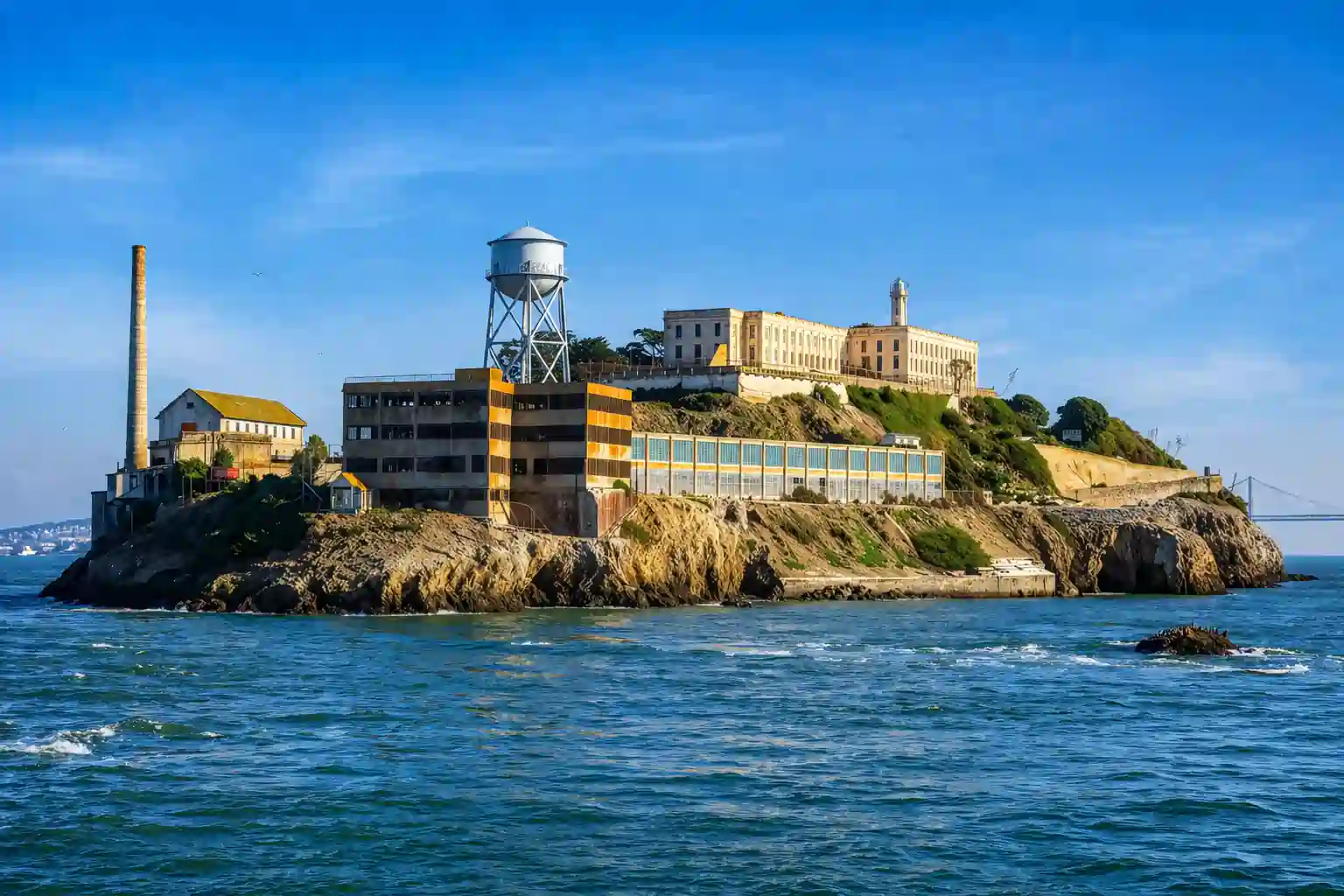
Brutal Story of James Whitey Bulger: Prisoner of Alcatraz
One of America's Most Feared Crime Bosses
James "Whitey" Bulger is one of the most notorious criminals in American history. His name became synonymous with violence, corruption, and a decades-long reign over Boston's criminal underworld that left a trail of bodies and compromised federal agents behind it.
Most people associate him with Boston, the Winter Hill Gang, and his 16 years as a fugitive on the FBI's most wanted list.
Far fewer know that before all of that, a younger Whitey Bulger was locked in a cell on an island in San Francisco Bay.
Bulger was held at Alcatraz Federal Penitentiary from 1959 to 1962. That chapter of his life is one of the least discussed parts of his story, and it reveals a dimension of both the man and the prison that most accounts overlook entirely.
Was Whitey Bulger at Alcatraz?
Yes. Whitey Bulger was held at Alcatraz Federal Penitentiary from 1959 to 1962.
Bulger was convicted on federal charges of hijacking and did his first stint in federal prison, landing in penitentiaries in Atlanta, Alcatraz, Leavenworth and Lewisburg. Alcatraz Tours
He was transferred out of Alcatraz in 1962, one year before the prison closed permanently, and was released from federal custody in 1965 after serving nine years total.
Who Was Whitey Bulger?
James Joseph Bulger Jr. was born on September 3, 1929, in Dorchester, Massachusetts. He grew up in a South Boston housing project and entered a life of crime early, accumulating a juvenile record before his teenage years were finished.
His criminal career escalated quickly into armed robbery and hijacking, which eventually brought federal charges and his first serious prison sentences in the 1950s. The man who would later become one of the most feared organized crime figures in the United States arrived at Alcatraz as a young federal inmate with a serious record but not yet the full architecture of violence and corruption he would later construct.
Bulger would go on to lead the Winter Hill Gang, Boston's dominant Irish-American organized crime organization, and would become an FBI informant whose relationship with his corrupt handler, Agent John Connolly, allowed him to operate with impunity for decades. He was placed on the FBI's Ten Most Wanted list in 1999 and remained a fugitive for 16 years before his arrest in Santa Monica, California in 2011.
His Early Prison Time and the Road to Alcatraz
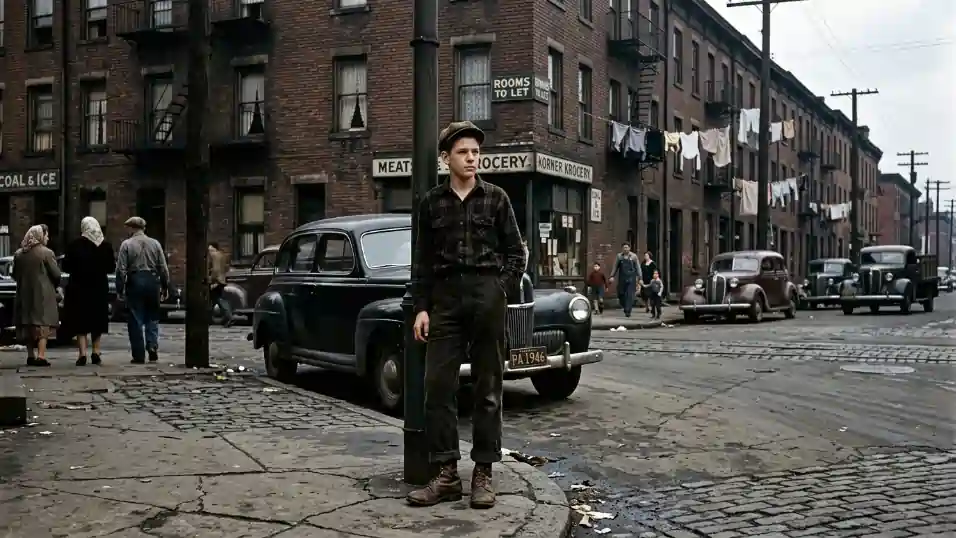
Bulger's first federal conviction came in 1956. The charges related to bank robbery and hijacking, serious federal offenses that carried significant sentences and placed him in the federal prison system at a time when Alcatraz was still fully operational.Bulger was transferred from Atlanta to Alcatraz Federal Penitentiary in 1959.
He arrived on the island as inmate number 1428-AZ, a relatively young man in his late twenties serving time in the same cellhouse that had held Al Capone, Machine Gun Kelly, and dozens of other figures whose criminal reputations far exceeded his own at that point in his life.
The transfer to Alcatraz was not routine. The federal system reserved the island for inmates considered difficult, dangerous, or likely to cause problems in standard facilities. Bulger's assignment to Alcatraz reflected an early assessment of his character that would prove accurate in the decades that followed.
Bulger at Alcatraz: Life on The Rock
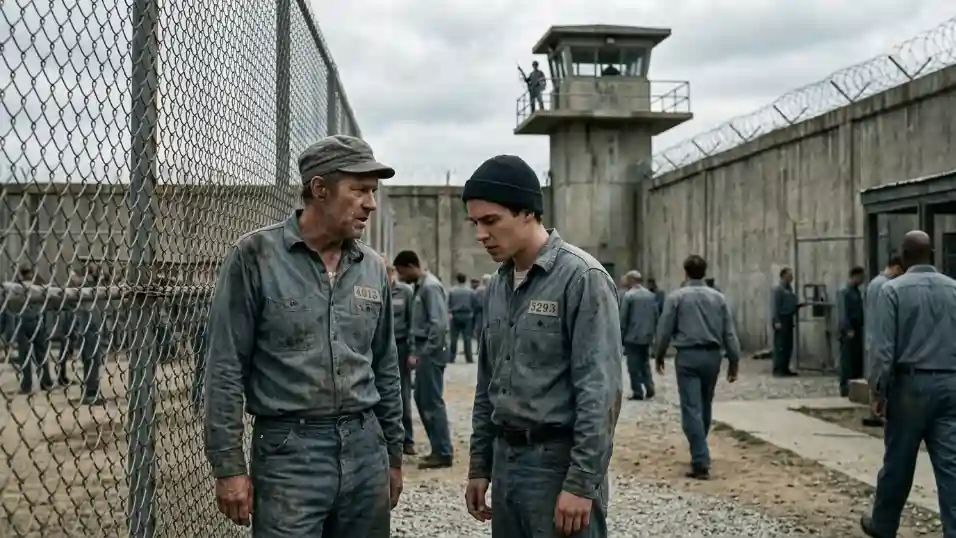
The Alcatraz that Bulger entered in 1959 was in its final years of operation. The infrastructure was aging, the costs were mounting, and the Bureau of Prisons was already beginning to question whether the island facility could be justified financially.
None of that changed the daily reality for inmates. The cells still measured five feet by nine feet. The rules were still strict. The bay still surrounded the island with cold water and strong currents.
At Alcatraz, Bulger became a close friend of Clarence Carnes, the young inmate who had participated in the 1946 Battle of Alcatraz and survived where his co-conspirators had not. The friendship between Bulger and Carnes is one of the small documented details that connects two of the most interesting figures in the prison's history.
Bulger also volunteered for a controversial government program during his federal prison years. While incarcerated, Bulger participated in CIA-funded MKUltra experiments, in which he and other inmates were given LSD in exchange for reduced sentences. He later described the experience as deeply disturbing, reporting hallucinations and long-lasting psychological effects.
The MKUltra experiments were part of a covert CIA research program testing the effects of psychedelic substances on human subjects without their full informed consent. Bulger's participation illustrates a dimension of his federal prison years that sits far outside the standard narrative of his criminal biography.
In 1962 he was transferred to Leavenworth Federal Penitentiary, leaving Alcatraz one year before it closed permanently in 1963.
What Alcatraz Did and Did Not Do to Bulger
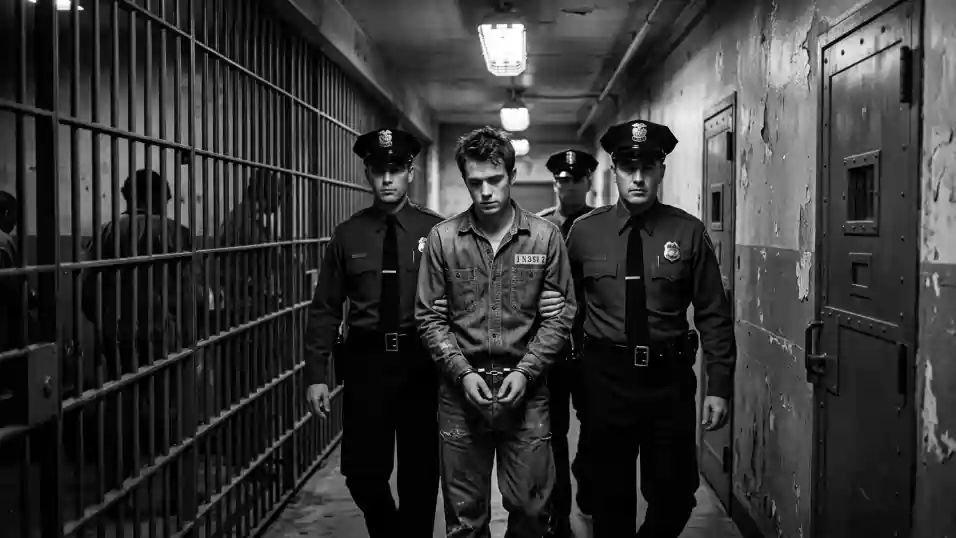
The years Bulger spent in the federal prison system, including his time at Alcatraz, did not produce the transformation that incarceration theoretically aims for. He was released from federal custody in 1965 and returned to South Boston, where he rebuilt his criminal operation with a methodical patience that echoed the discipline he had demonstrated inside.
The Alcatraz years gave Bulger something that prison administrators had not intended to provide. Time. Time to think, to plan, to develop the strategic patience that would define his criminal career.
Whether Alcatraz made Bulger more dangerous or simply held him for three years before his real career began is a question that has no clean answer. What is documented is that the man who left the island in 1962 returned to Boston and spent the next three decades building one of the most sophisticated and brutal criminal organizations in American history.
His Later Crimes: Building the Winter Hill Gang
After his release from federal custody in 1965, Bulger returned to South Boston and began rebuilding. He was methodical, patient, and far more sophisticated than the young hijacker who had entered the federal prison system a decade earlier.
By the 1970s, he had positioned himself as the dominant figure in South Boston's criminal landscape. The Winter Hill Gang, under his leadership, controlled loan sharking, bookmaking, and drug distribution across a significant portion of the city. Violence was not incidental to his operation. It was the foundation it was built on.
Bulger was responsible for at least 11 murders, though prosecutors argued the number was significantly higher. His method was personal and deliberate. He did not delegate violence. He participated in it directly.
What made Bulger uniquely dangerous was not just the violence. It was the protection. From the late 1970s onward, he operated as an FBI informant, providing information on rival organized crime figures in exchange for protection from prosecution. His handler, Agent John Connolly, tipped him off to investigations, identified informants who were subsequently killed, and allowed Bulger's operation to function with a level of impunity that no amount of criminal sophistication alone could have provided.
The Fugitive Years: 16 Years on the Run
In December 1994, Bulger was tipped off by Connolly that a federal indictment was imminent. He disappeared from South Boston with his longtime girlfriend Catherine Greig and began one of the longest and most successful fugitive runs in FBI history.
Bulger was placed on the FBI's Ten Most Wanted list in 1999, replacing Osama bin Laden at one point as the list's most prominent name. The Bureau offered a substantial reward for information leading to his capture, and his face appeared on billboards and television programs across the country.
For 16 years, he and Greig lived quietly in Santa Monica, California, under assumed names in a rent-controlled apartment. They were not living extravagantly. They were living carefully, avoiding attention, and succeeding completely at disappearing.
The arrest came not through investigative brilliance but through a public tip. After the FBI released information specifically targeting Greig's habits and appearance, a neighbor recognized her and called the tip line.
Bulger was arrested on June 22, 2011, in Santa Monica, California, at the age of 81. Law enforcement found weapons and over 800,000 dollars in cash hidden in the walls of his apartment.
Trial, Conviction, and Final Years
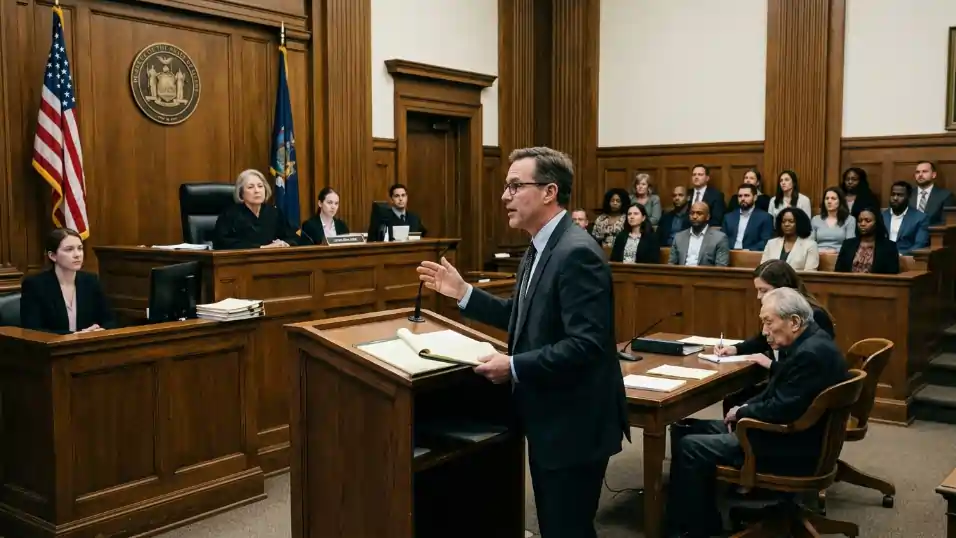
Bulger's trial began in 2013 and became one of the most closely watched federal criminal proceedings in recent American history. The charges covered decades of criminal activity including racketeering, extortion, money laundering, and murder.
He was convicted in August 2013 on 31 of 32 counts, including involvement in 11 murders. The verdict was delivered to a courtroom packed with family members of his victims, many of whom had waited decades for accountability.
He was sentenced to two consecutive life terms plus five years. The sentence was not designed to be served. It was designed to be a statement.
Bulger was transferred between several federal facilities following his conviction. His age, notoriety, and the nature of his crimes made him a complicated inmate to manage within the federal system.
On October 30, 2018, Bulger was found dead at USP Hazelton in West Virginia, just hours after being transferred to the facility. He was 89 years old.
He had been beaten to death. His eyes had been gouged, in what investigators believed was a message referencing his history as an informant. The killing was swift and deliberate, and it brought one of the most violent criminal careers in American history to an end in the most violent way possible.
Why the Alcatraz Connection Is Overlooked
Bulger's time at Alcatraz is consistently absent from mainstream accounts of his life for several reasons.
His Alcatraz years predated his rise to prominence. When he arrived on the island in 1959, he was a relatively obscure federal inmate serving time for hijacking. The criminal career that would make him famous had not yet begun.
The Alcatraz narrative in popular culture is dominated by specific famous inmates and specific dramatic events. Capone, Morris, the Anglin brothers, and the 1946 Battle of Alcatraz occupy most of the available space in the public memory of the prison. A young Whitey Bulger serving three unremarkable years in the late 1950s does not fit the dramatic template that most Alcatraz storytelling follows.
His own accounts of the prison years focused more on the MKUltra experiments than on the island itself. The LSD testing became the most discussed element of his federal prison years in interviews and later coverage, drawing attention away from the specific facilities where it occurred.
The result is a genuine gap in both the Bulger biography and the Alcatraz history. Two of the most documented subjects in American criminal history share a three-year overlap that almost nobody talks about.
Timeline: Whitey Bulger and Alcatraz
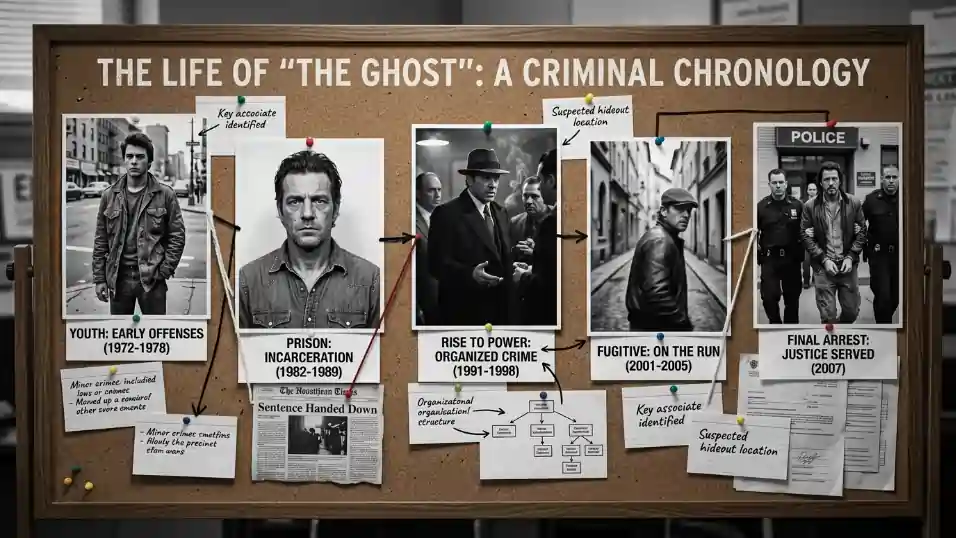
1929 — James Joseph Bulger Jr. born on September 3 in Dorchester, Massachusetts.
1950s — Early criminal record accumulates. Bulger enters the federal prison system following conviction on hijacking and bank robbery charges.
1956 — Federal conviction for bank robbery and hijacking. Sentenced to federal prison.
1959 — Transferred from Atlanta Federal Penitentiary to Alcatraz. Arrives as inmate 1428-AZ.
1959 to 1962 — Serves time at Alcatraz. Befriends Clarence Carnes. Participates in MKUltra LSD experiments during his federal prison years.
1962 — Transferred from Alcatraz to Leavenworth Federal Penitentiary.
1963 — Alcatraz closes permanently. Bulger continues serving his sentence at other federal facilities.
1965 — Released from federal custody. Returns to South Boston.
1970s — Rises to lead the Winter Hill Gang. Becomes dominant figure in South Boston organized crime.
Late 1970s — Begins operating as FBI informant. Relationship with Agent John Connolly provides protection from prosecution.
1994 — Tipped off about federal indictment. Disappears from South Boston with Catherine Greig.
1999 — Placed on FBI's Ten Most Wanted list.
2011 — Arrested in Santa Monica, California on June 22. Over 800,000 dollars in cash found in his apartment.
2013 — Convicted on 31 of 32 counts including involvement in 11 murders. Sentenced to two consecutive life terms.
2018 — Found dead at USP Hazelton, West Virginia on October 30. Beaten to death hours after transfer. He was 89 years old.
Did You Know? Facts About Whitey Bulger
Bulger formed a close friendship with Clarence Carnes, who had survived the Battle of Alcatraz before Bulger arrived in 1959.
He participated in MKUltra, a secret CIA experiment involving LSD and other substances on human subjects.
Bulger later described the MKUltra experience as one of the most psychologically damaging periods of his life.
His FBI handler John Connolly was convicted of racketeering and murder and died in prison in 2022.
He was captured in 2011 after the FBI focused on Catherine Greig, leading to a public tip that resulted in his arrest.
$800,000 was found hidden in the walls of his Santa Monica apartment, though much of his wealth was never recovered.
The Truth Behind the Story
Whitey Bulger spent three years on Alcatraz Federal Penitentiary before his name was known beyond South Boston. He left in 1962, just a year before the prison closed, and later built the criminal network that made him one of the most wanted men in the United States.
His time on the island is only a small part of a much larger story, but it matters. It places him alongside figures like Al Capone and Frank Morris, sharing the same cellhouse and routines. For those years, Bulger was just another inmate.
What followed was far more complex.
Visitors today can explore these spaces during a day tour, where the prison’s structure and daily life become clear. Those looking for a deeper, less crowded perspective often choose a behind the scene experience, which opens access to areas not typically seen.
For a completely different atmosphere, a night tour reveals the prison in a more intense and immersive way.
Bulger’s time on Alcatraz shows that its real history goes far beyond the most familiar stories.
Book your visit, do the research, and arrive ready to look beyond the famous names. The most interesting stories at Alcatraz are often the ones that take the most effort to find.
Frequently Asked Questions
Was Whitey Bulger at Alcatraz? ▾
Why was Whitey Bulger sent to Alcatraz? ▾
How long did Whitey Bulger spend at Alcatraz? ▾
Did Whitey Bulger know other famous Alcatraz inmates?▾
What were the MKUltra experiments Bulger participated in? ▾
What was Whitey Bulger convicted of? ▾
Why is Bulger's time at Alcatraz not widely known? ▾
Can you visit Alcatraz and learn about Whitey Bulger? ▾
How does Bulger's Alcatraz time connect to his later criminal career? ▾
Is there a film about Whitey Bulger? ▾
Adrian Davis
Published on Alcatraz Tickets